

 On January 13, 2026, the Middle School successfully concluded the Community Action Project final assessment for Grade 8 students, marking the end of a semester of inquiry and engagement.
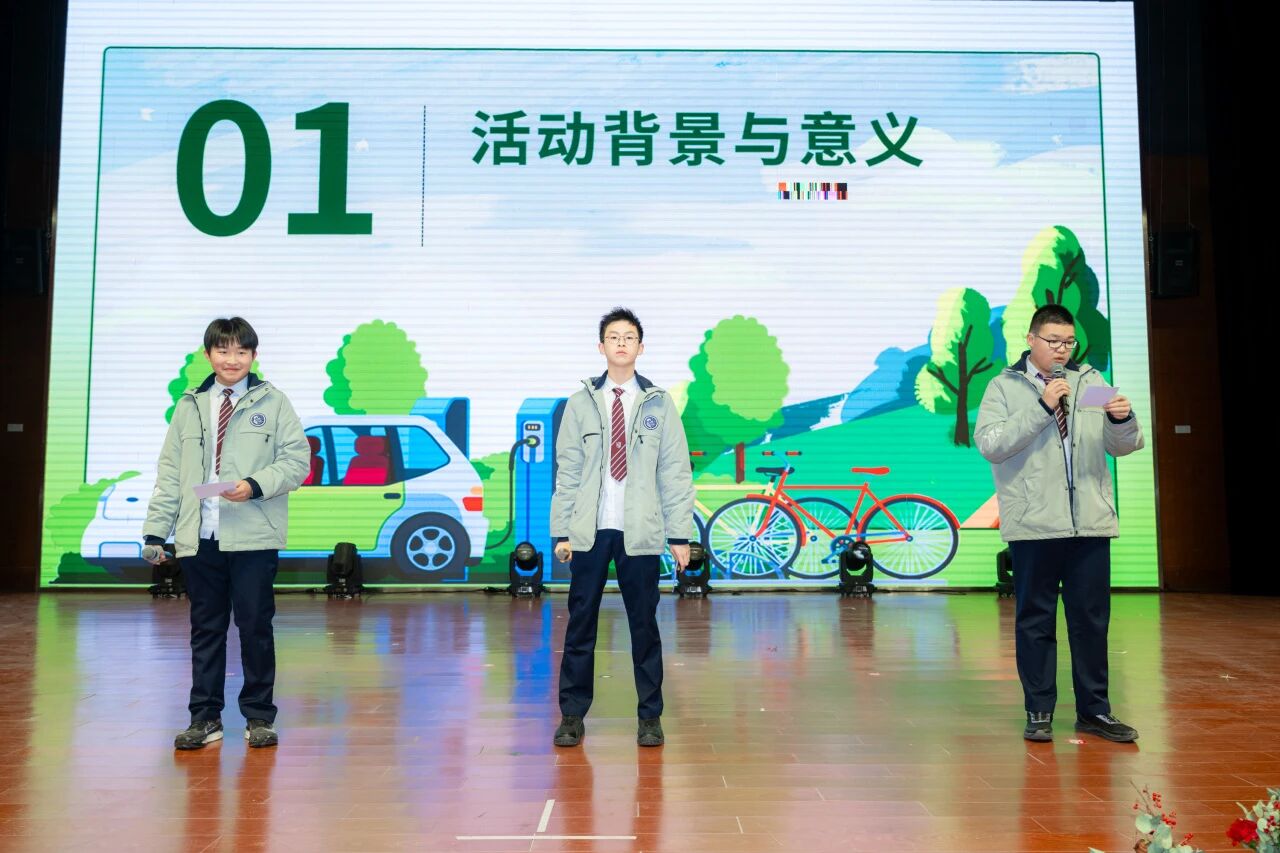
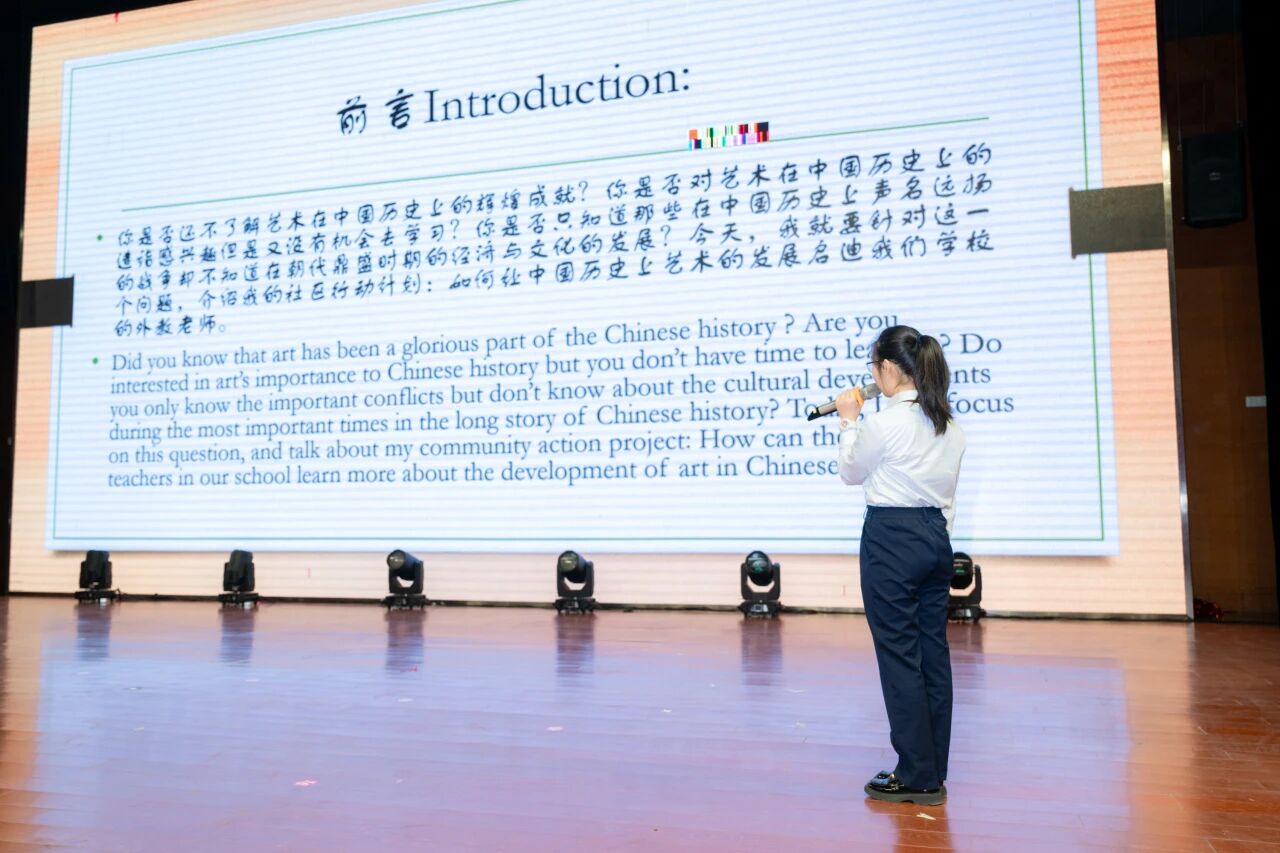
 At the beginning of the semester, students focused on global issues while addressing real needs in their own community, forming 38 project teams. Throughout the project cycle, they conducted research, planned and implemented actions, and applied creative thinking to solve local problems—fully embodying the school’s educational philosophy of “integrating knowledge with practice.”
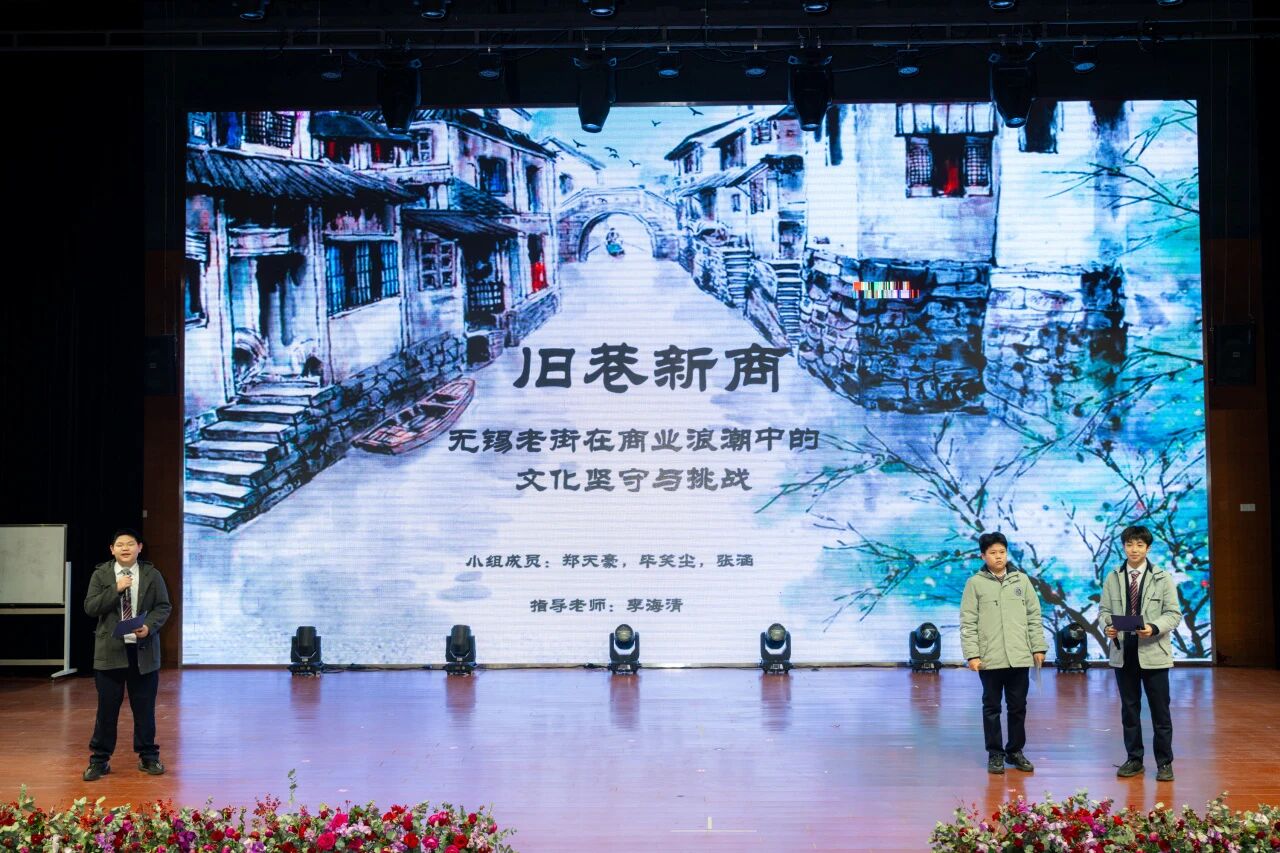
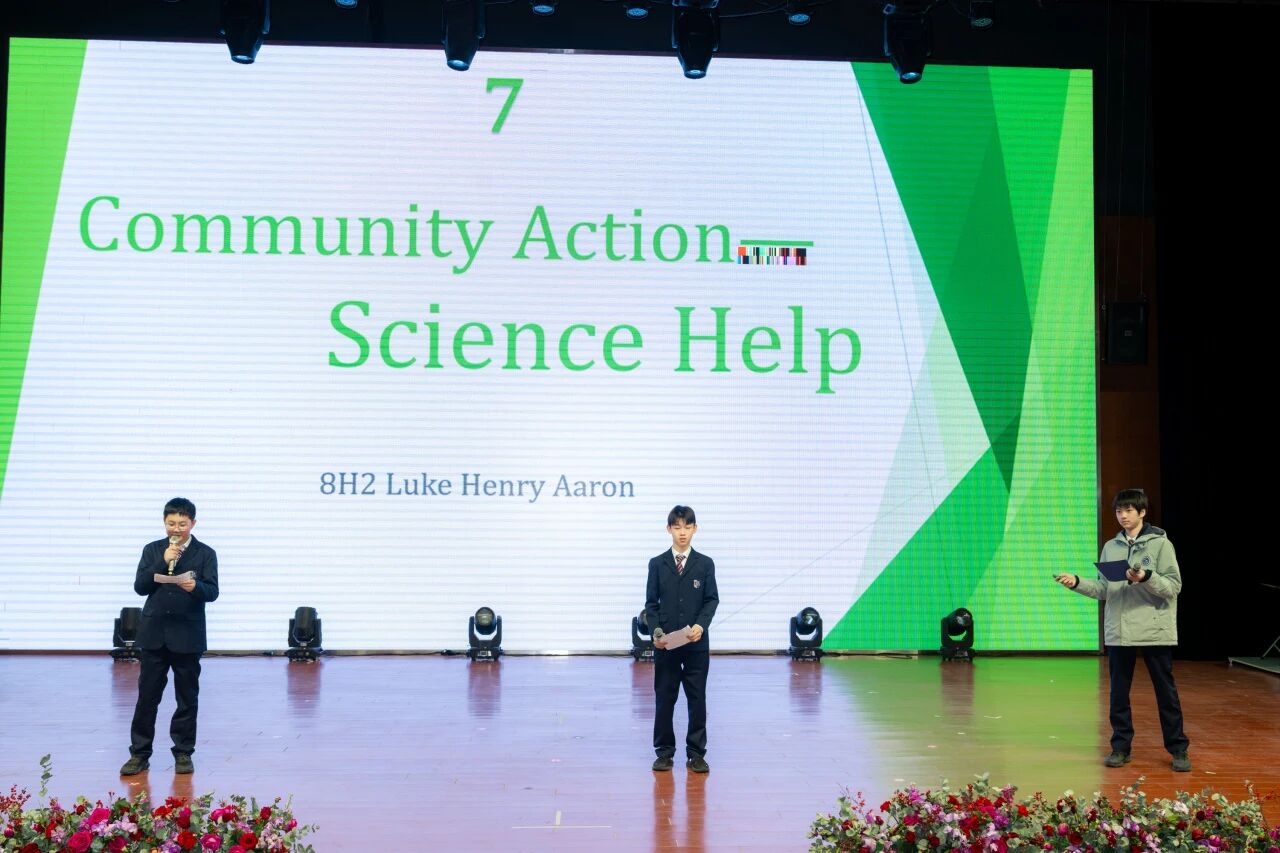
 During the final presentations, students showcased their outcomes through posters, speeches, short plays, model displays, and other creative formats, with each student delivering an impressive contribution.


During the practical process, students focused on both internal campus improvements and broader community engagement.
On campus, some groups dedicated efforts to optimizing public facilities, undertaking physical renovations and repairs to spaces such as the gymnasium and fitness center. Other groups paid attention to the needs of special populations, putting forward practical suggestions to enhance the school’s accessibility features. Additionally, several initiatives aimed at addressing daily student needs were launched, including a “Shared Umbrella” program, an “Emergency Supply Station,” a “Subject Question Box,” and a “Science Tutoring Corner,” infusing campus life with greater warmth and convenience.

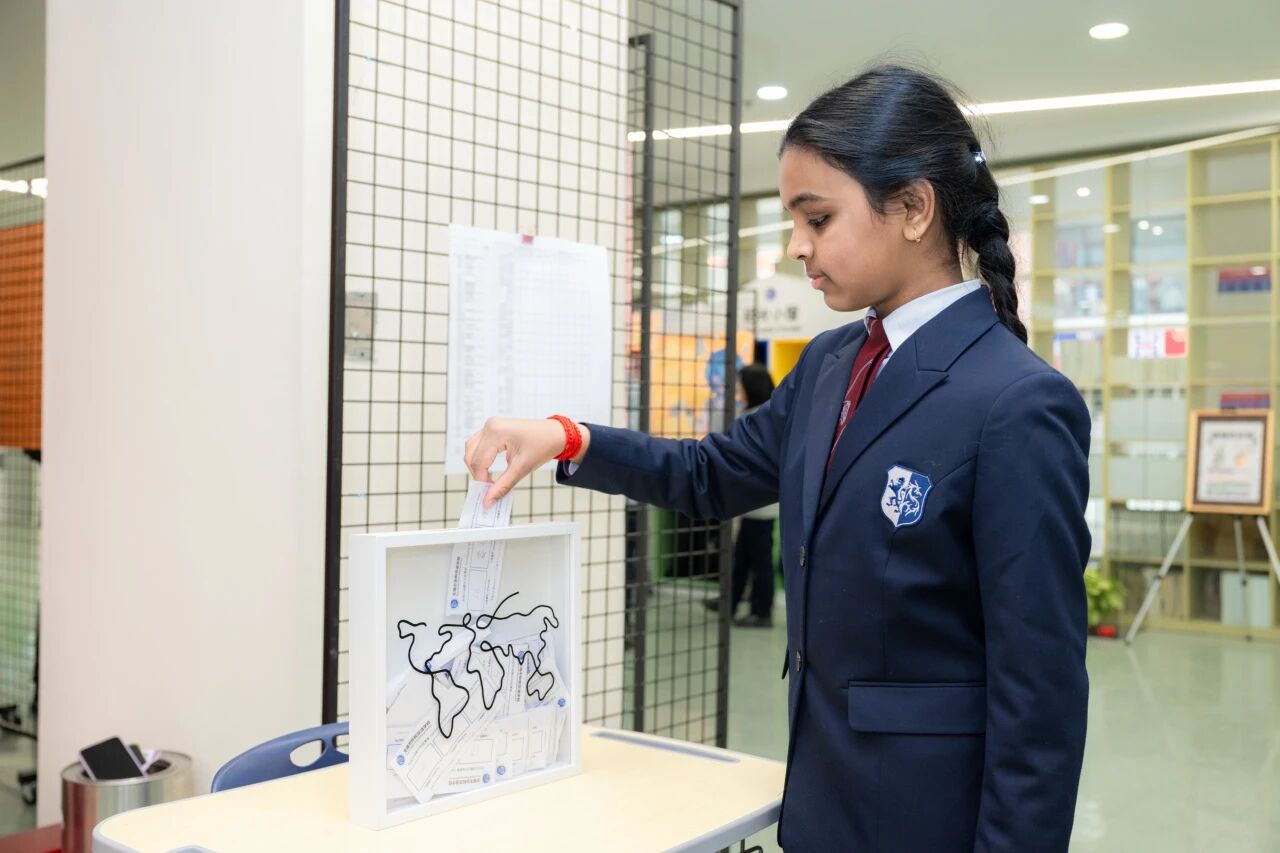 Beyond the school gates, several groups extended their focus to community life and urban development. For instance, one team revitalized a community table tennis room, creating a more welcoming recreational space for residents. Another group turned their research lens toward the balance between cultural preservation and commercial development in Wuxi, conducting a comparative study of Nanchang Street and Nanfangquan Old Street. Through fieldwork and documentary analysis, they produced high-quality video reports that not only demonstrated the social awareness of United World College students but also conveyed their sense of responsibility and enthusiasm to the wider community.
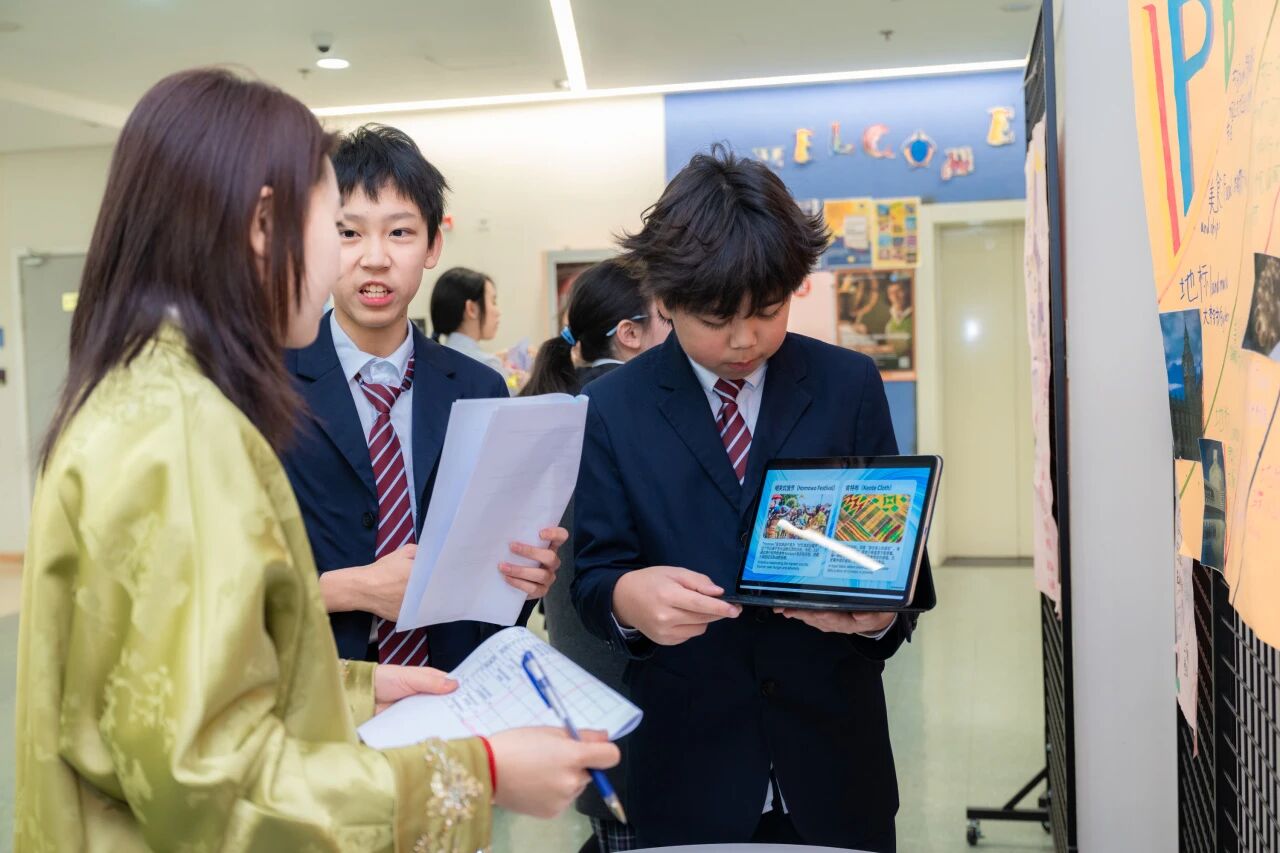

 The successful implementation of this course was made possible by the dedicated guidance and professional support of our supervising teachers. Based on the thematic directions of each group, a total of 20 subject teachers were actively involved, providing interdisciplinary expertise and mentorship. Throughout their projects, students demonstrated a strong spirit of inquiry, skillfully utilizing technologies such as 3D printing, AI programming, and mini-program development. Under teacher supervision, they also conducted rigorous empirical research, including microbiology and psychology experiments, ensuring that the entire inquiry process adhered to scientific methodology and academic standards.
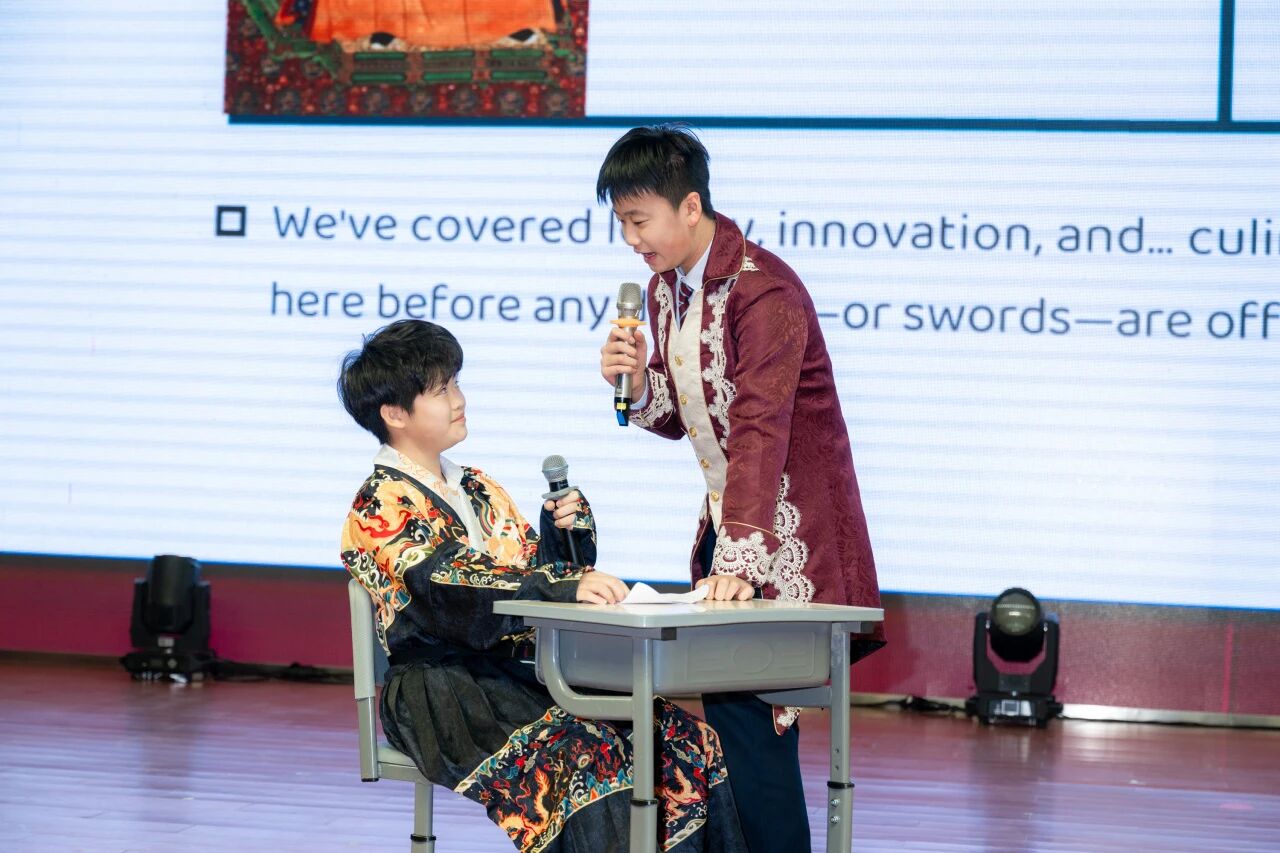
 This initiative not only strengthened students’ practical skills and teamwork but also brought learning to life through real-world exploration. It enhanced students’ core competencies through interdisciplinary project-based learning and nurtured their sense of civic responsibility. Concordia Middle School will continue to deepen such programs, implementing the guiding principles of the IB framework within our integrated curriculum to cultivate future citizens with both global vision and a sense of responsibility.