

Individual thinking is a single point, while group exchange forms a network
—— collaborative learning weaves a broader map of understanding.
October 24th, the Wuxi United International School Teacher Reading Club convened as scheduled in the school’s first-floor lecture hall. This session focused on the book Collaborative Learning. All faculty members gathered, using the book as a medium to explore the principles of collaborative education and teaching wisdom through the exchange of ideas.
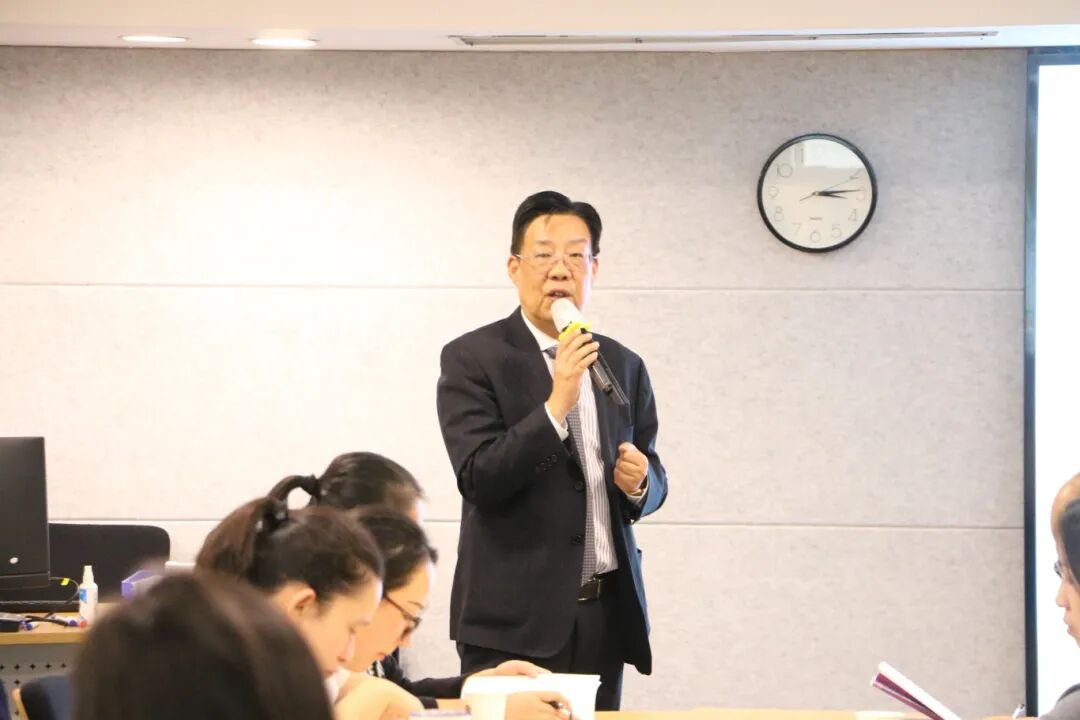 At the beginning, Principal Meng pointed out that learning theory requires “unblocking the meridians” much like practicing martial arts. It’s essential to understand the connections and oppositions between different educational theorists to avoid rigid, superficial learning. Furthermore, he emphasized the need to connect theory with classroom reality, distinguishing between superficial cooperation and genuine collaboration. This involves clarifying group roles and ensuring shared ownership of outcomes, allowing theory to truly serve classroom practice.
During the teacher sharing segment, five teachers engaged in in-depth discussions centered on the core concepts of Collaborative Learning, supported by subject-specific teaching examples.
 Teacher Zhang proposed that effective collaborative learning must adhere to three core principles: “the value of cooperation, heterogeneous grouping, and positive interdependence,” considering these the foundation for tangible results. She also shared specific methods like the RSPA strategy and collaborative classroom activities, providing clear pathways for integrating collaborative learning into daily teaching.
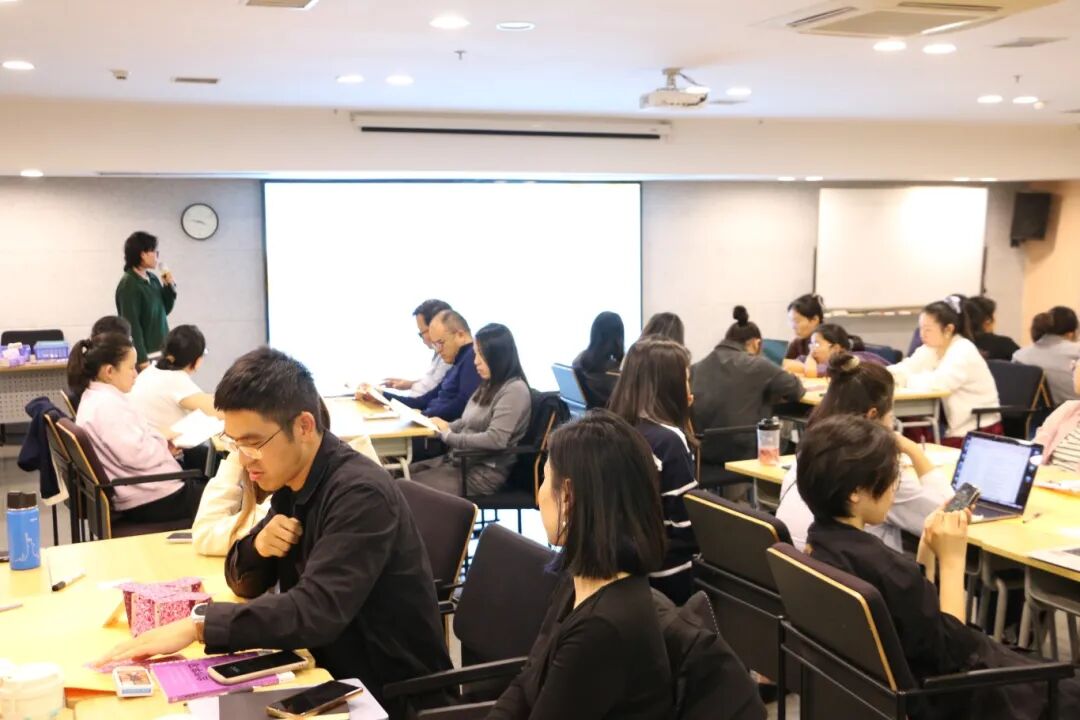 Addressing common issues in group work, Teacher Vicky offered three key solutions: “individual accountability, simultaneous interaction, and equal participation.” She supplemented these with practical techniques like writing cycles, pair review, and talk cards, helping to shift collaborative learning from being merely “perfunctory” to being “efficiently implemented.”
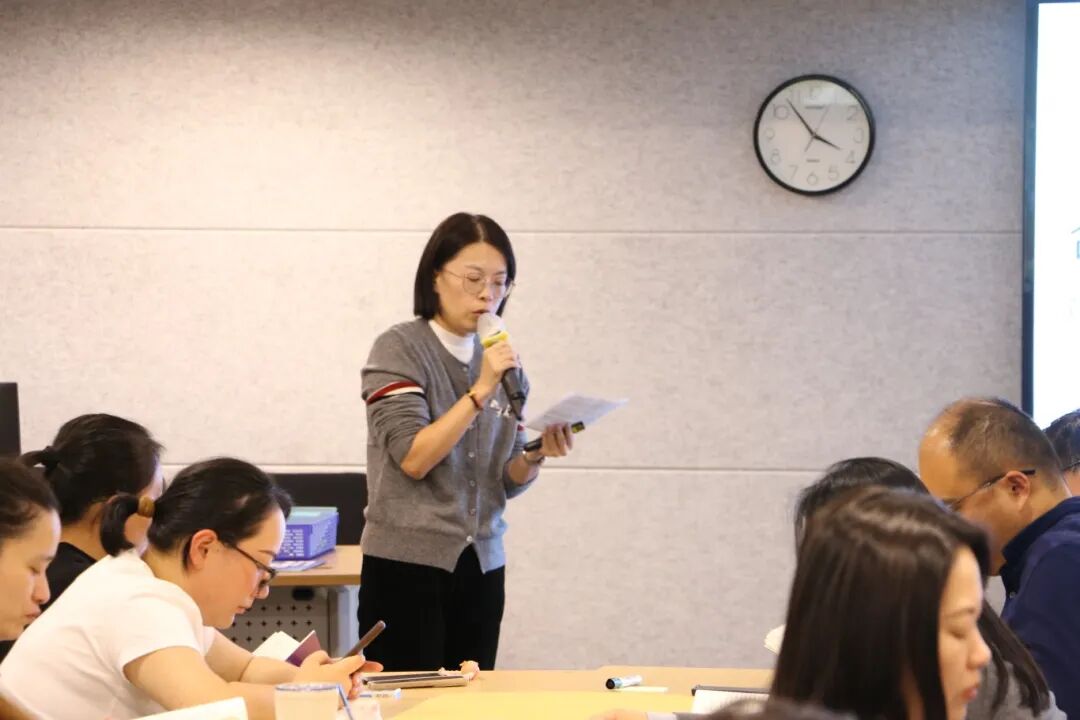 Teacher Yuki emphasized that collaborative learning requires systematic instruction and cannot be implemented sporadically. She proposed a five-stage progression path: “Skill Building, Cognitive Leap, Guided Autonomy, Scientific Assessment, Closed-Loop Integration,” designed to help students gradually enhance their collaborative abilities and achieve deeper learning.
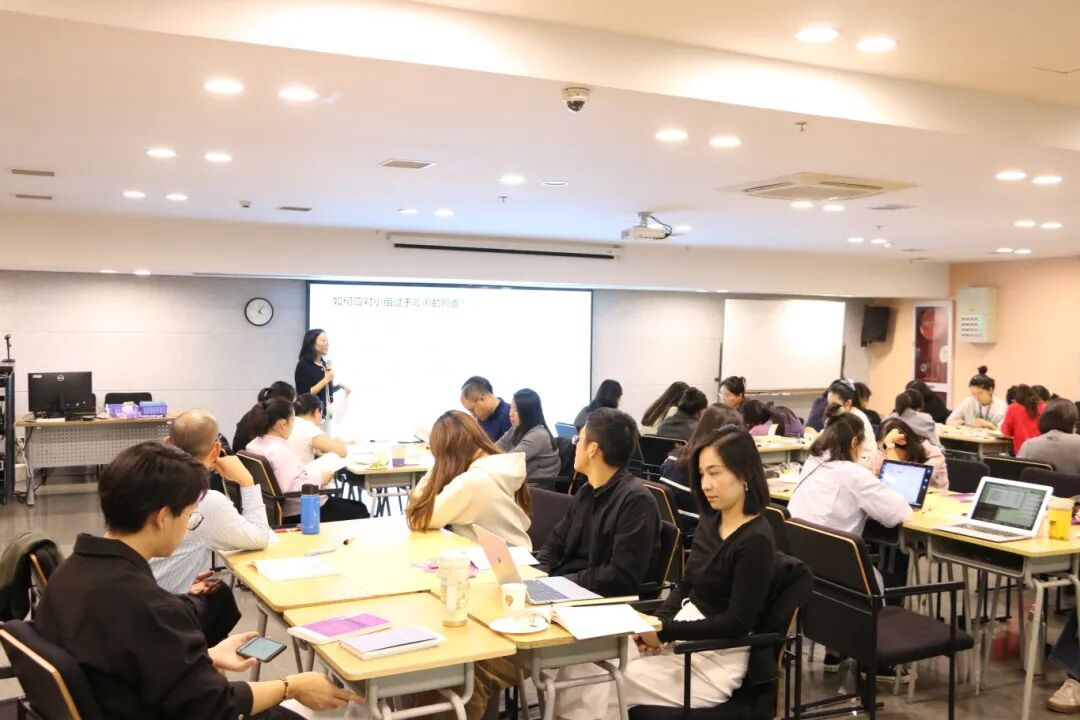 Teacher Amy shared strategies for three common classroom challenges: when groups become too noisy, she suggested setting clear standards, defining roles, and using signals; to cultivate higher-order thinking, she advised teaching methods, providing space, and asking probing questions; to avoid premature consensus, she stressed valuing differences, adjusting requirements, and demonstrating guidance.
 Focusing on the challenges of collaborative learning in lower grades, Teacher Link recommended “assigning helpers and establishing clear rules” to address issues like weak communication skills and uneven abilities among students. He also called for increased resource sharing and experience exchange among teachers to collectively refine the instructional design of collaborative learning.
Finally, teachers shared their key takeaways and reflections, expressing their renewed understanding of collaborative teaching and capturing a moment filled with shared wisdom, concluding the reading club on a high note.

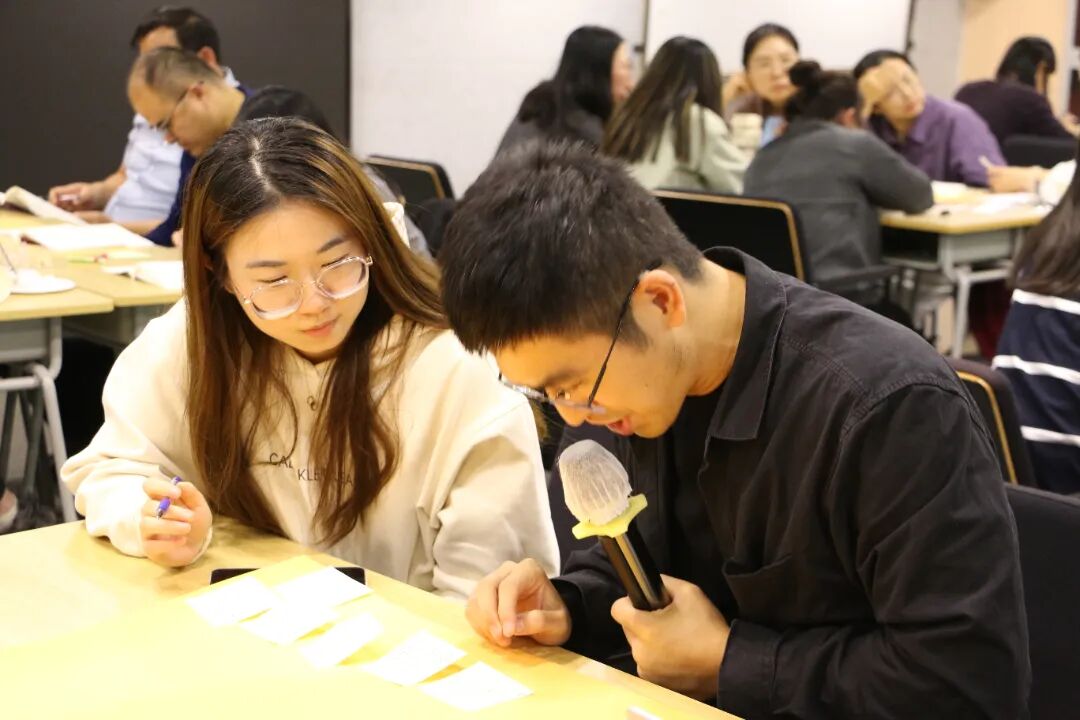
 As the sharing session concluded, the teachers’ understanding of collaborative learning was once again deepened. Just as the saying goes, “He who can employ the strength of others is invincible under heaven.” This gathering, centered around a shared text, clarified the true essence of collaboration. Moving forward, carrying this shared understanding, they will walk steadily on the path of collaborative education, striving together towards more ambitious educational goals.