

To fully leverage the professional leadership and influence of experienced teachers and build a collaborative learning platform for professional growth, Wuxi United International School successfully held a demonstration class event for Grade 7 and 8 seasoned teachers from September 22nd to 24th. The event covered five subjects: Chinese, Mathematics, English, Science, and Physical Education, where ten experienced teachers presented a variety of distinctive and engaging classes.
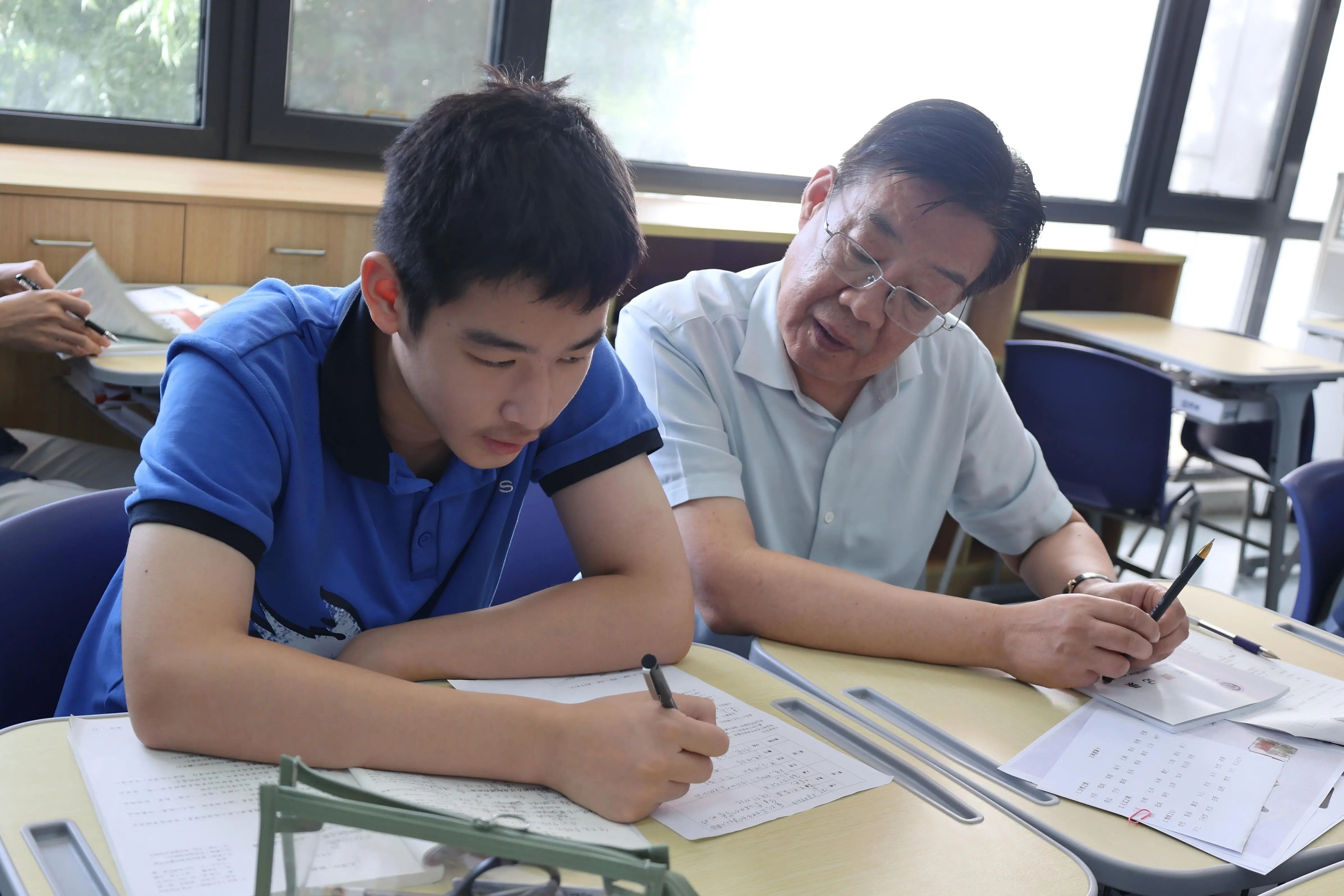
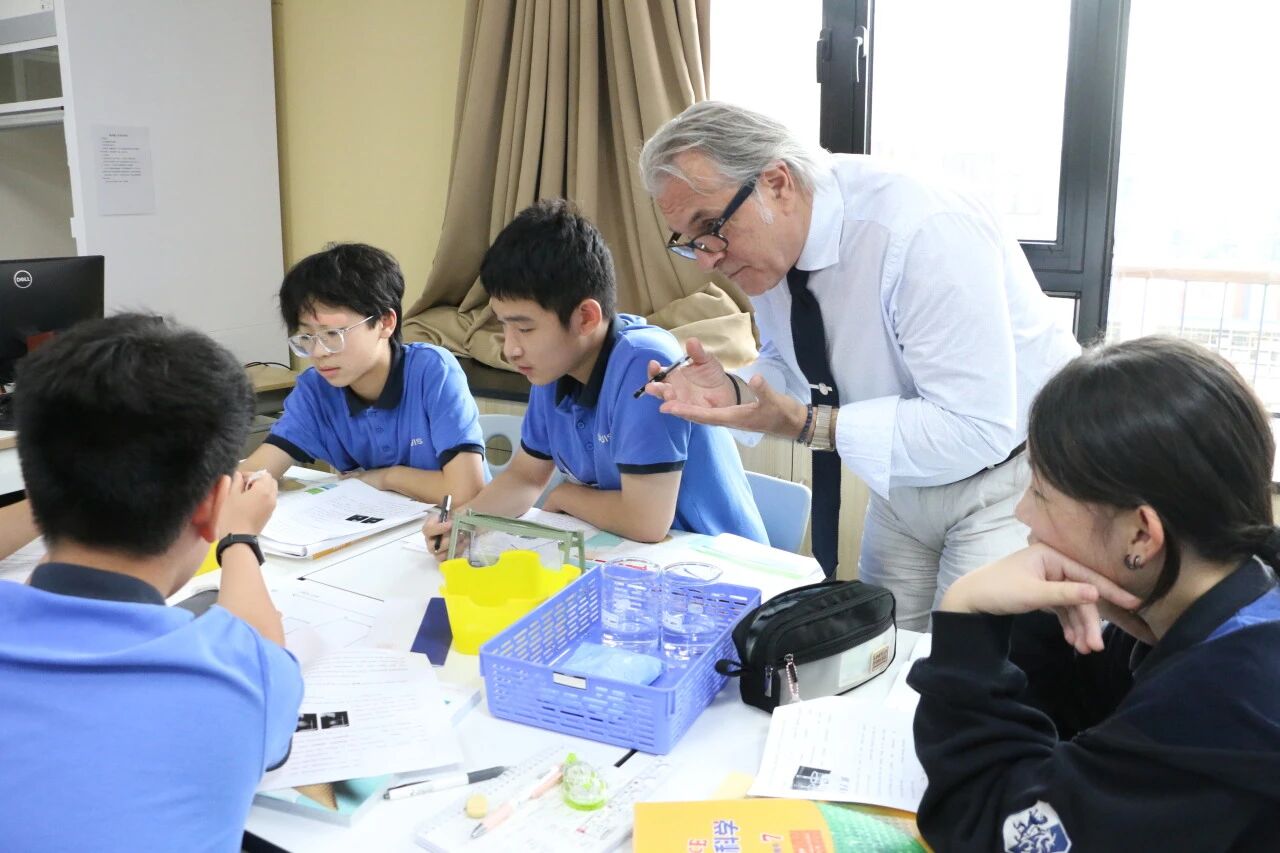
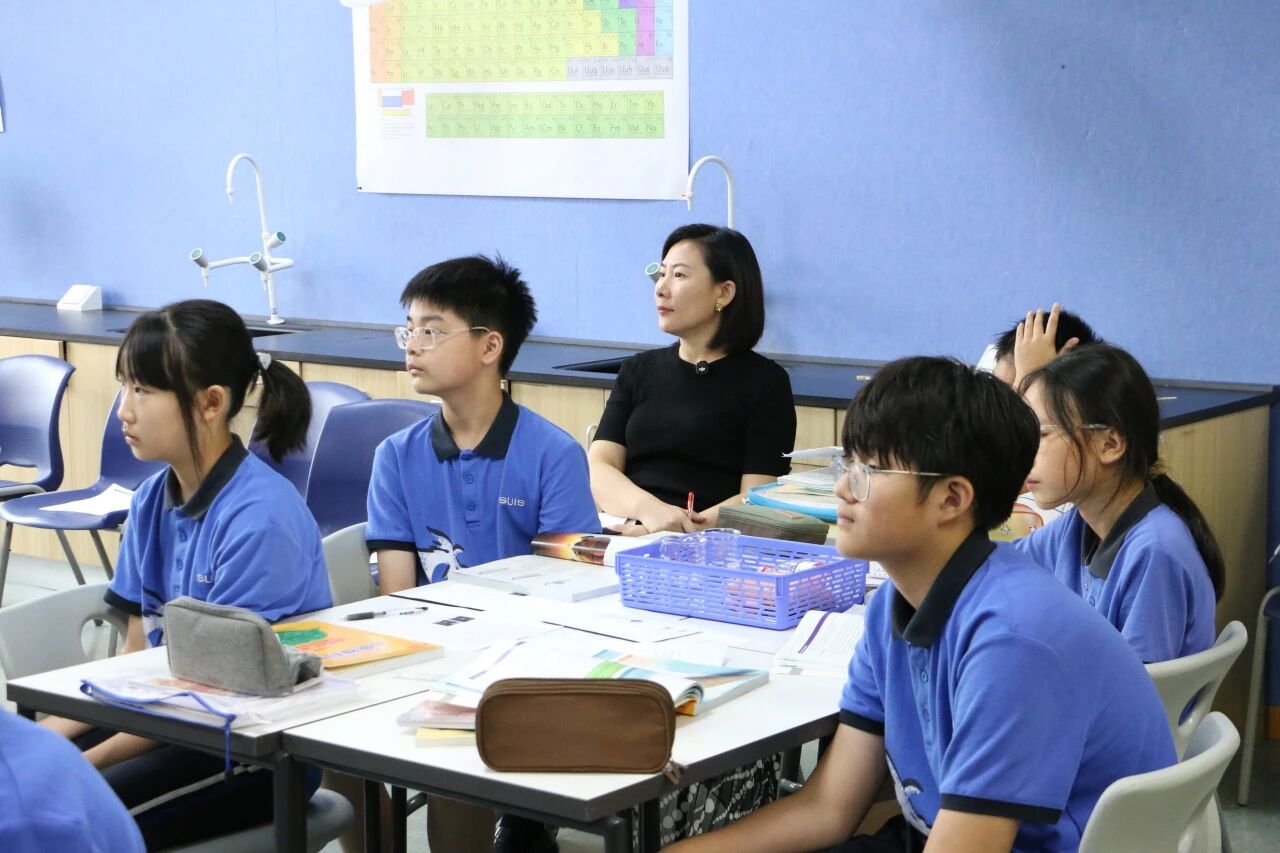
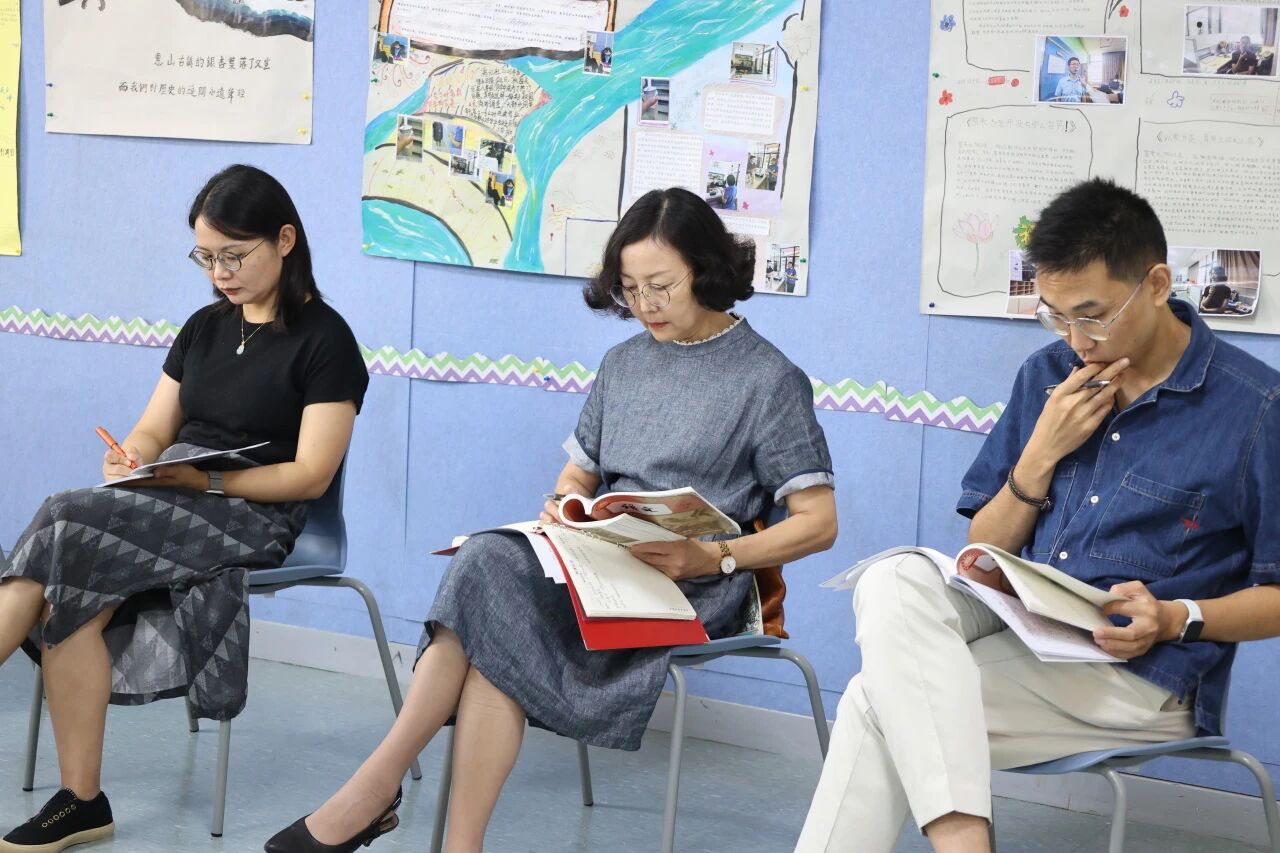
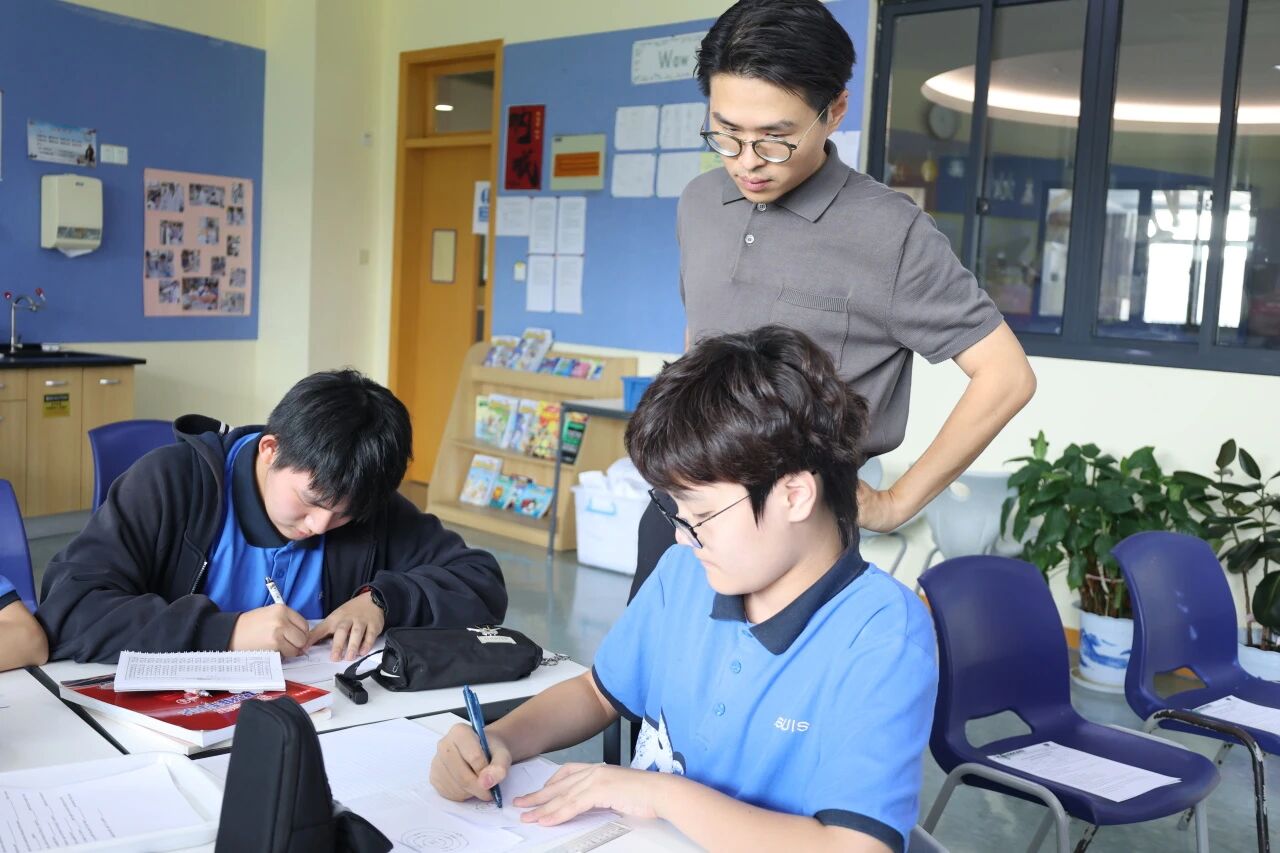 School leaders attached great importance to the event, participating in class observations and discussions, while teachers across disciplines are actively engaged. The atmosphere for teaching research was vibrant. The demonstration classes not only showcased the teachers’ solid teaching skills and unique styles but also highlighted their continuous exploration and innovation in teaching methodologies.
A standout feature of this event was the proactive integration of artificial intelligence (AI) technologies into teaching designs by several teachers.
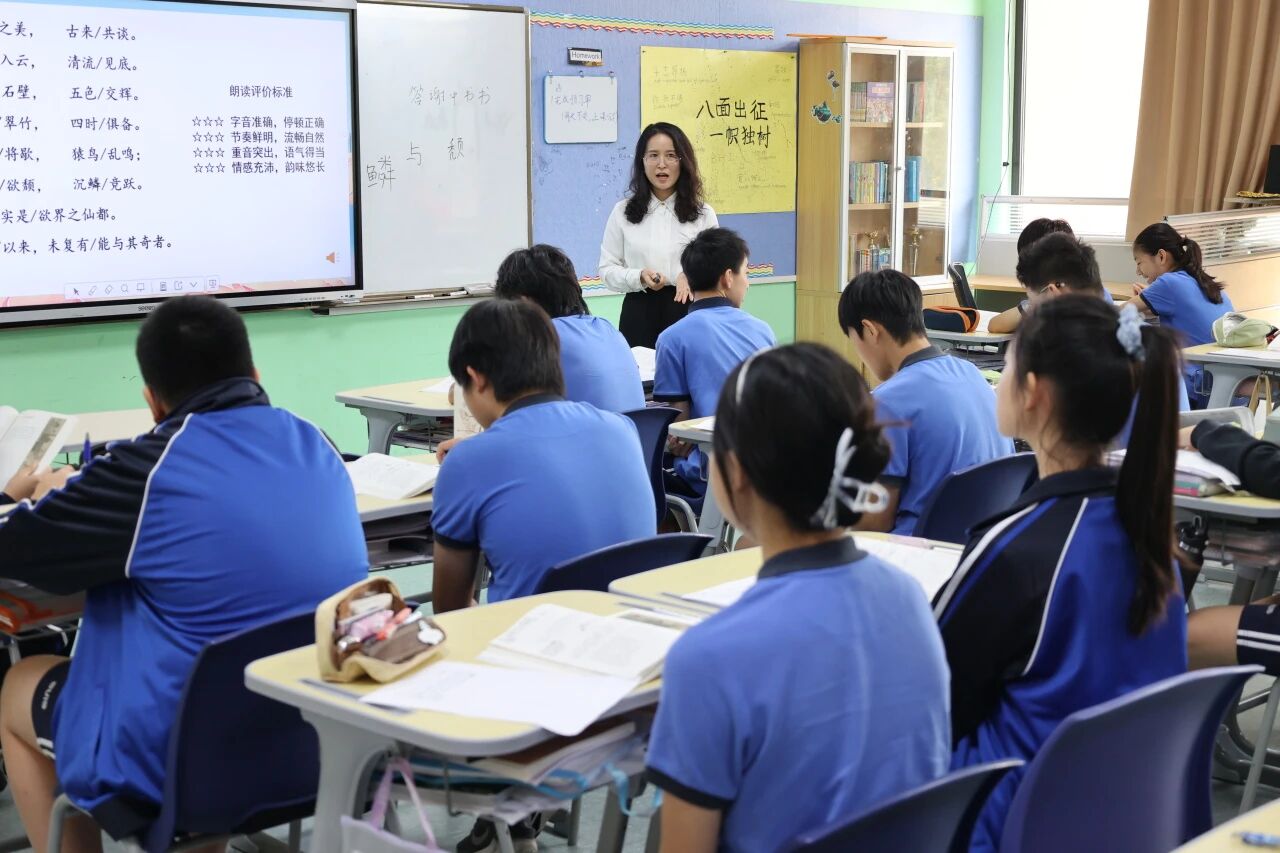
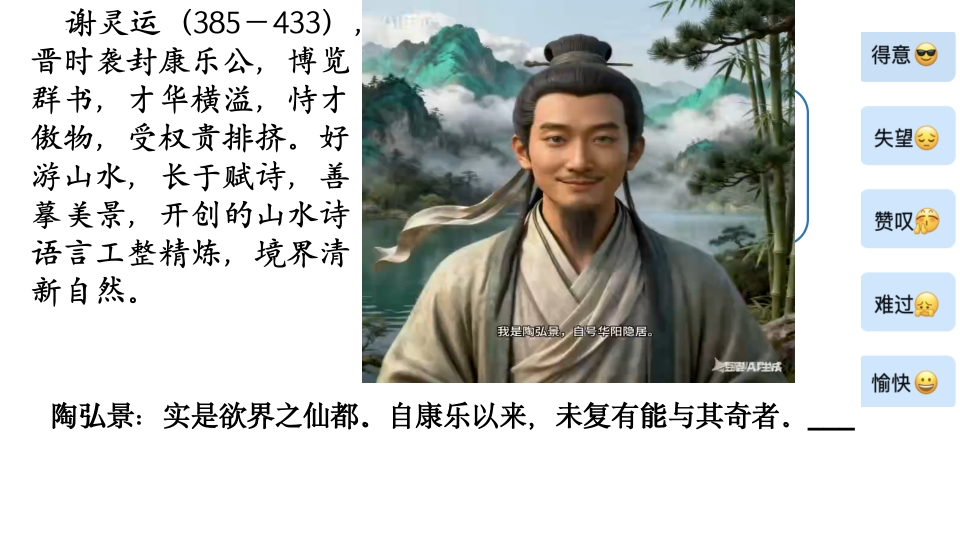
 In the Chinese class, Ms. Song used AI technology to vividly “revive” the poet Tao Hongjing, guiding students to transcend time and immerse themselves in the landscape imagery and literary sentiment of Reply to Secretary Xie, which greatly stimulated students’ learning interest.
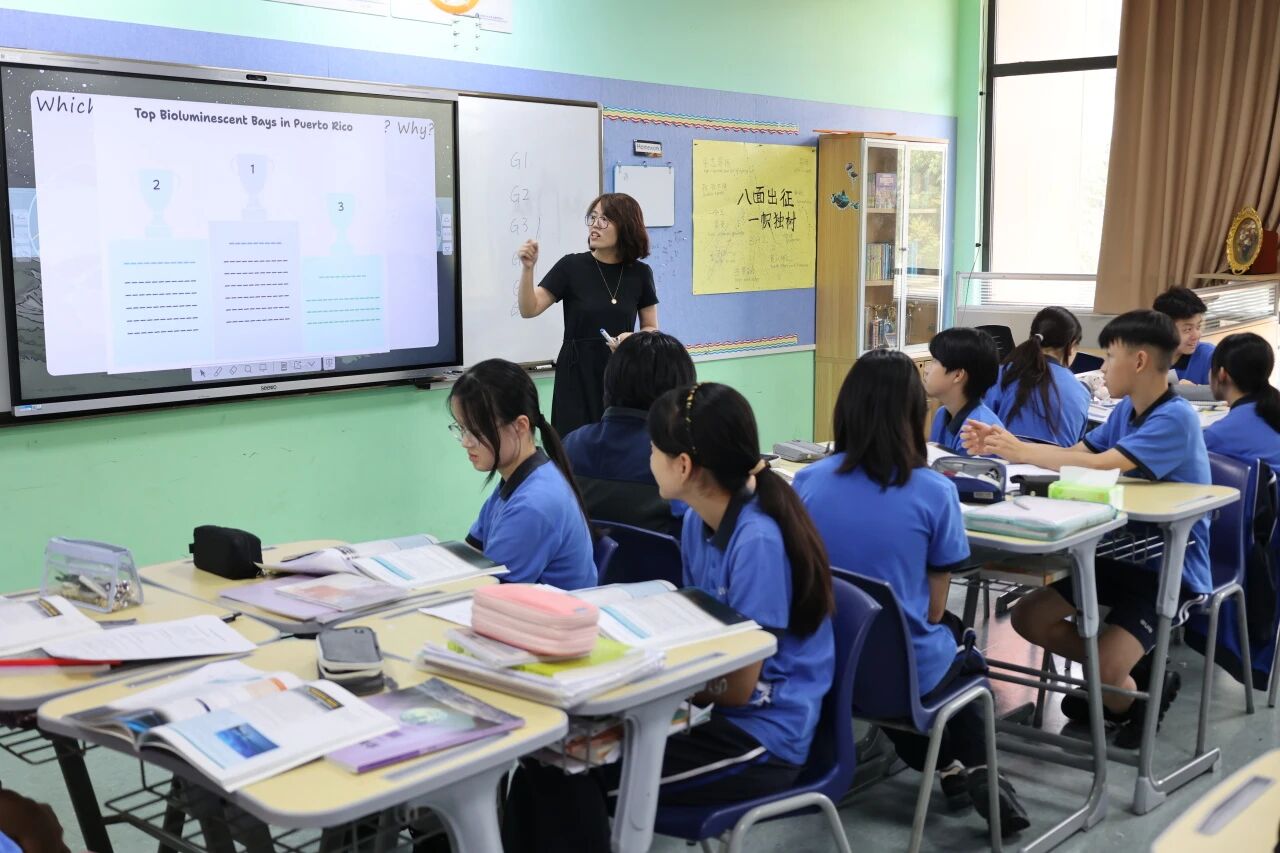
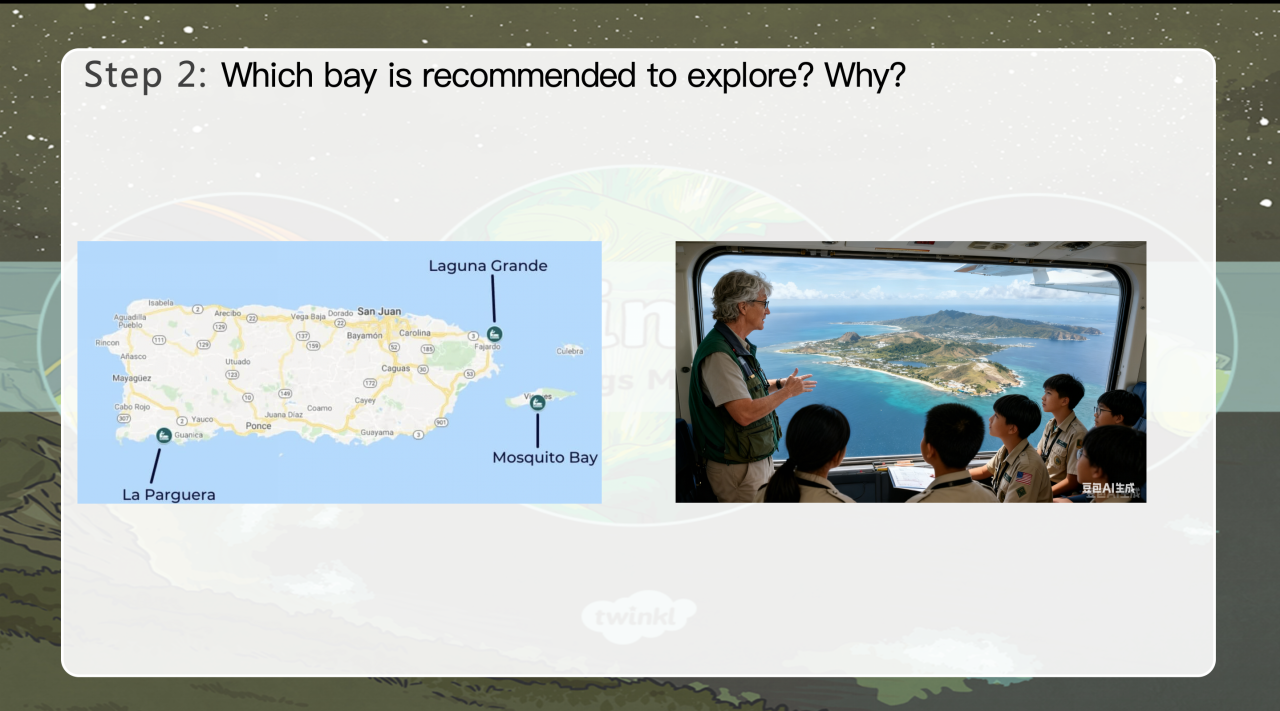
 In the English class, Ms. Li utilized AI to create a scientific inquiry scenario, where a “virtual expert” led students to explore the phenomenon of bioluminescence, achieving an organic integration of language learning and interdisciplinary thinking.
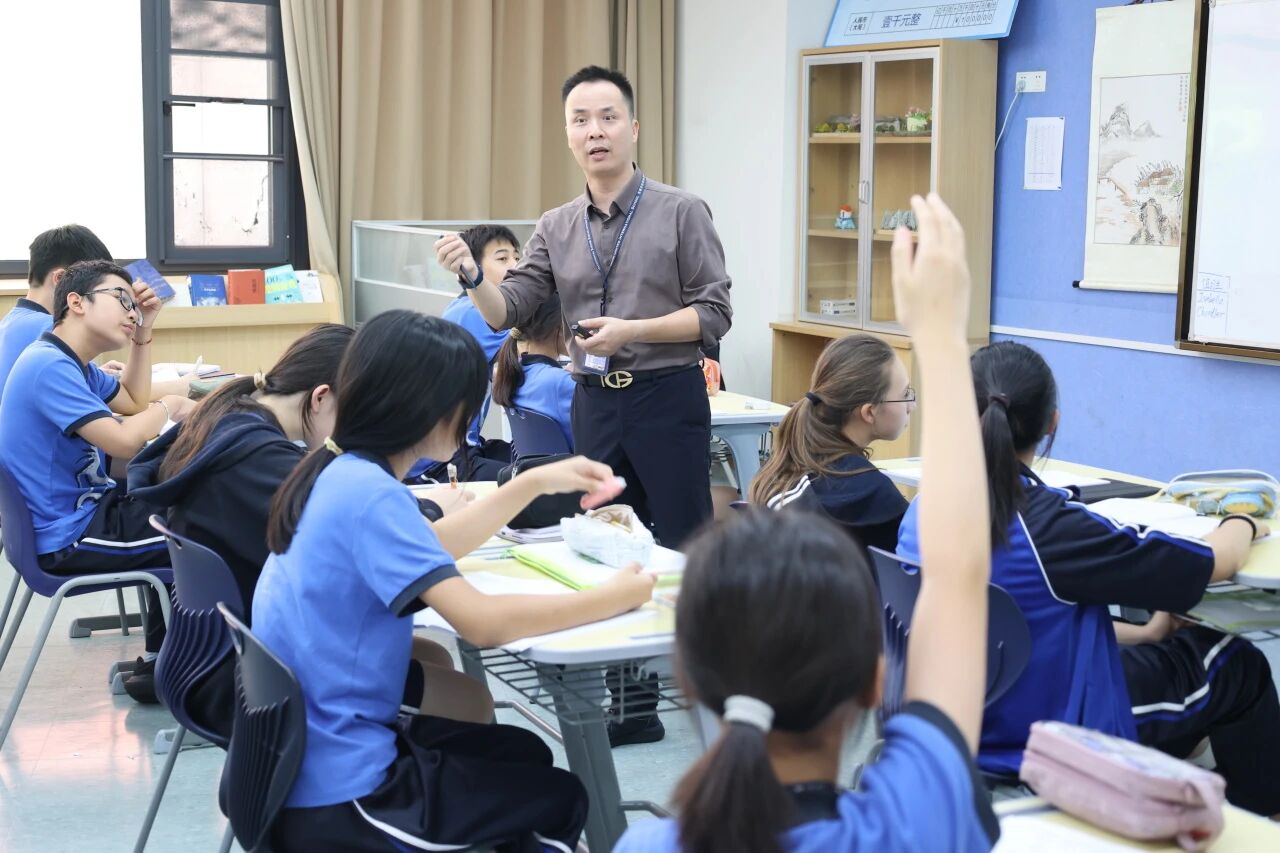
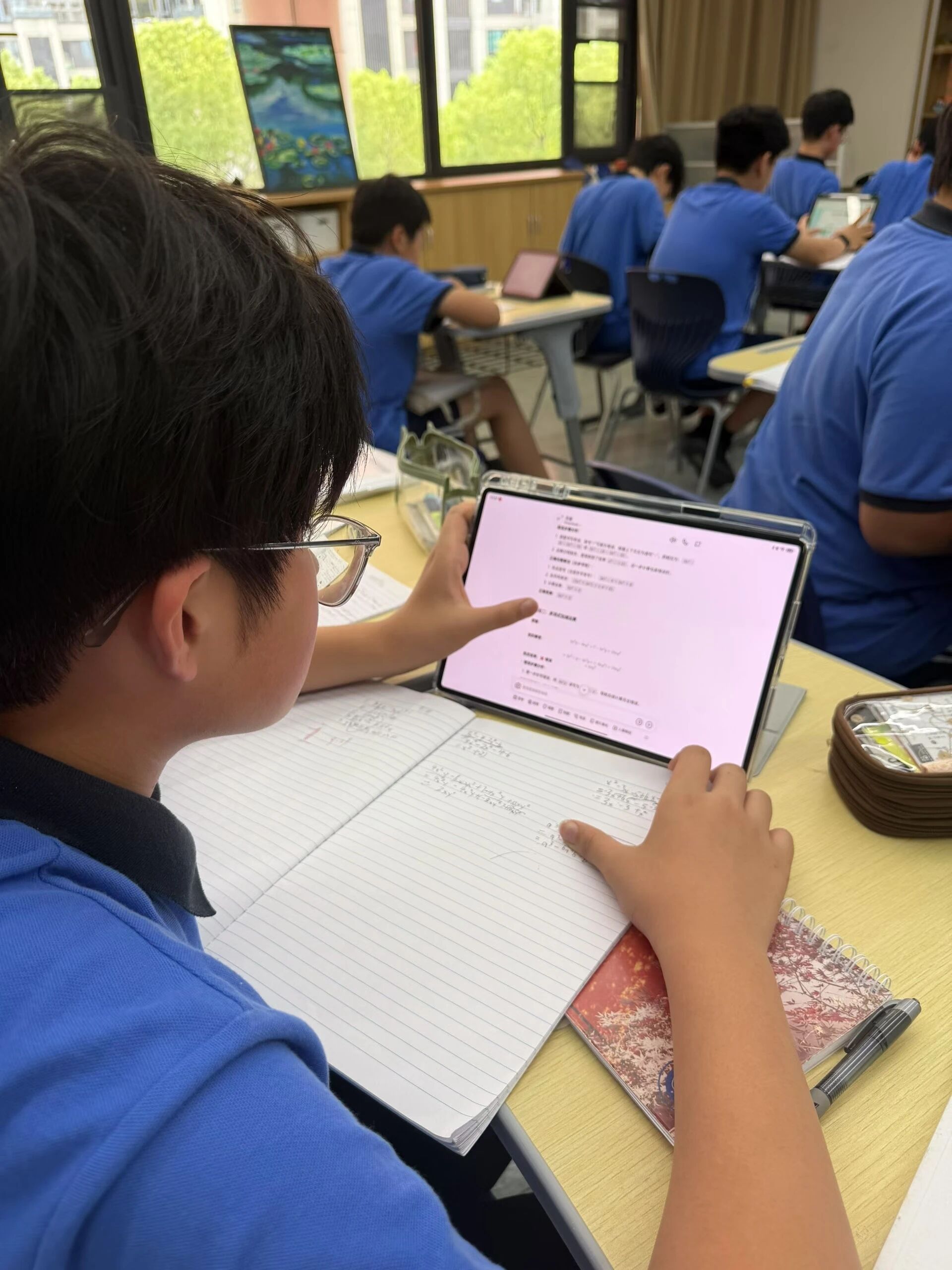
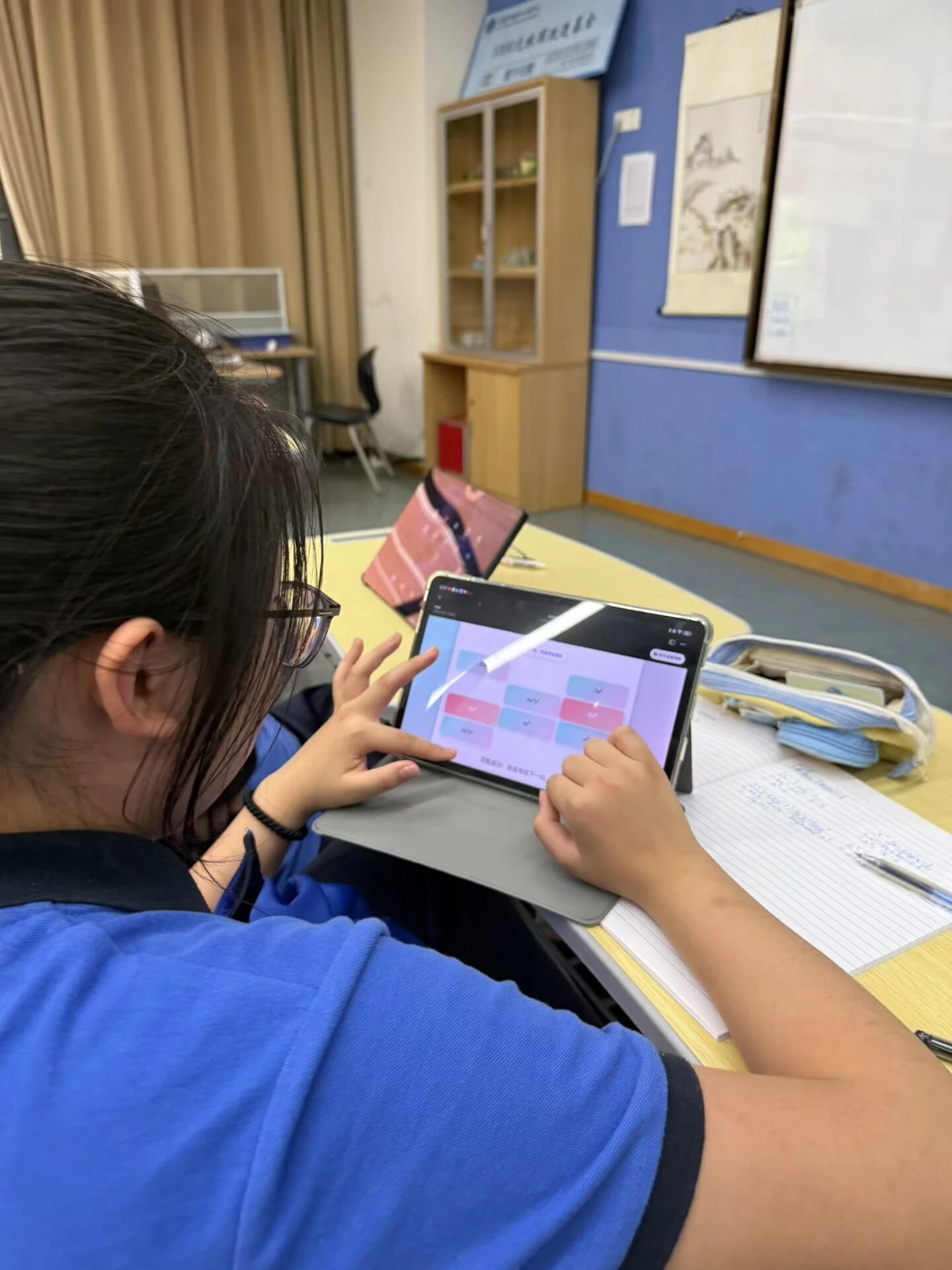
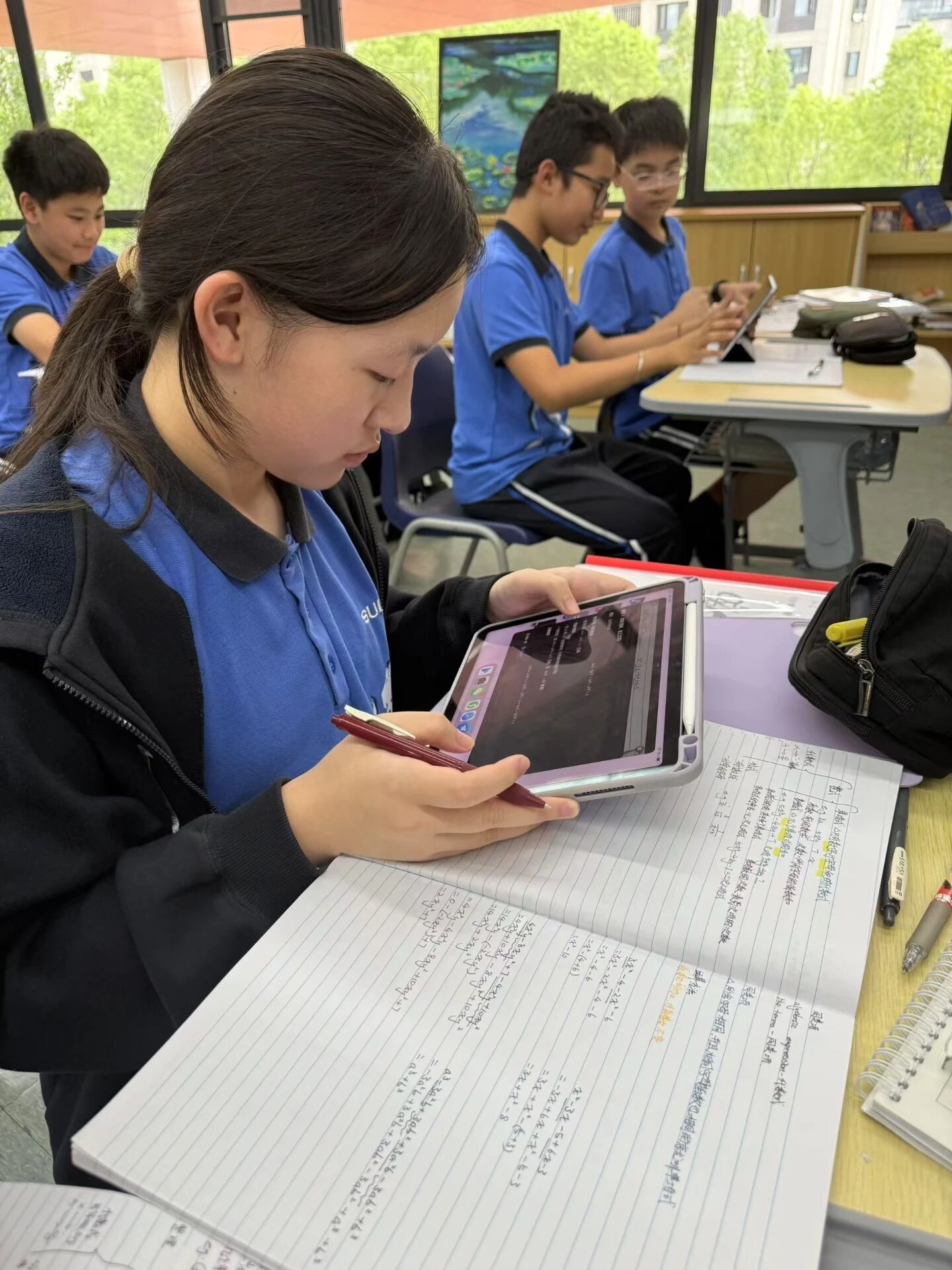 The Mathematics class saw the first attempt at using an AI-assisted learning system. In the lesson on “combining like terms,” Mr. Qian ingeniously designed interactive games like “Tile Matching” and “Connect Matching” to provide instant feedback on learning outcomes. During the practice session, students submitted their work through the Tencent Yuanbao platform, where AI provided immediate grading and personalized analysis. Students who answered all questions correctly could proceed to extension exercises, while those with errors first corrected their mistakes and then received targeted practice questions pushed by the AI, truly realizing “precision teaching” and “adaptive education.”
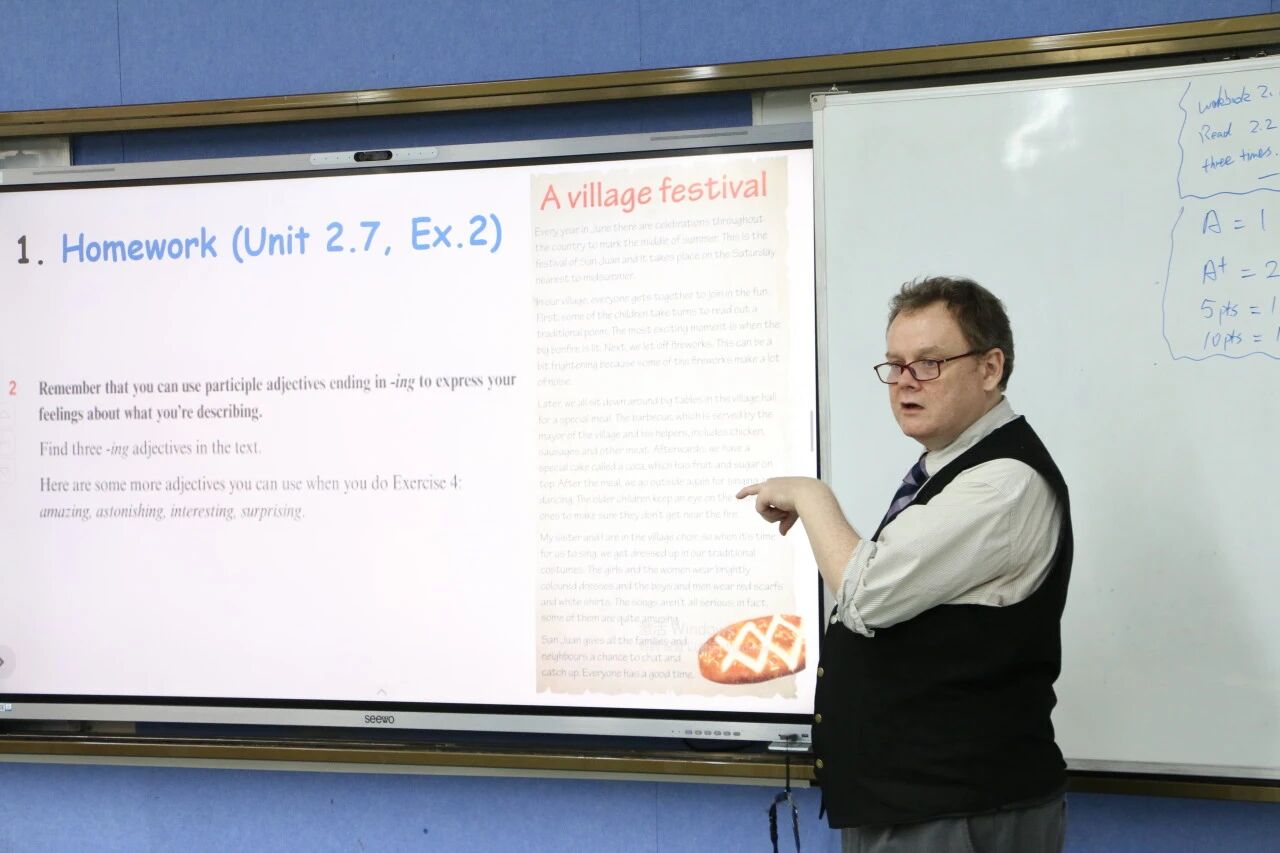

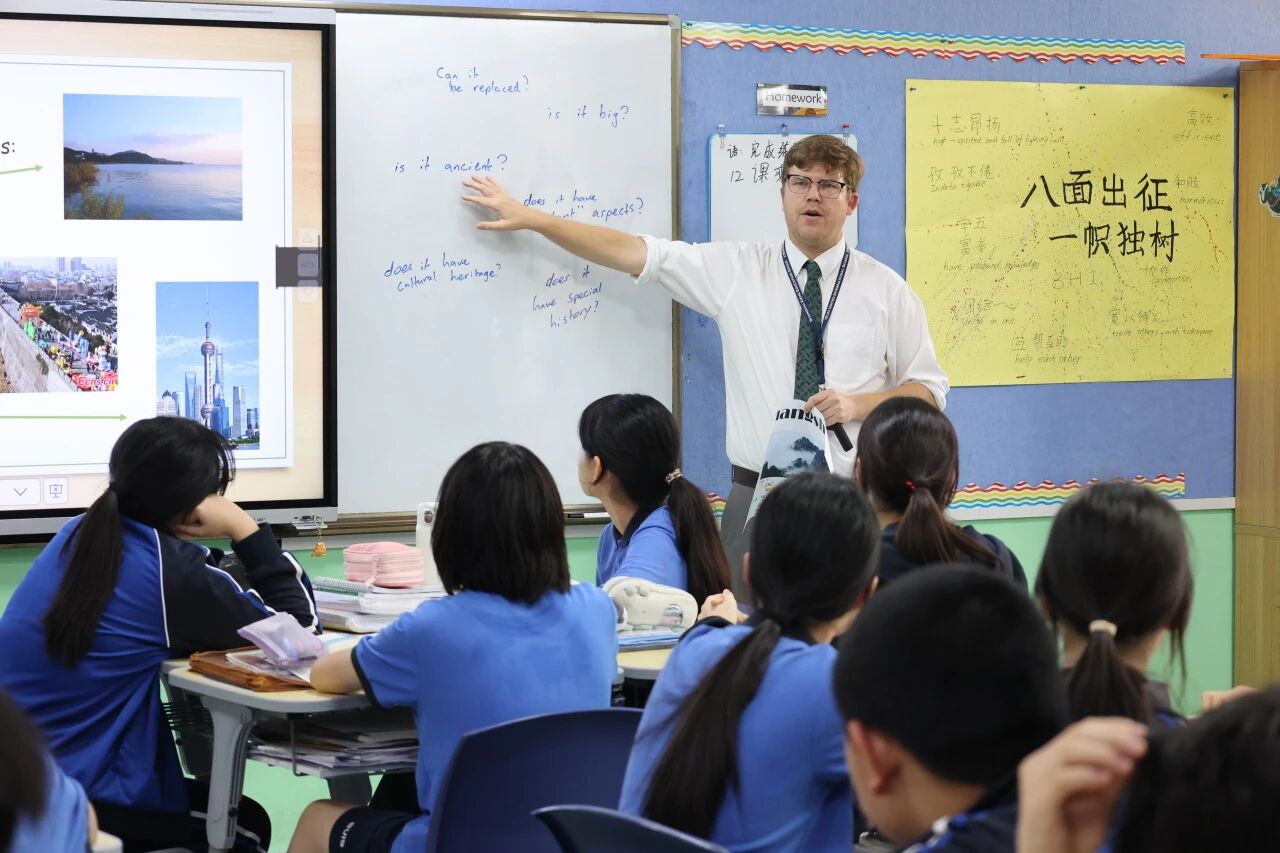
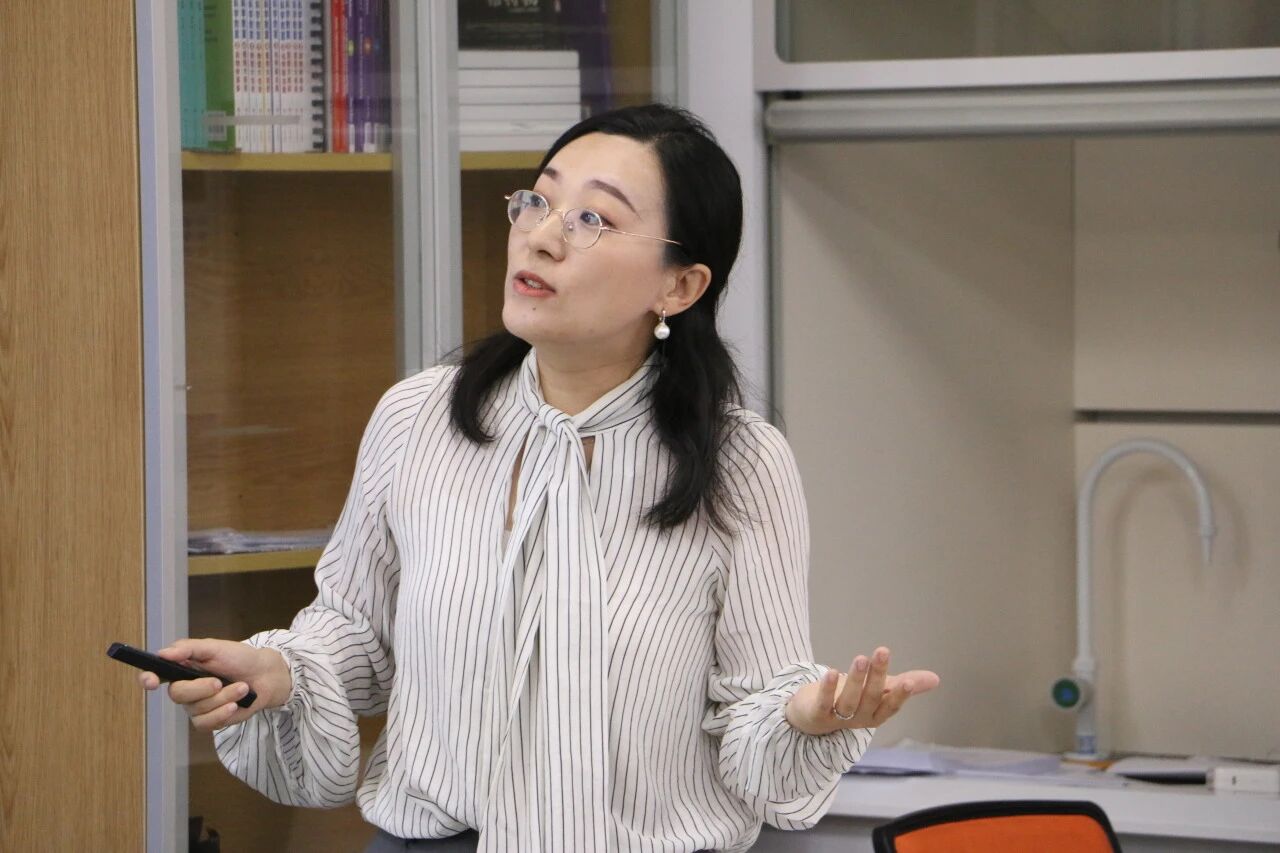 It is commendable that all applications of AI technology were closely aligned with teaching objectives, aiming to address practical challenges in traditional classrooms such as delayed feedback and difficulties in differentiation, rather than being mere technological showcases. This reflects our teachers’ deep understanding of the essence of teaching and their rational pursuit of educational innovation.
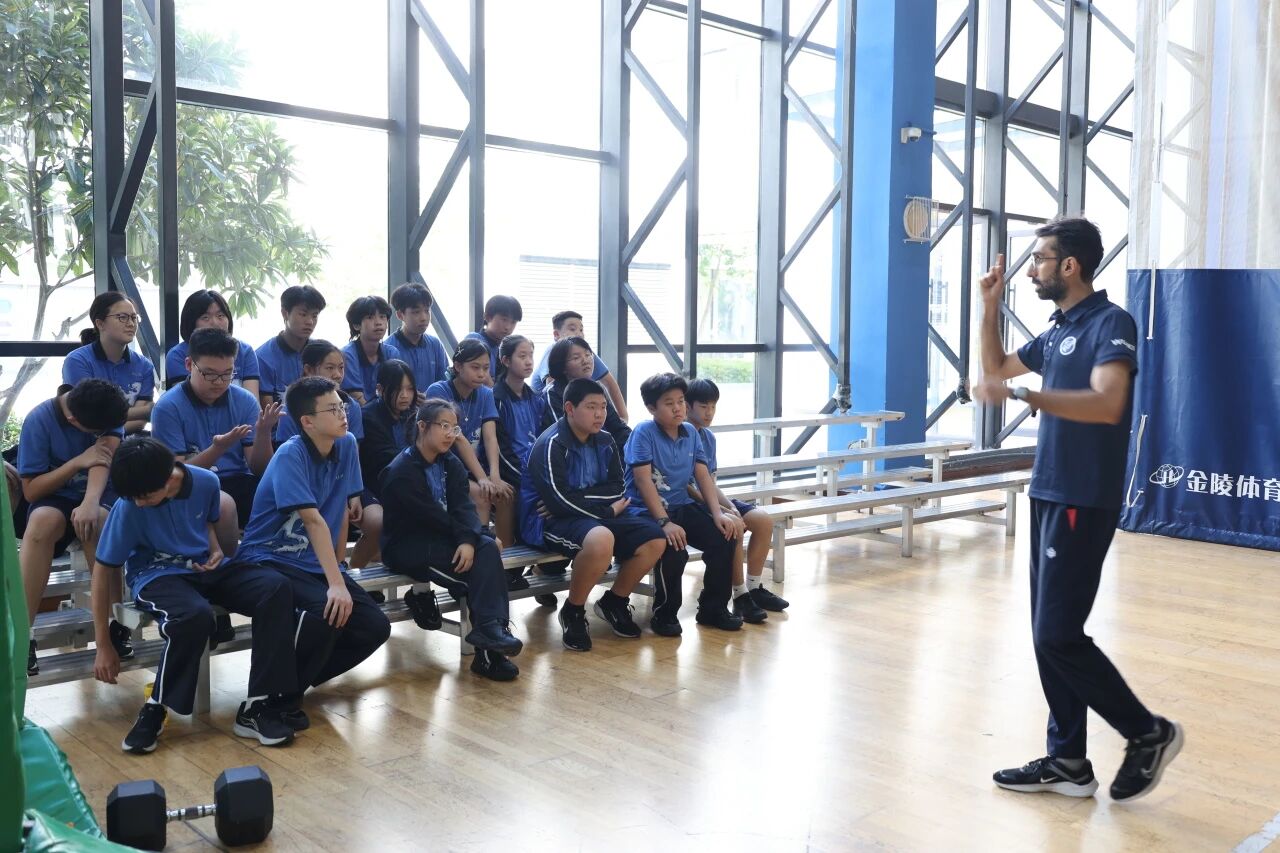
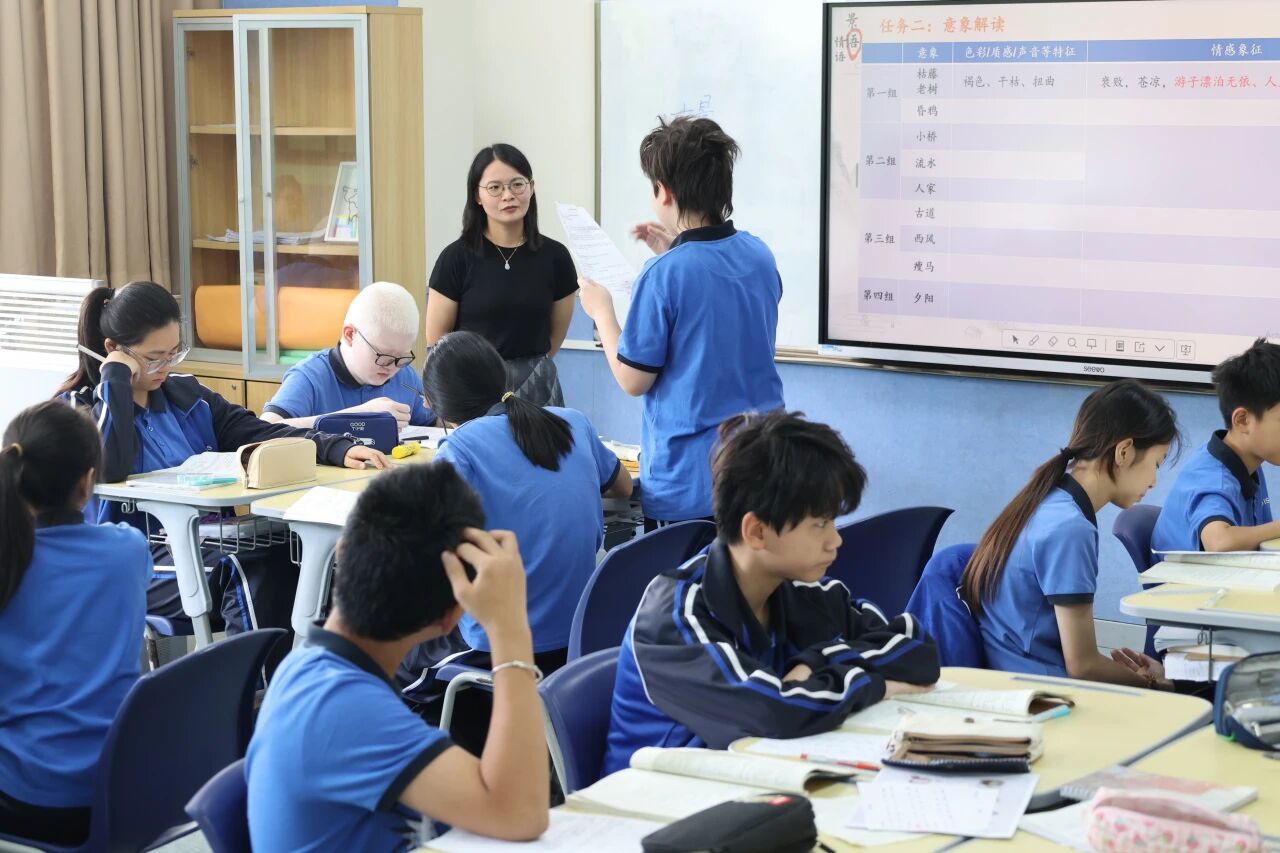
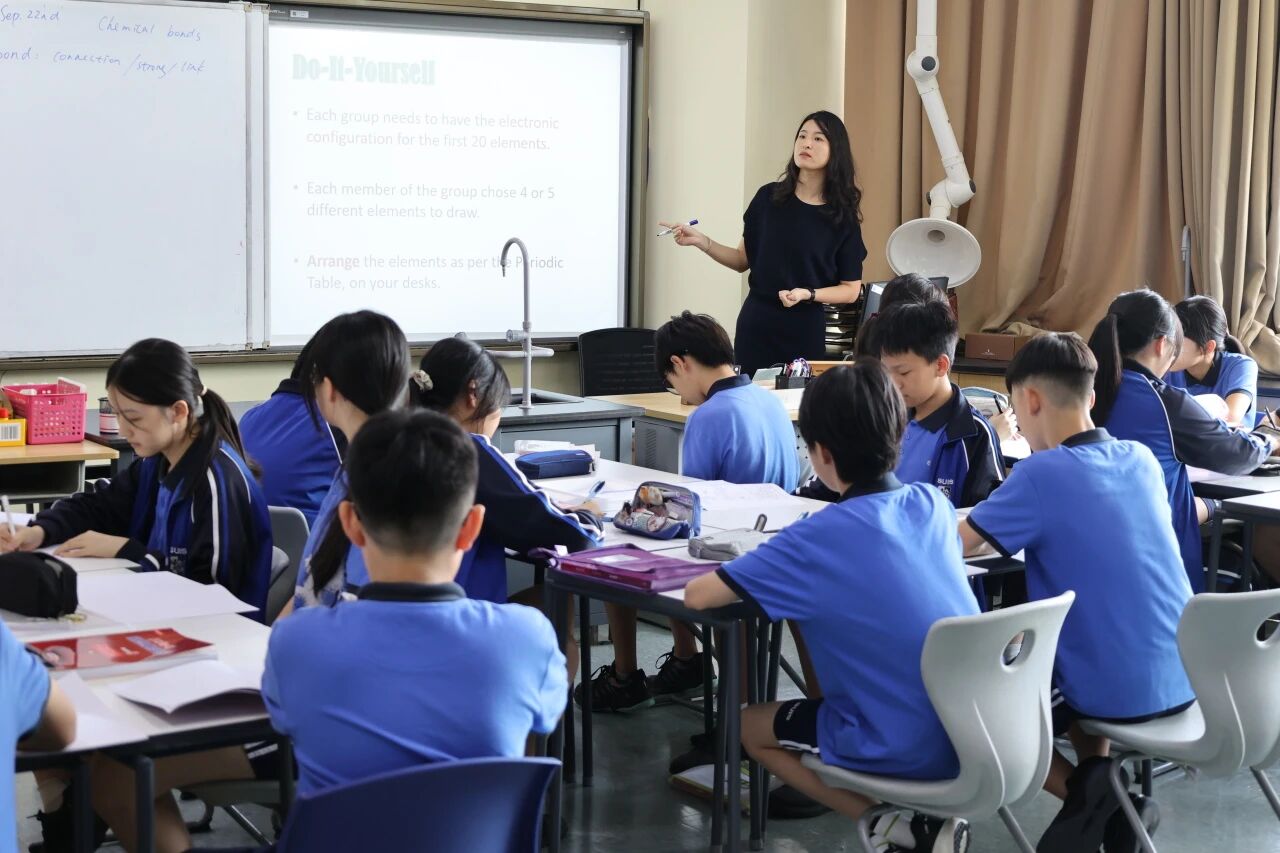 This demonstration class event by experienced teachers was not only a display of teaching excellence but also a practical and effective exchange of teaching research. The school will continue to encourage teaching innovation, promote the deep integration of information technology and education, and support the professional growth of every teacher and the holistic development of students’ competencies.