

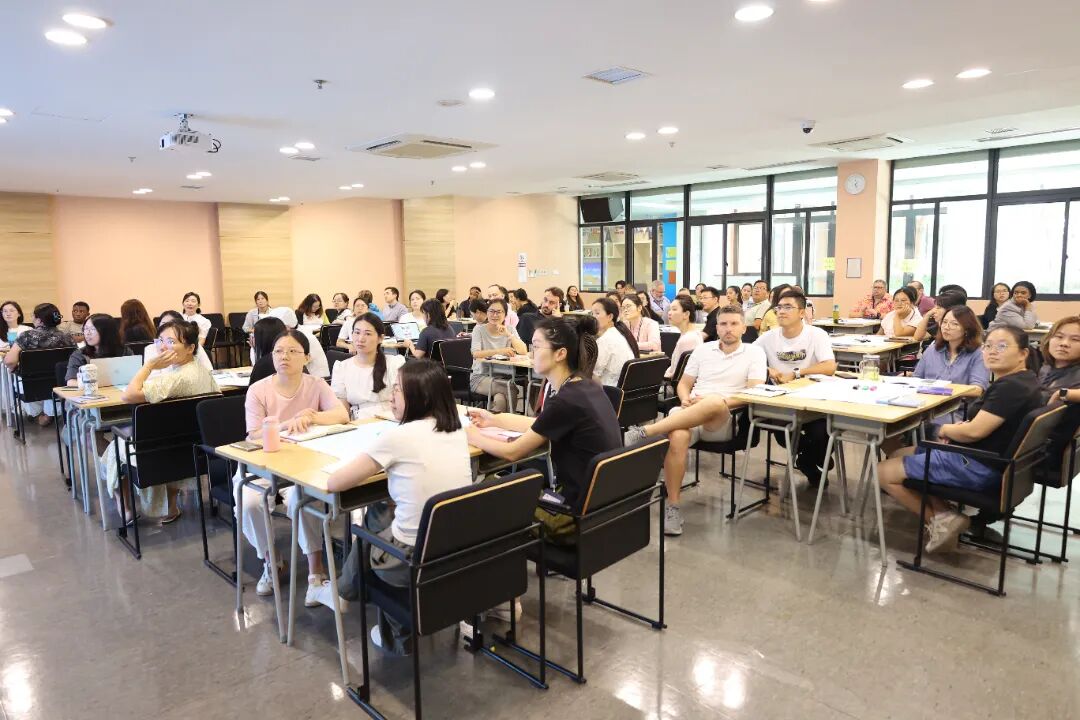
From August 22 to 26, Wuxi United International School launched the new semester with two substantive training sessions, injecting strong momentum into enhancing teaching quality and effectiveness. From the deep deconstruction of concept-based teaching to the practical innovation of collaborative learning, the teaching team explored new pathways for upgrading instructional strategies through the dynamic interplay of theory and practice.
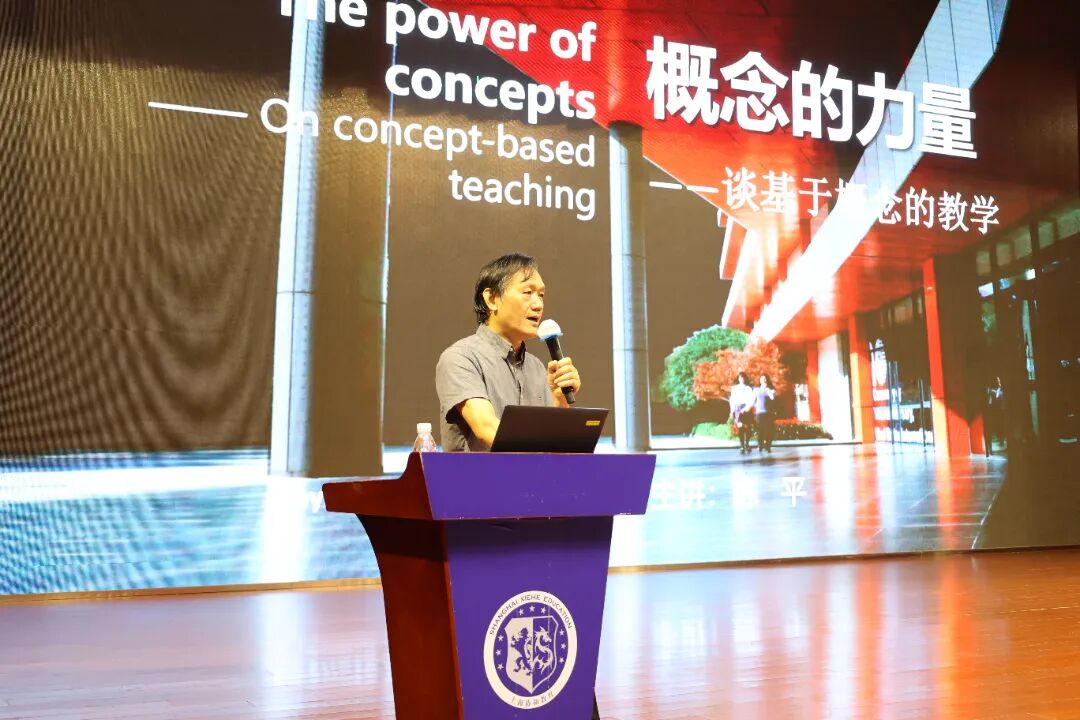
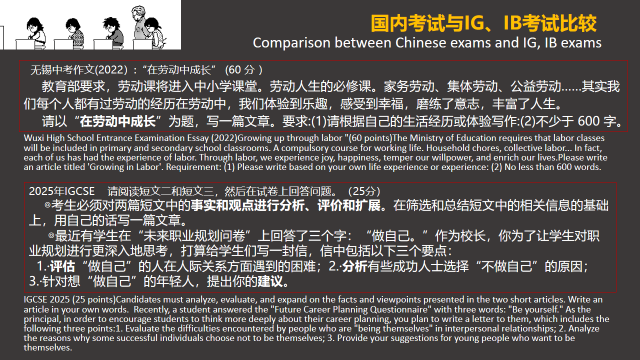
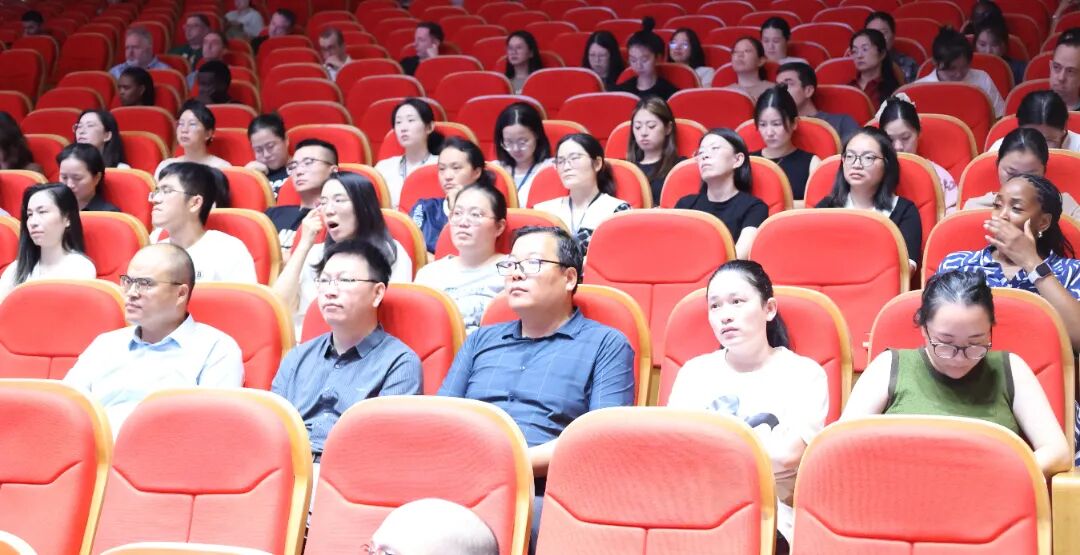
On August 22, Dean Chen Ping led a session titled “The Power of Concepts: Discussing Concept-Based Teaching,” guiding faculty in exploring the essence of instruction. Beginning with a comparison of domestic and international educational evaluation systems and IB program practices, Dean Chen highlighted the core value of concept-based teaching: concepts serve not only as the framework of disciplinary knowledge but also as a key to breaking away from rote-learning dilemmas and nurturing students’ core competencies. From building disciplinary structures to facilitating interdisciplinary skill transfer, the profound significance of concept-based teaching was illustrated through case studies, offering clear direction for educators.
 During the strategy breakdown segment, Dean Chen categorized concepts into knowledge-based and ability-based types, using examples from subjects like Chinese and mathematics to demonstrate the concept-driven teaching model. Practical examples such as “Secrets of Shadows” and “Magic of Colors” were used to visualize the four-step method for knowledge-based concept teaching: “extracting facts – summarizing patterns – deepening understanding – transferring applications.” Meanwhile, chemistry experiment designs and biology inquiry activities illustrated how ability-based concepts stimulate higher-order thinking through “task-driven learning – reflection and summarization – pattern extraction – practical innovation.”
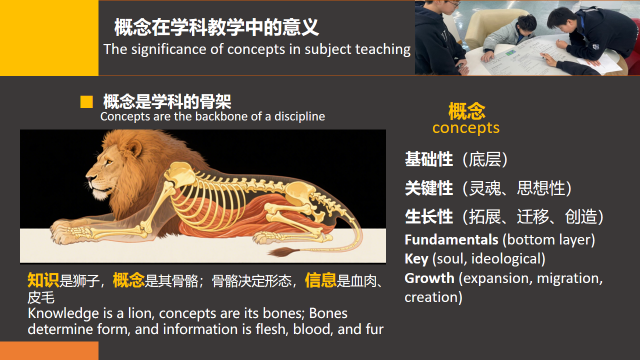
 The training also emphasized the symbiotic logic of interdisciplinary concepts, using the integration of music and physical education as an example to break down subject barriers and broaden teachers’ interdisciplinary perspectives.

 In closing, Dean Chen called for action: integrating core concepts into lesson planning, creating visual concept maps, and designing real-life transfer tasks to deepen the theory-practice connection. The session was not only a profound inquiry into the nature of teaching but also a practical guide for transforming classroom dynamics.

 On August 26, Director Yang Biao conducted a practice-oriented training titled “Deep Empowerment Through Collaborative Learning” for elementary school teachers. Starting with team formation, he introduced an innovative cross-disciplinary collaborative group model involving five members, integrating bilingual teachers, international faculty, and administrators to break subject boundaries and build a synergistic “bullet train” framework for teaching and research.


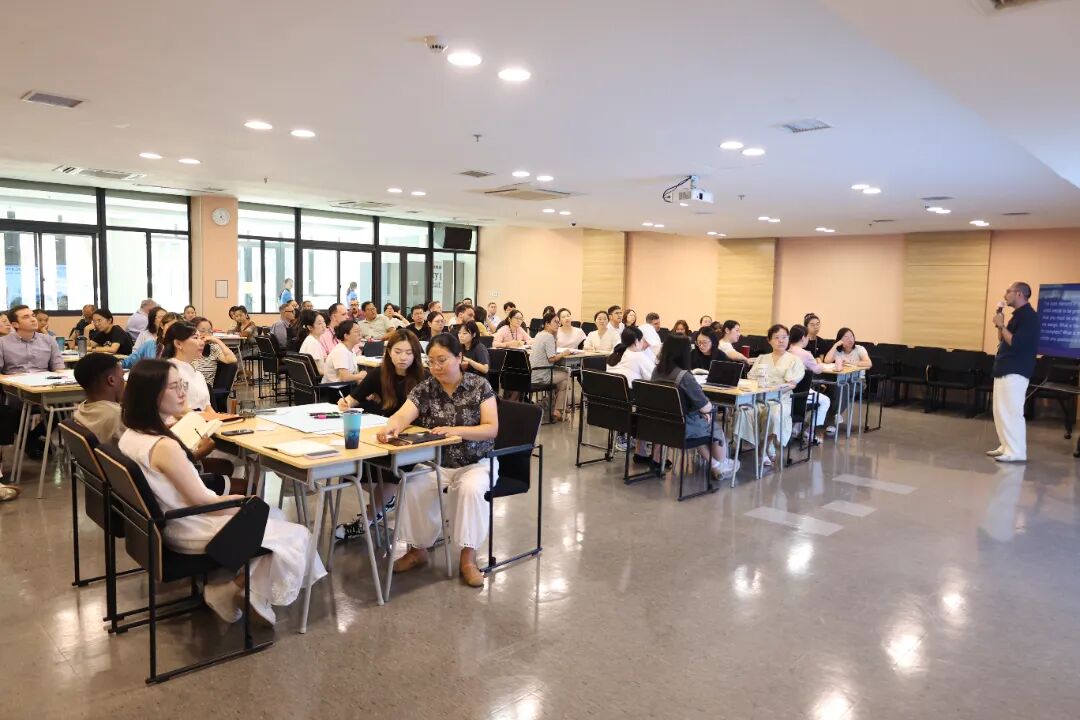 Director Yang systematically explained the differences between traditional group learning and collaborative learning, highlighting innovations in goal setting, accountability mechanisms, and the evolving role of teachers: students shift from “passive observers” to “active contributors,” while teachers become facilitators and supporters. Focusing on six core elements—reflection, collaboration, higher-order thinking, and others—the training analyzed their synergistic mechanisms and demonstrated how their integration weaves a network for developing students’ core competencies.

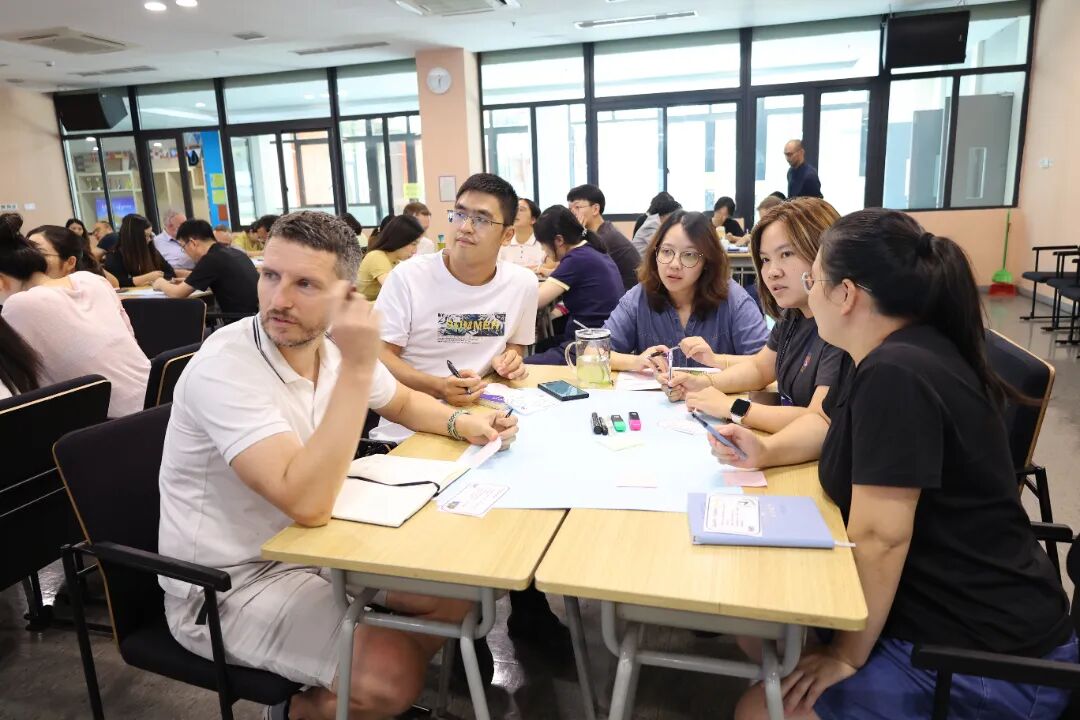


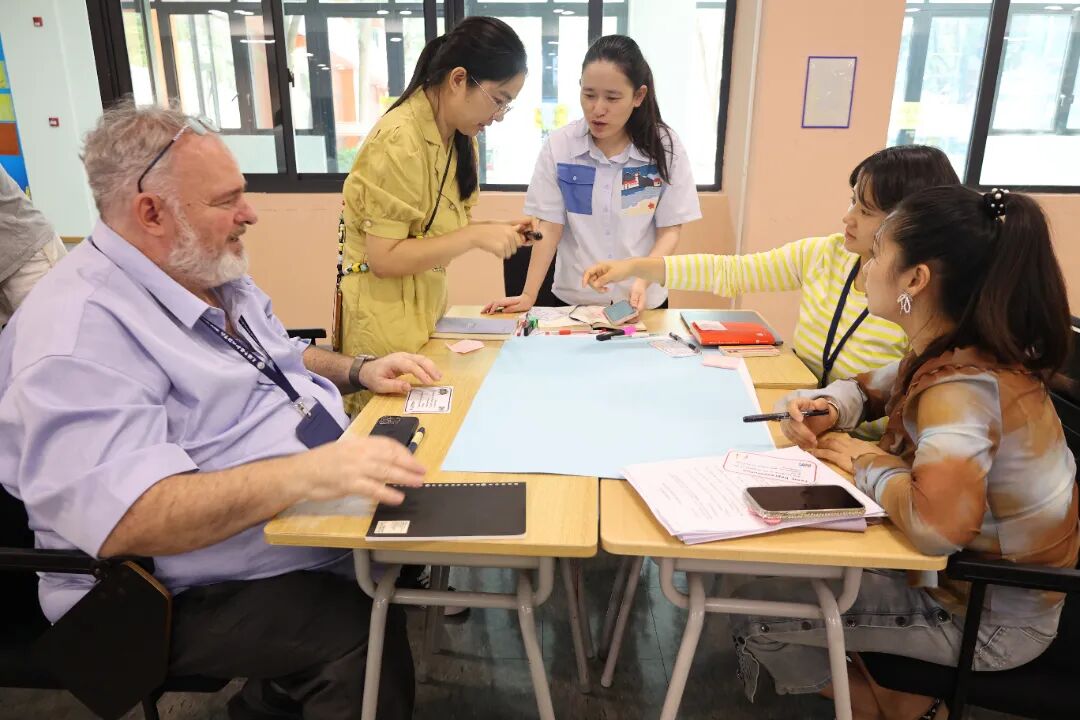

 In the practical guidance segment, Director Yang provided a comprehensive action plan covering communication and preparation, classroom design, and management and monitoring. Through developing task agreements and hands-on classroom examples, he helped teachers translate theory into actionable practices. The training outlined plans for school-wide implementation of collaborative learning this semester, including leadership supervision and professional reading groups, to embed this innovative teaching model into regular practice and drive sustained improvement in teaching quality.

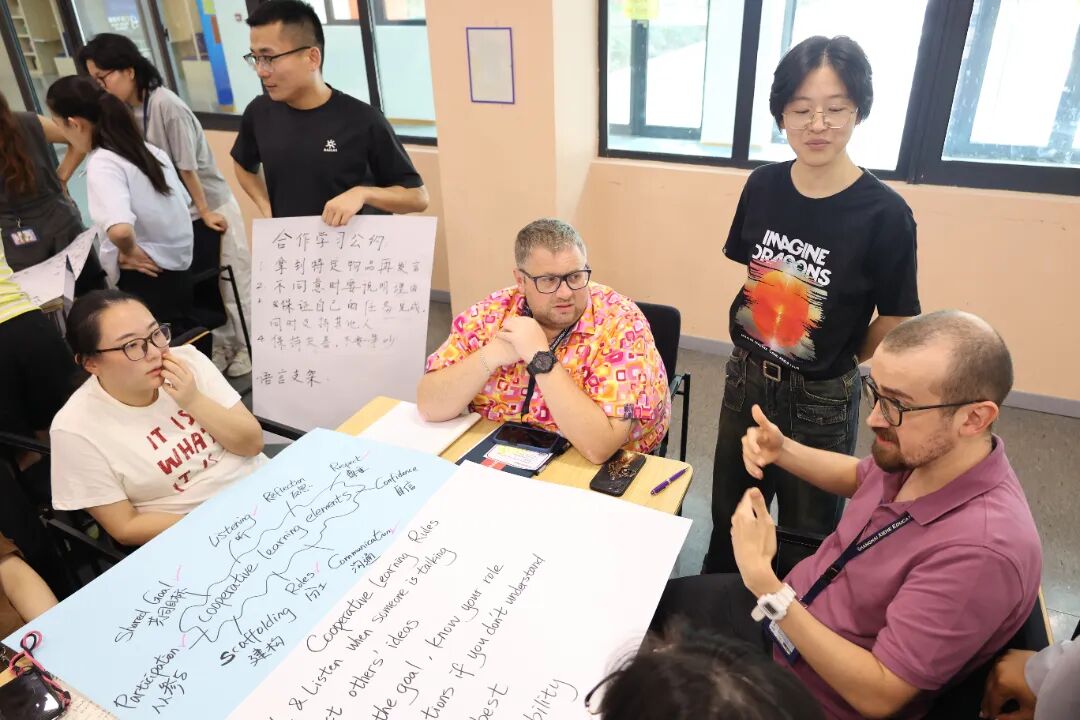

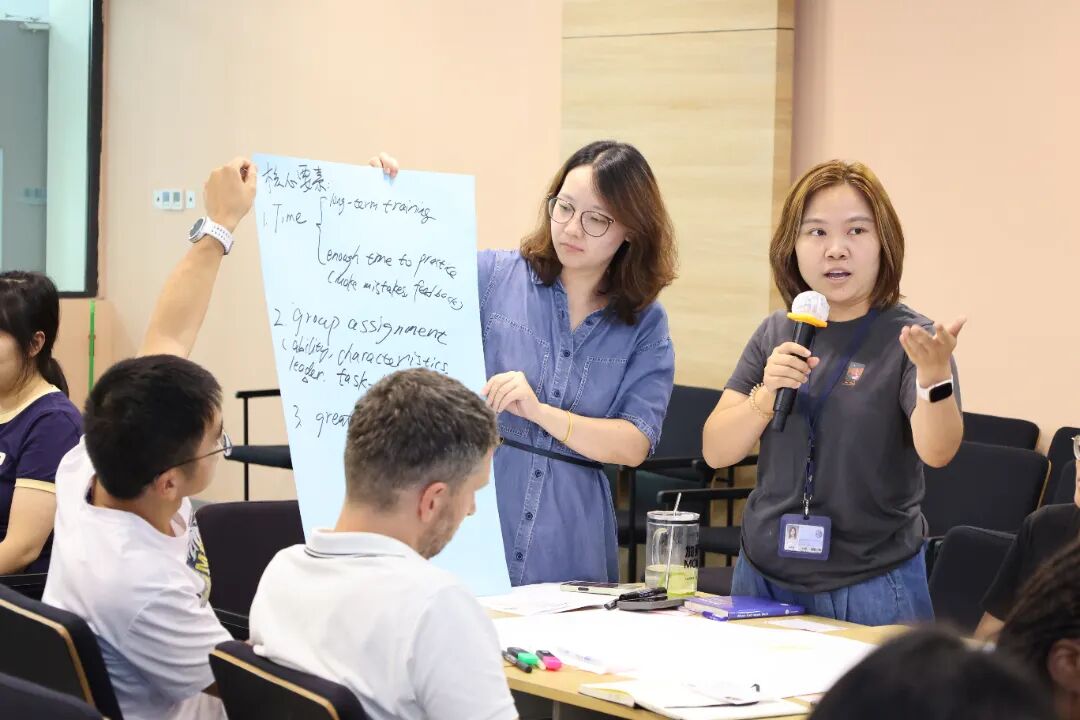
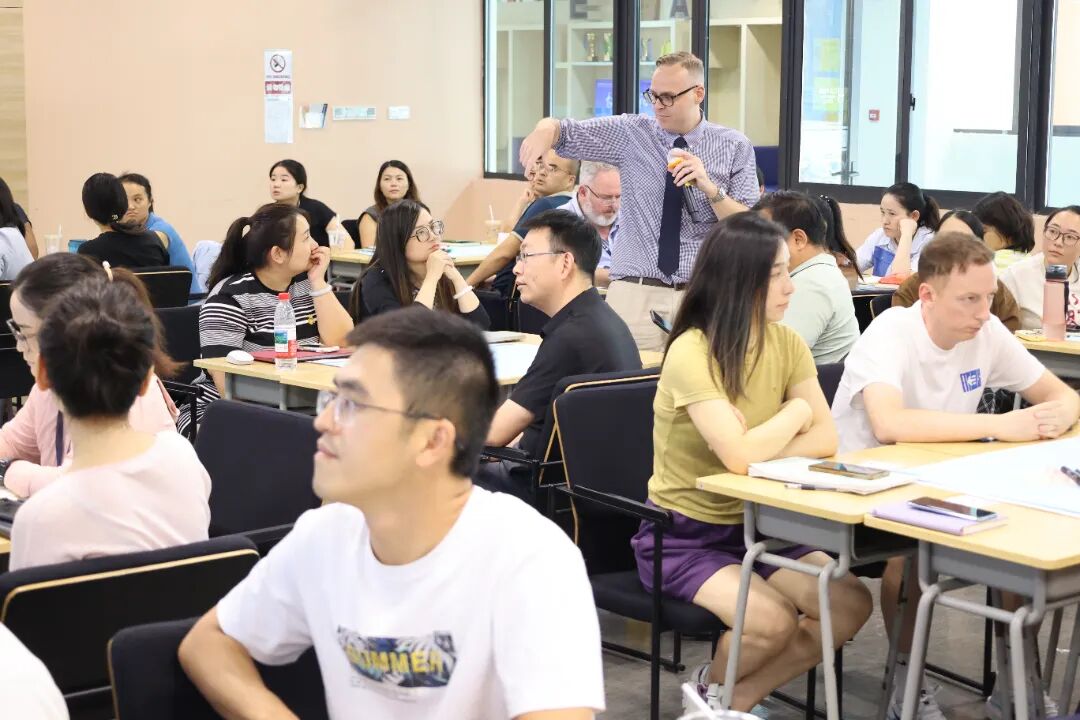

 Rooted in addressing teaching challenges, these two sessions combined theoretical insights with practical drive, equipping teachers with both a “toolbox” of upgraded strategies and a “new engine” for collaborative innovation. This marks the beginning of a new journey for educators as they work together to advance high-quality education.