

The course design starts from the text, aligning with the unit’s objectives. WUIS advocates for holistic development, and the importance of the Chinese language curriculum in this context is self-evident.
It not only provides students with language knowledge but also offers them space for deeper reflection. This activity prompted me to lower my head and think—delving deeper into the text to seek the treasures hidden between the lines. It also made me lift my head and look ahead—considering how to adapt and conduct more suitable mother-tongue teaching for WUIS students in an international school setting.
I will carry the insights gained from this activity forward, continuing to cultivate and grow on the soil of WUIS.
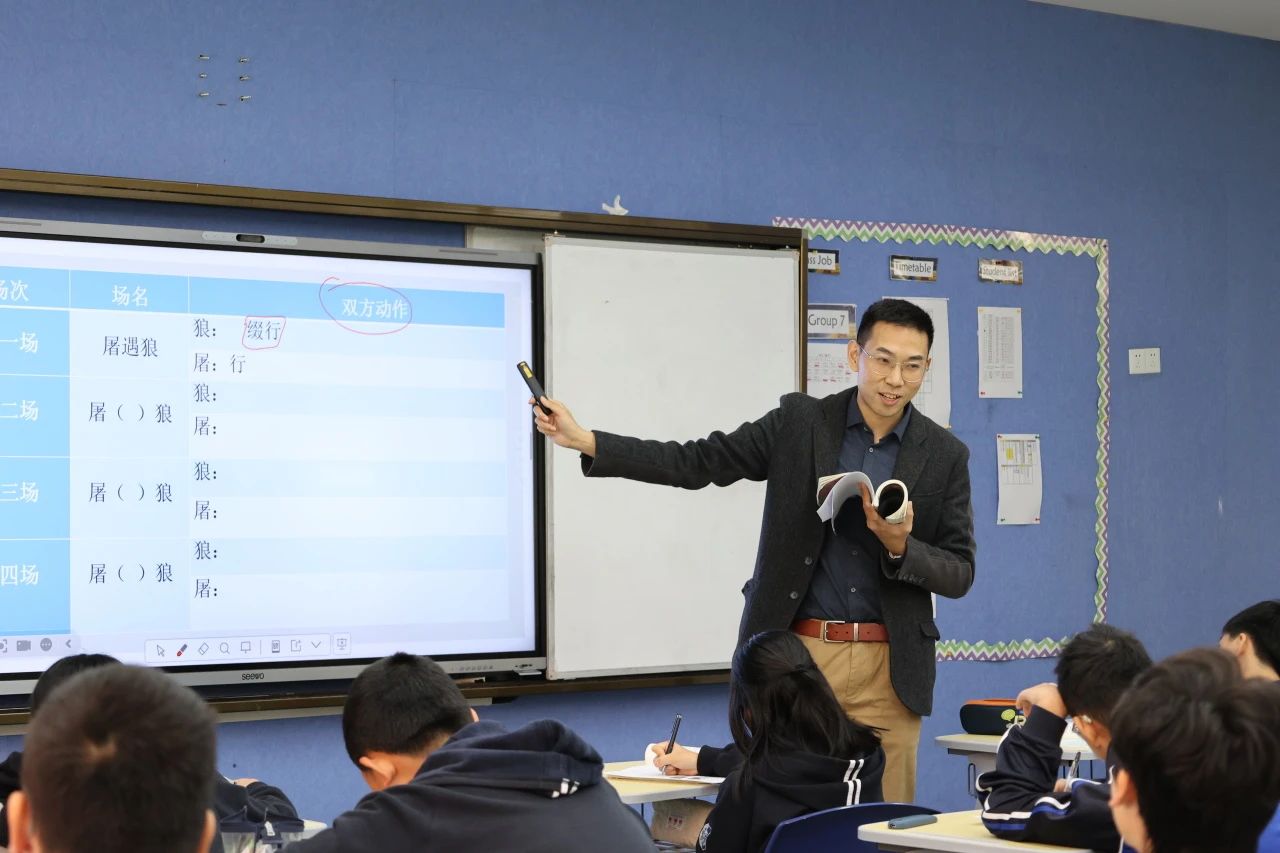
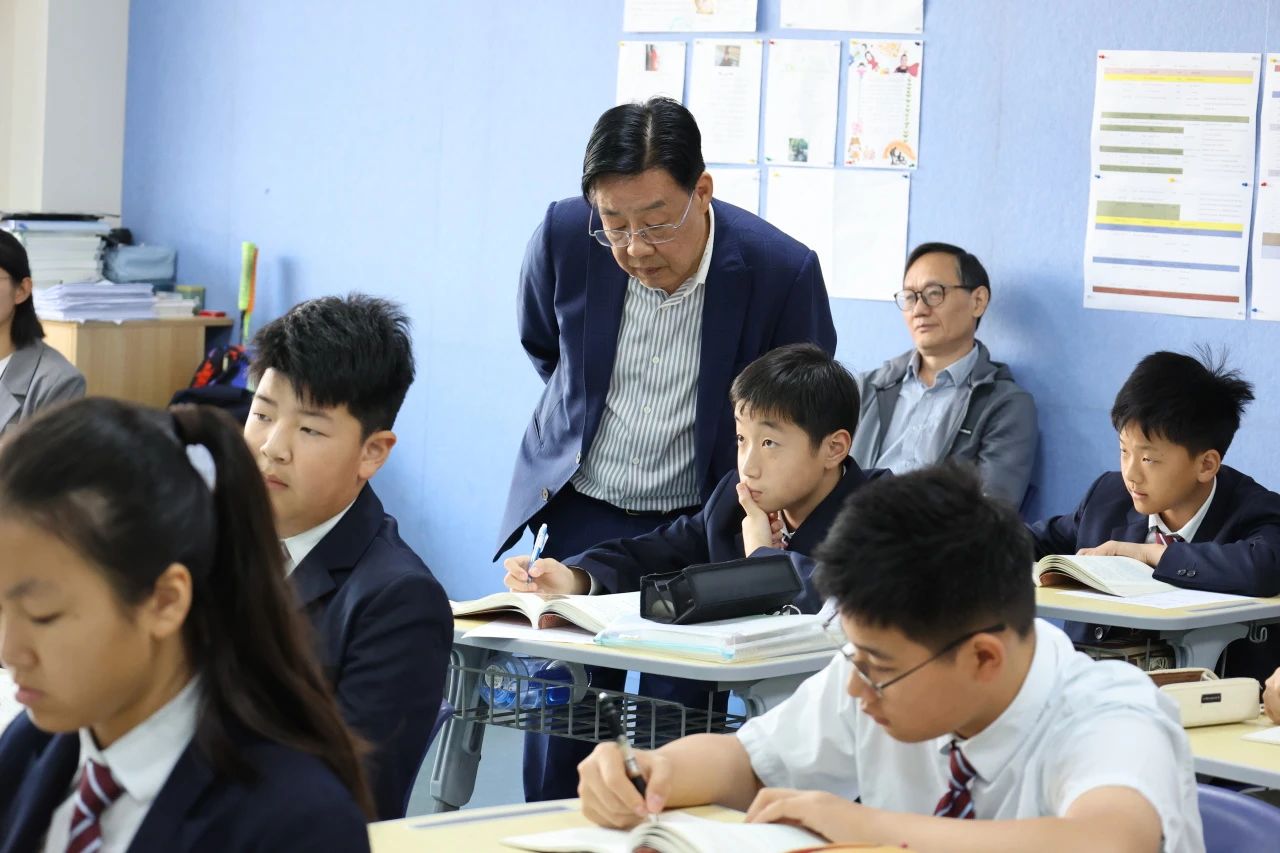 Helen
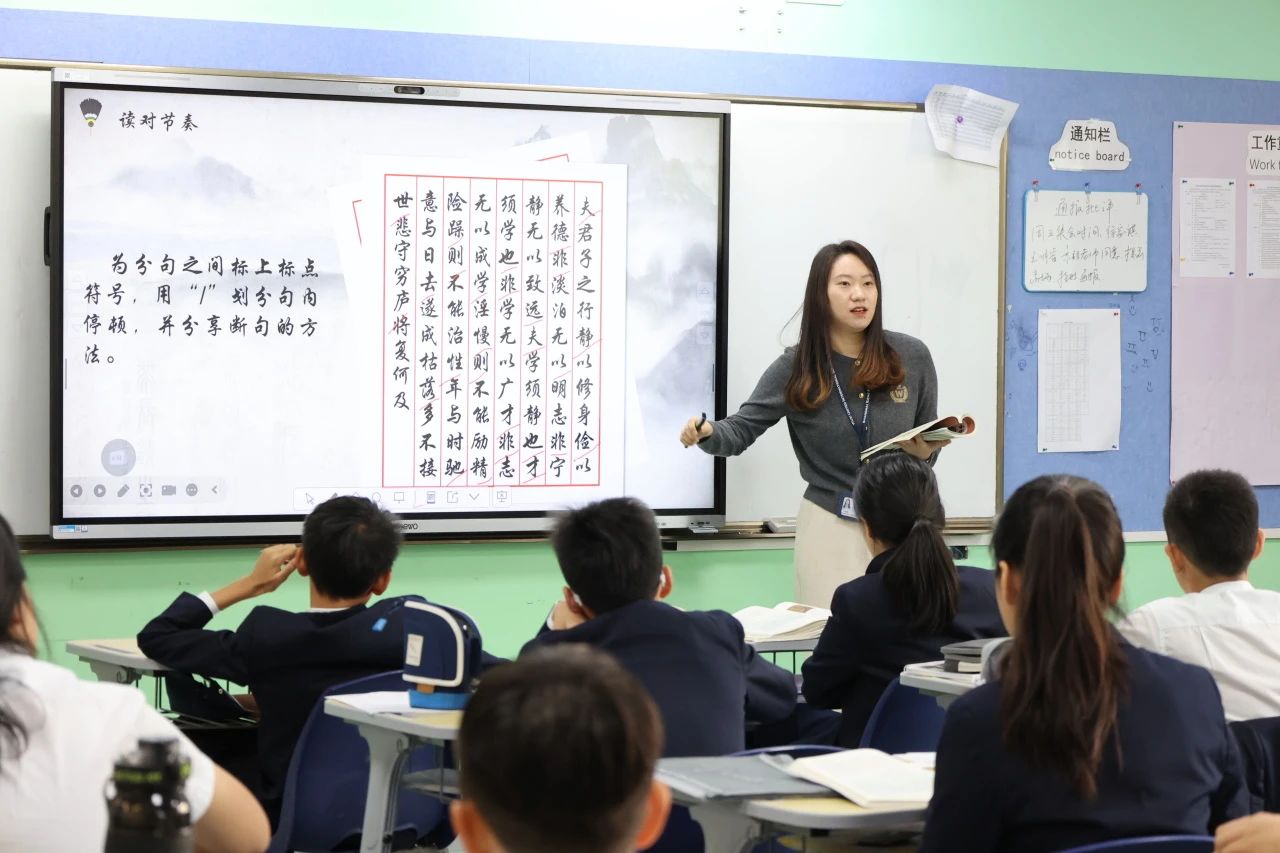
During implementation, the situation effectively engaged students, and the reading section had good results. However, some students struggled with the depth of understanding during the analysis, and due to time constraints, some students were limited in the writing task. As a result, the overall teaching objectives were not fully achieved.
To improve, the introduction of the situation should be optimized, additional analysis materials and guiding questions should be provided, group collaboration should be better facilitated, time should be more precisely planned, and writing instructions should be more detailed. These adjustments will help make the lesson flow more smoothly and efficiently, support students in gaining a deeper understanding of the classic text, enhance their overall literacy, and achieve better teaching outcomes.
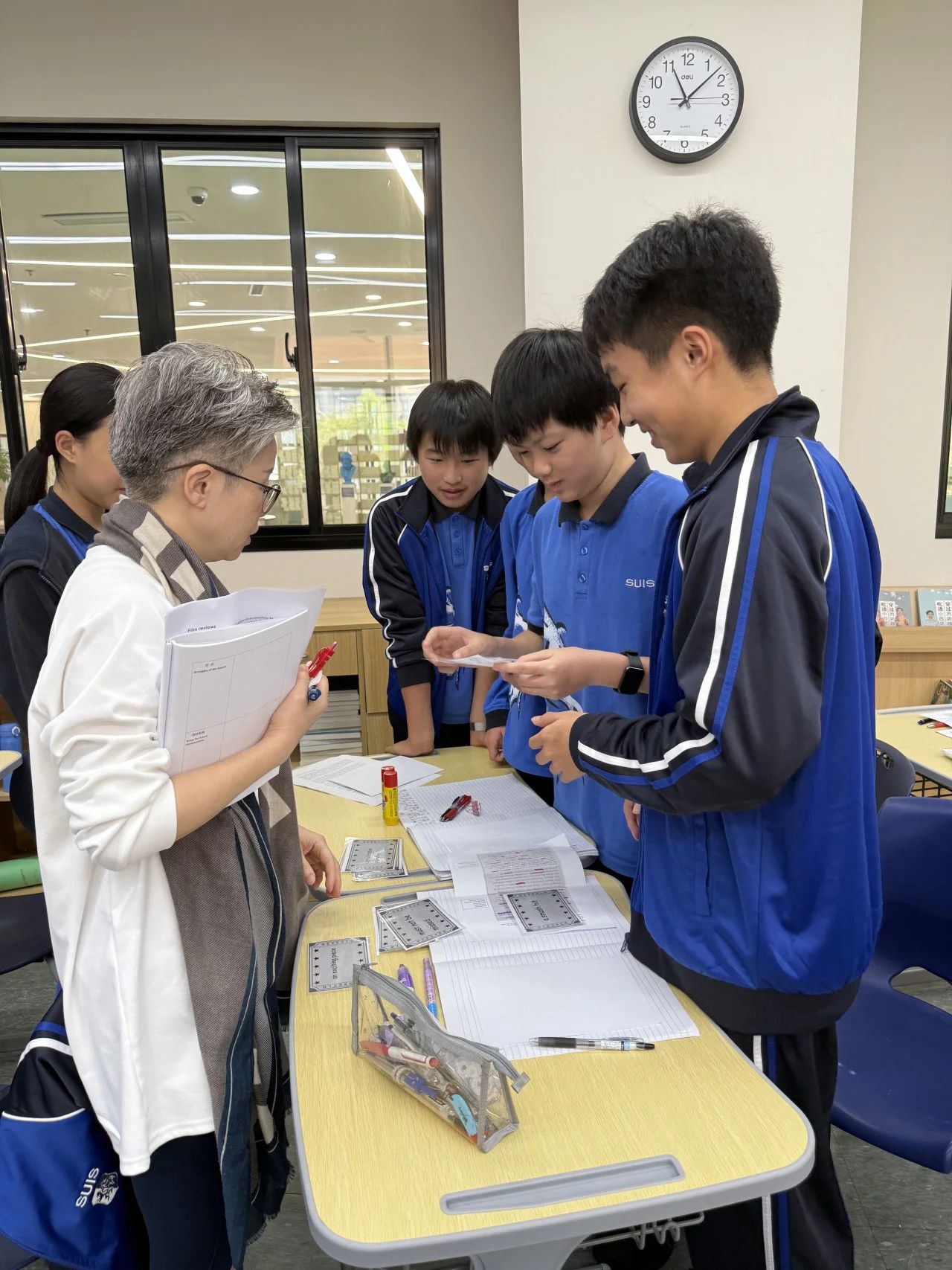
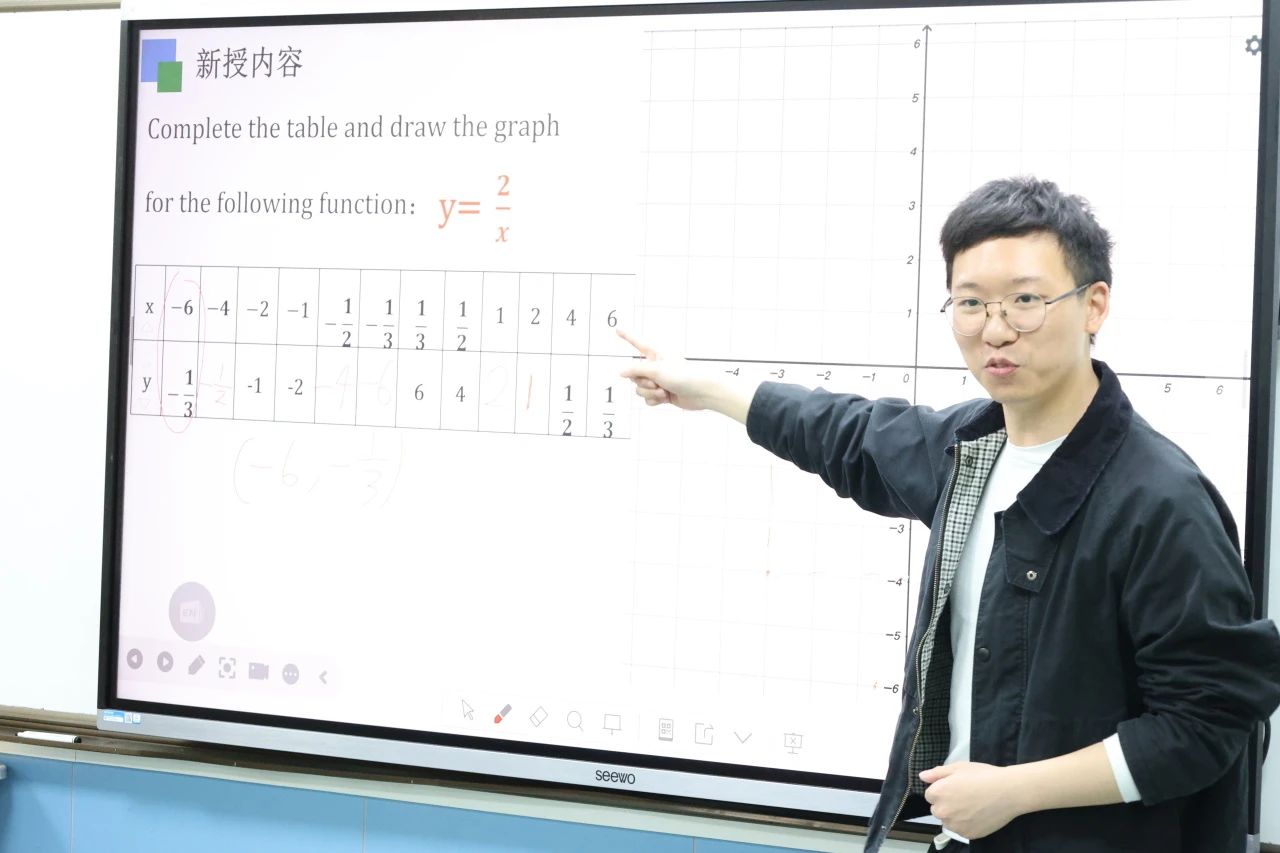 Overall, the display of students’ thinking, the evaluation of others’ work, and the reflection on their own graphs were very helpful for mastering this mathematical skill. However, due to time constraints, I was unable to display everyone’s work. In the future, I could have students work in small groups to present and critique each other’s graphs.
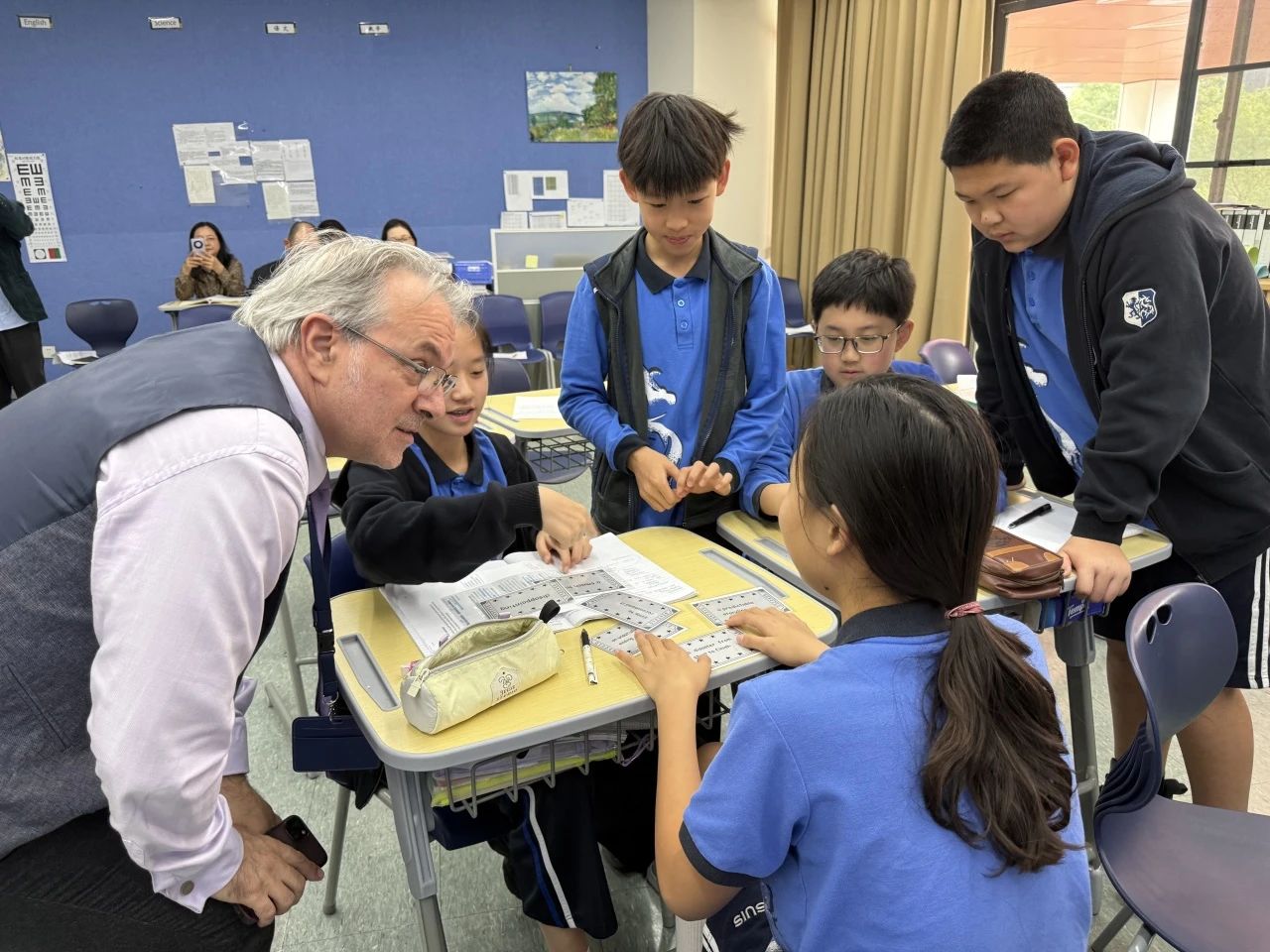 Ryan
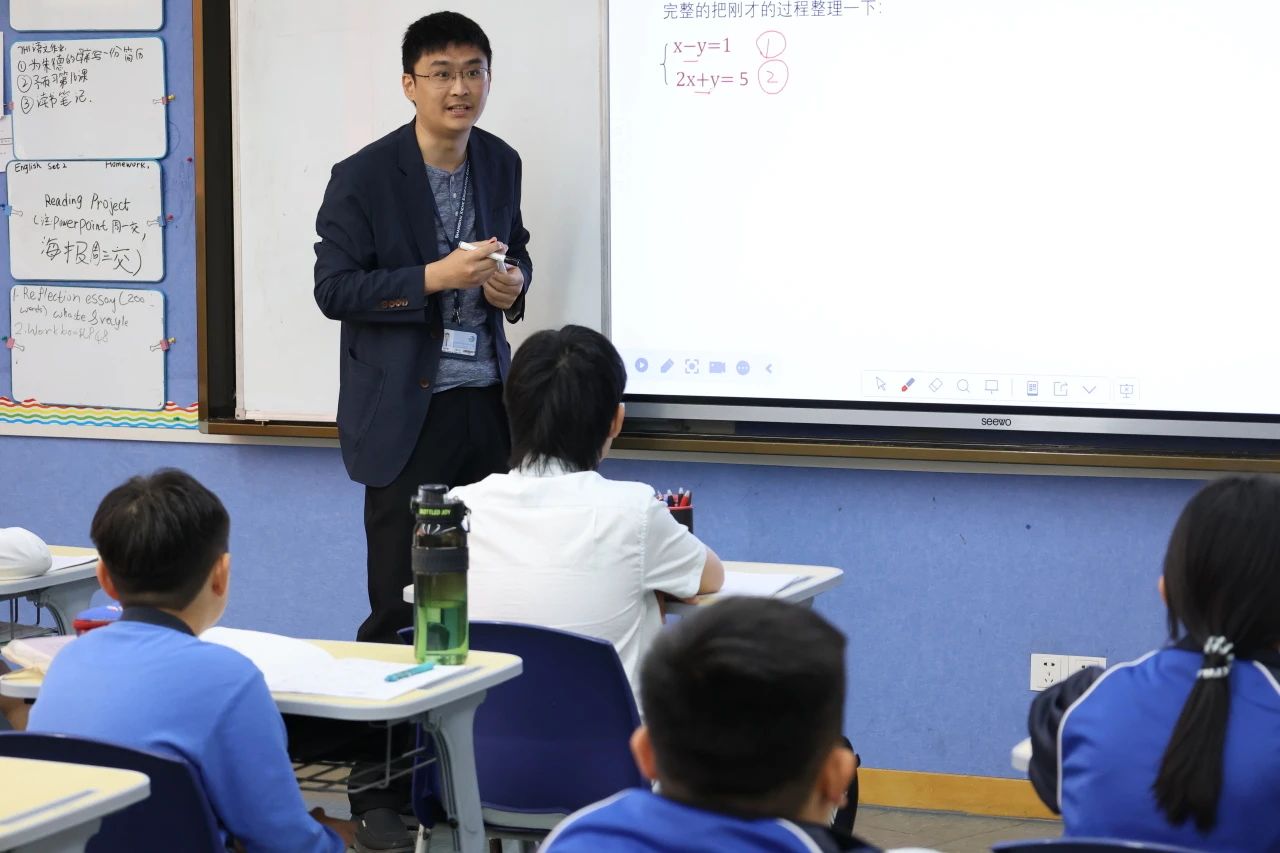 To facilitate this understanding, I introduced the concept of a balance scale and its relationship to equations, connecting everyday life to mathematical concepts. This made it easier for students to grasp the key points. Next, I introduced the general method of addition and subtraction, followed by two example problems—one solved using addition and the other using subtraction. This allowed students to gain an intuitive understanding of the addition and subtraction methods. Finally, students reinforced the concepts through practice exercises to consolidate their learning.
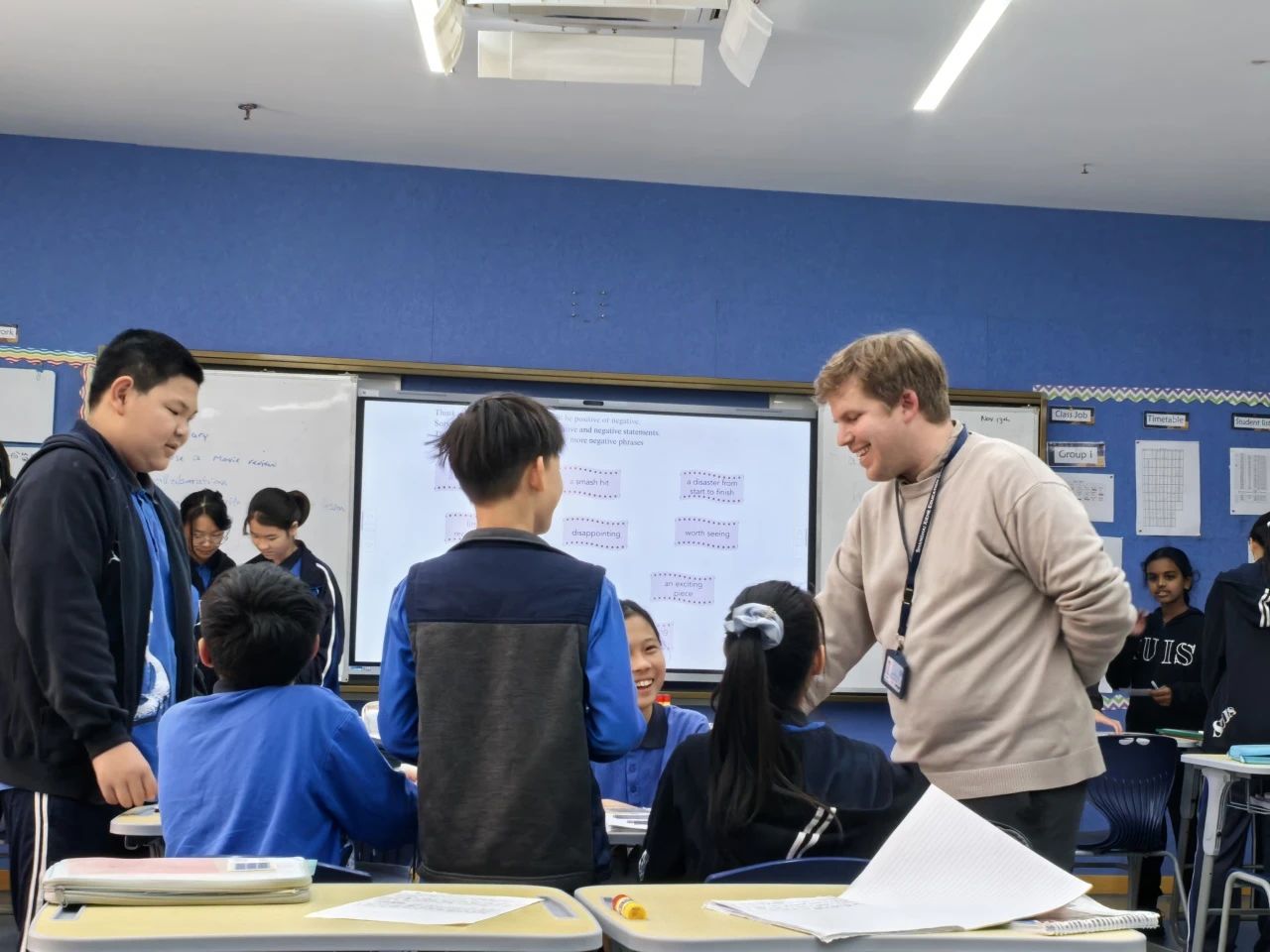
The content engaged the students, and they participated actively. Inquiry-based learning is a critical component of a successful lesson, and it was rewarding to see the students generating their own questions throughout the class.
A lesson that builds logically toward a clear end goal naturally generates interest among students, and all of the objectives for this class were successfully met. I am grateful for the opportunity to receive constructive feedback and look forward to continued learning here at WUIS.

The lesson centered on the theme of “Natural Energy,” beginning with an analysis of the textbook and providing a clear and accessible explanation of the characteristics of renewable and non-renewable energy sources. To deepen students’ understanding, I incorporated a case study of an island community, using situational teaching to guide students in analyzing the advantages and disadvantages of different energy sources in a real-life context, while also helping them understand the far-reaching impact these energy choices have on the environment and society.
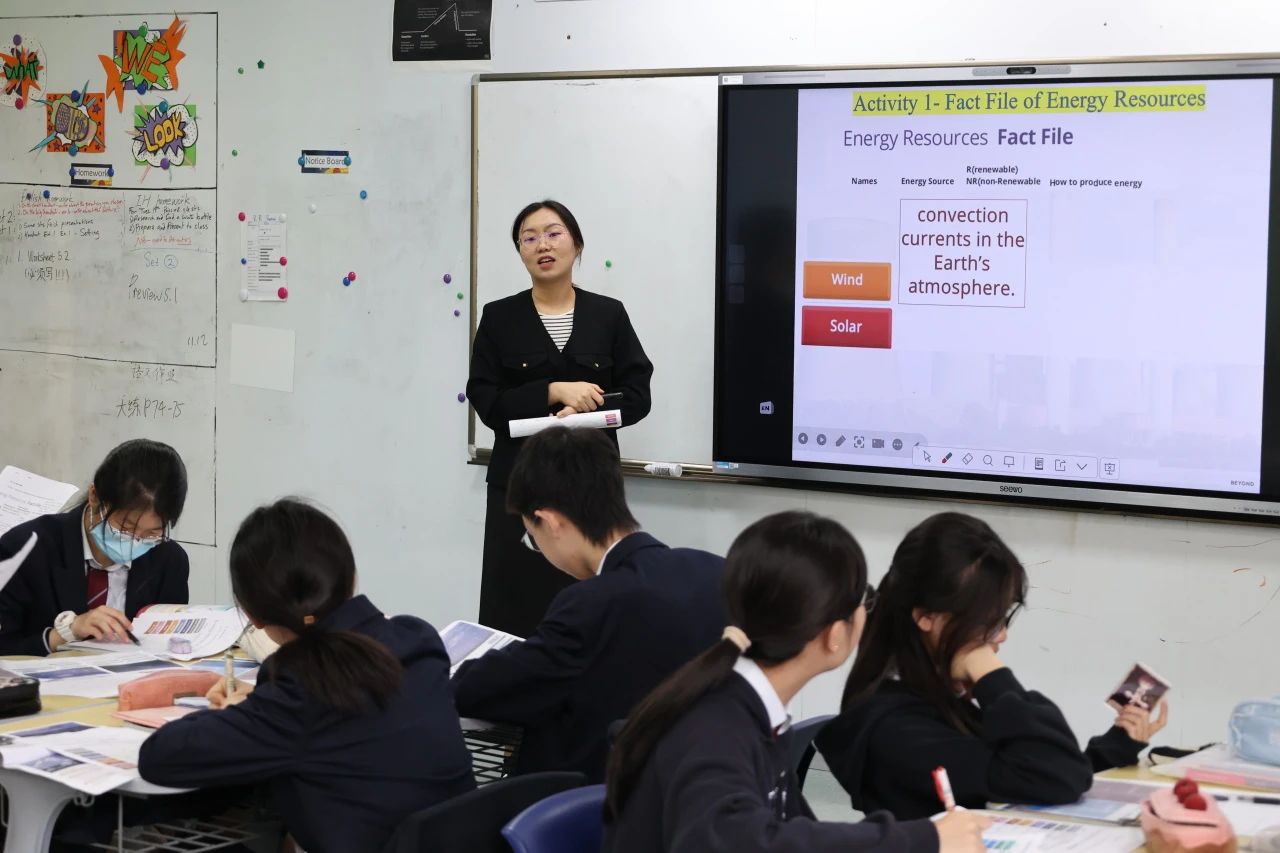 This design made the lesson more engaging and significantly increased student participation. During the lesson, group discussions and case analysis not only helped consolidate students’ knowledge but also enhanced their English communication and critical thinking skills. Students discussed the impact of energy on the environment in English, which strengthened both their language use and logical thinking abilities. Through this demonstration lesson, I have once again recognized the importance of making the content relevant to students’ lives and gradually advancing the learning process. This approach naturally sparks students’ enthusiasm for learning English and motivates them intrinsically.
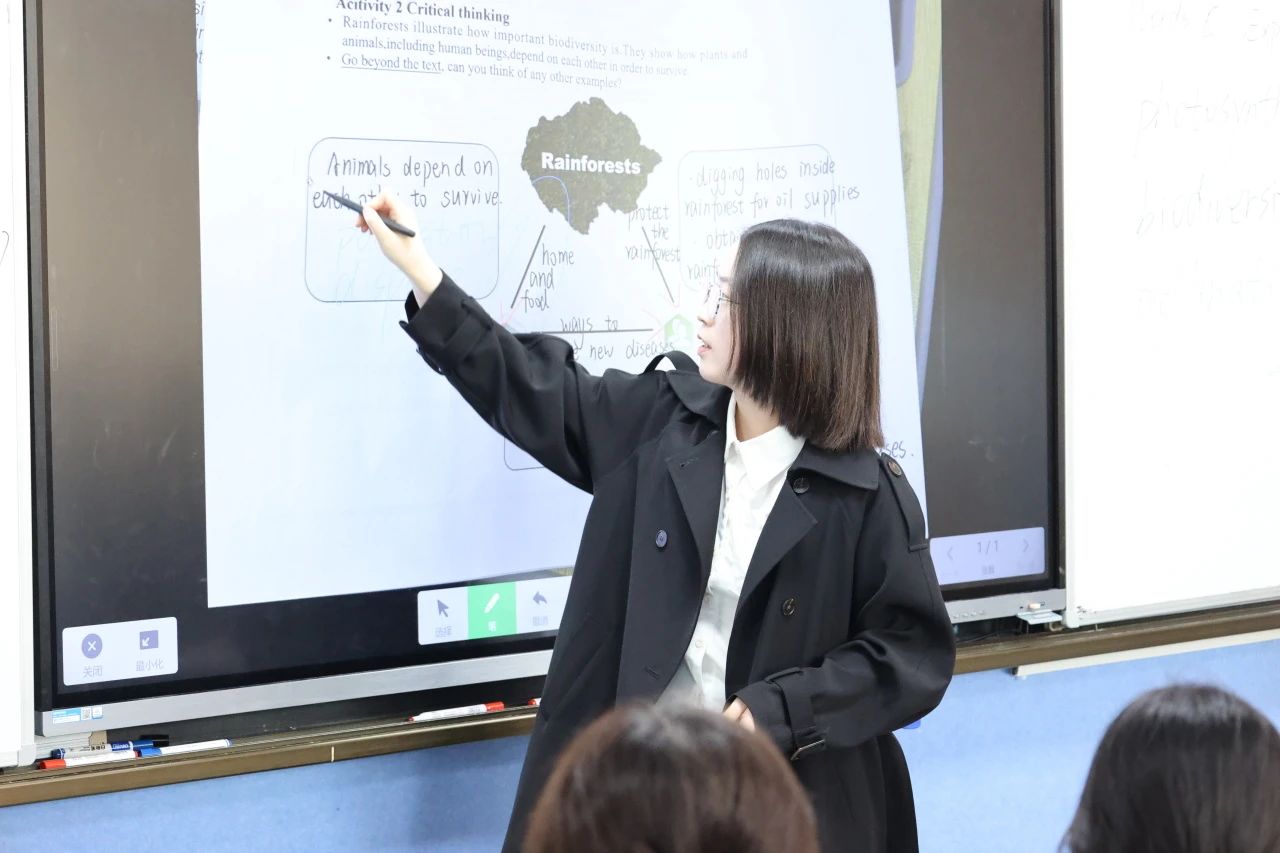
Through reading relevant materials, students gain a comprehensive understanding of rainforest biodiversity and work in groups to conduct collaborative research, culminating in writing speeches that call for global action to protect the rainforests. Throughout this process, students recognize the crucial role of the Amazon Rainforest in maintaining the Earth’s ecological balance, and through classroom discussions, reflect on whether humanity can endure the far-reaching consequences of destroying the “lungs of the Earth.”
Finally, students actively present their research findings and deliver speeches on rainforest conservation. This teaching design not only effectively raises students’ awareness of environmental protection but also enhances their teamwork spirit and public speaking skills.
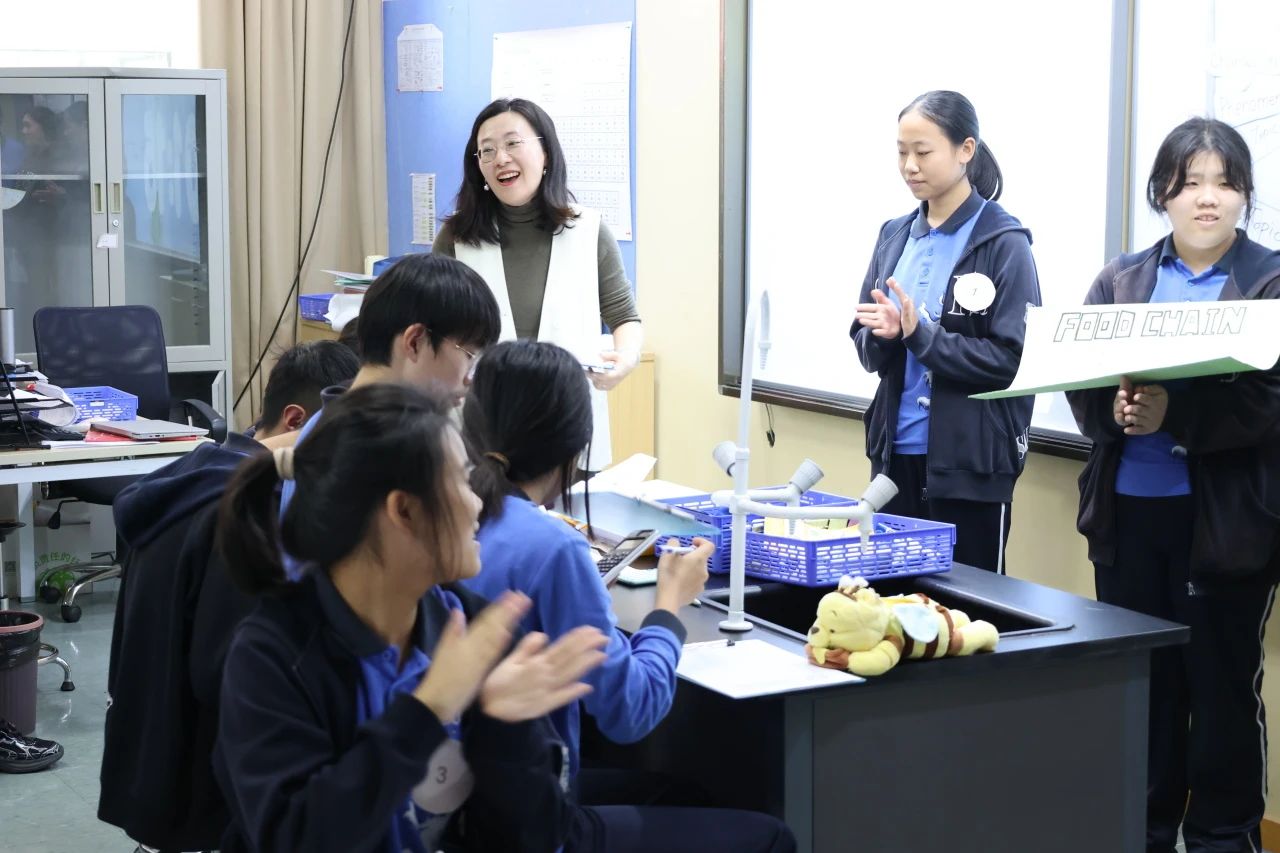
While there were challenges, especially in terms of ensuring scientific accuracy and managing the variety of project formats, the overall experience reinforced the importance of using creative, hands-on assessments that allow students to engage deeply with the content. Moving forward, I plan to refine my approach to continue fostering a more interactive and student-centered learning environment.
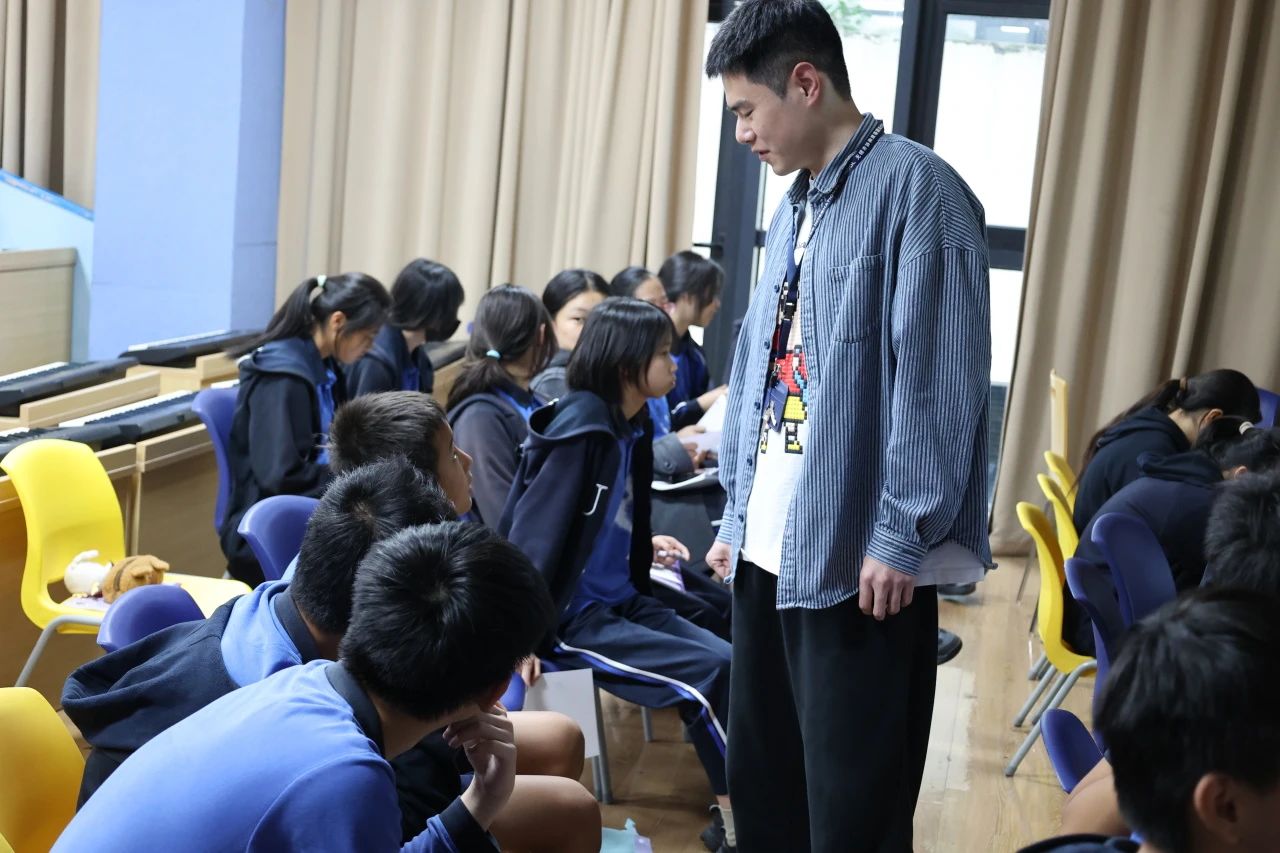
The two teachers’ classes, to varying extents, considered the distinctive features of classical Chinese literature, including its “language,” “writing,” “literature,” and “culture.” They incorporated learning of vocabulary and grammar, as well as the cultivation of moral values and ideals, alongside the appreciation of literary techniques such as word choice and structure. The lessons also touched on aspects of Chinese culture, such as self-cultivation and moral development. Despite being early in their careers, both teachers demonstrated strong teaching fundamentals and a solid foundation, which gives us reason to believe that their futures are promising.
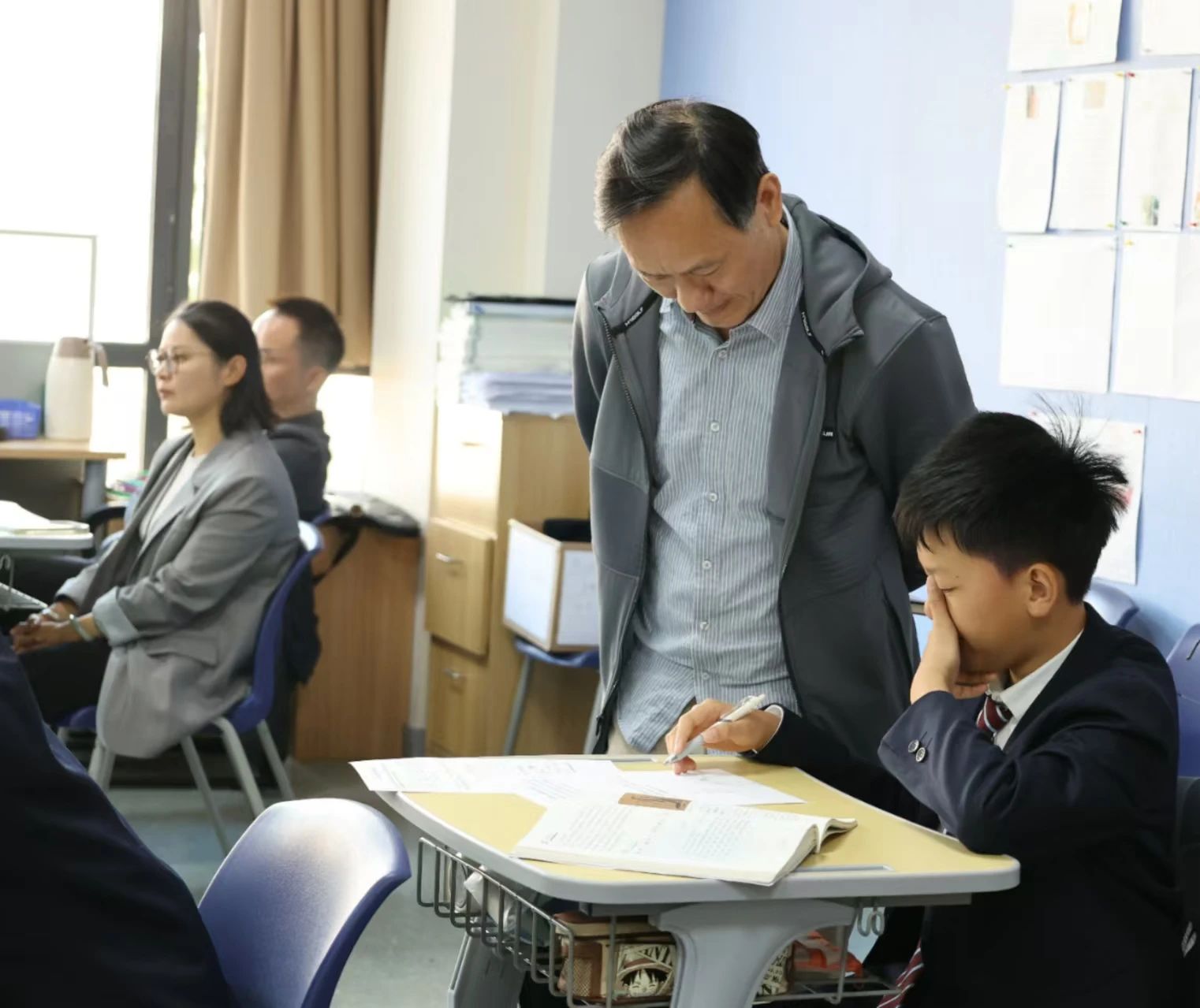
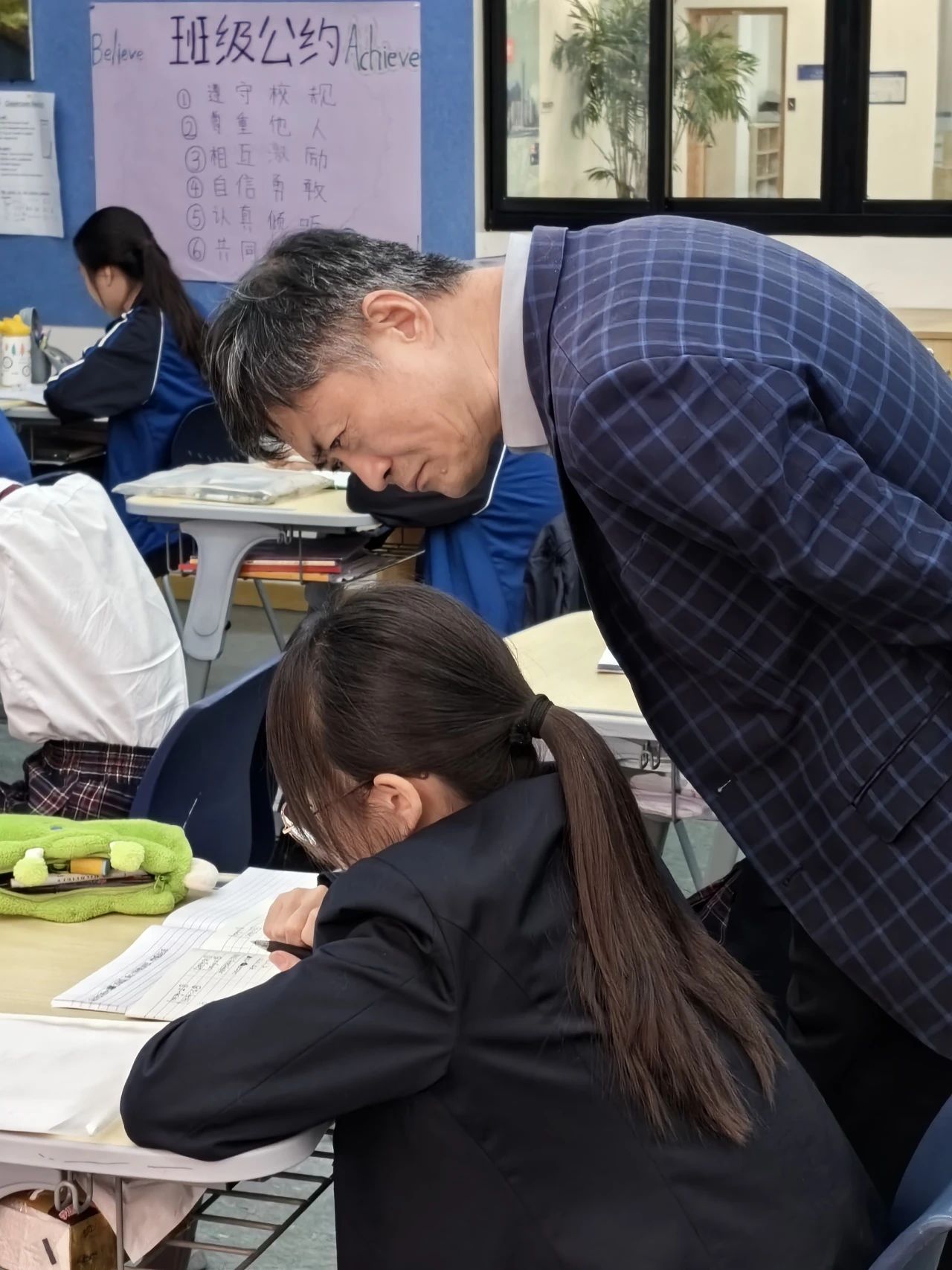 Both young mathematics teachers were able to set up reasonable problem scenarios, guiding students to observe, think, and explore, with both teachers and students summarizing together to reach mathematical conclusions and methods. In the classroom, the teachers paid attention to every student, offering timely guidance and assistance. Students actively participated in the learning activities, creating a lively classroom atmosphere and achieving good learning outcomes.
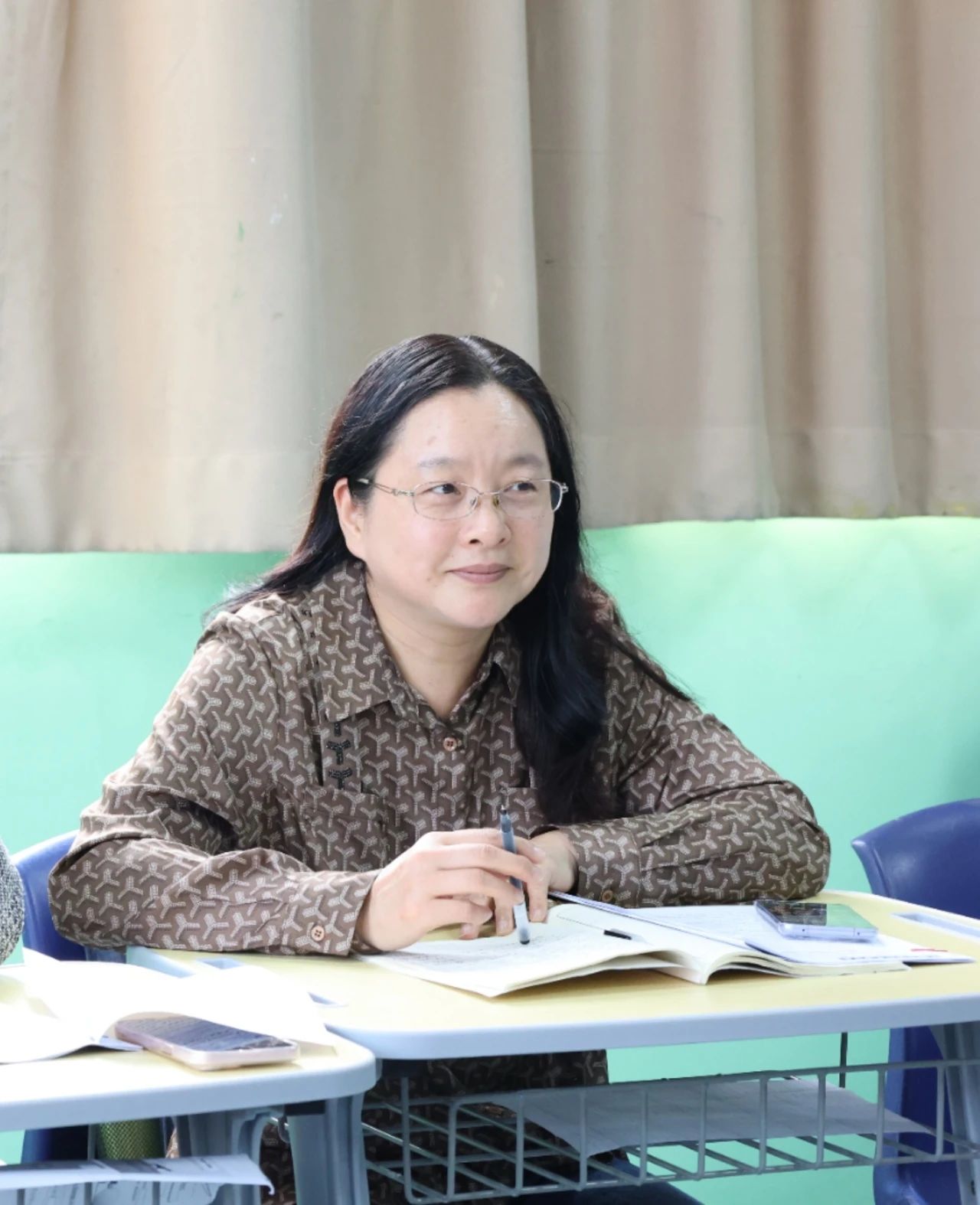 The three lessons are noteworthy for their clear objectives and effective designs.
Iris’s class features carefully selected materials and systematically designed activities that encourage high-level thinking. Ariel’s lesson successfully achieves its objectives, with well-conducted activities and strong student demonstrations, supported by timely teacher guidance. Aled’s lesson is efficient, high-quality, and highly participative, blending lectures with practice, questioning, and student presentations, with the teacher skillfully guiding students toward their goals.
Together, these lessons reflect a well-balanced approach that fosters student engagement and promotes deep learning.
Through expert feedback and reflective teaching, the young teachers gained valuable guidance and insights. Looking ahead, the teachers of the middle school department will continue to uphold the spirit of innovation and progress, working together to create an even better educational environment for students. They will strive to make youth shine on the teaching stage and elevate wisdom in the classroom.