

Every student had the opportunity to showcase their learning outcomes in the classroom, whether through oral reports, poster presentations, or interactive demonstrations. This not only boosts students’ confidence but also makes their learning process more vivid and meaningful.
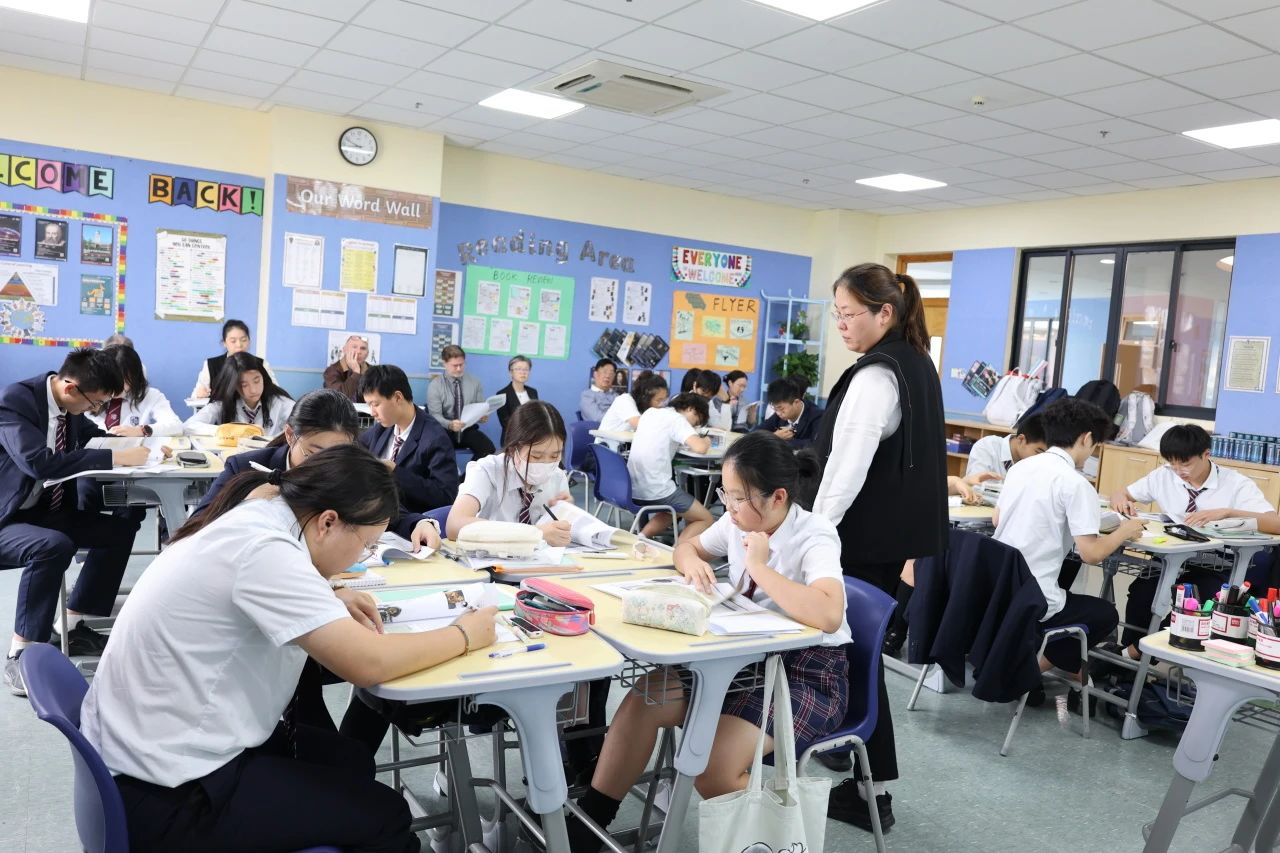 Ms. Karen Zhang’s Grade 9 ESL Lesson focused on reading comprehension in the digital era, Grade 9 students worked collaboratively to explore and visually represent their perspectives. This inquiry-driven lesson encouraged critical analysis, culminating in a gallery walk and differentiated homework.
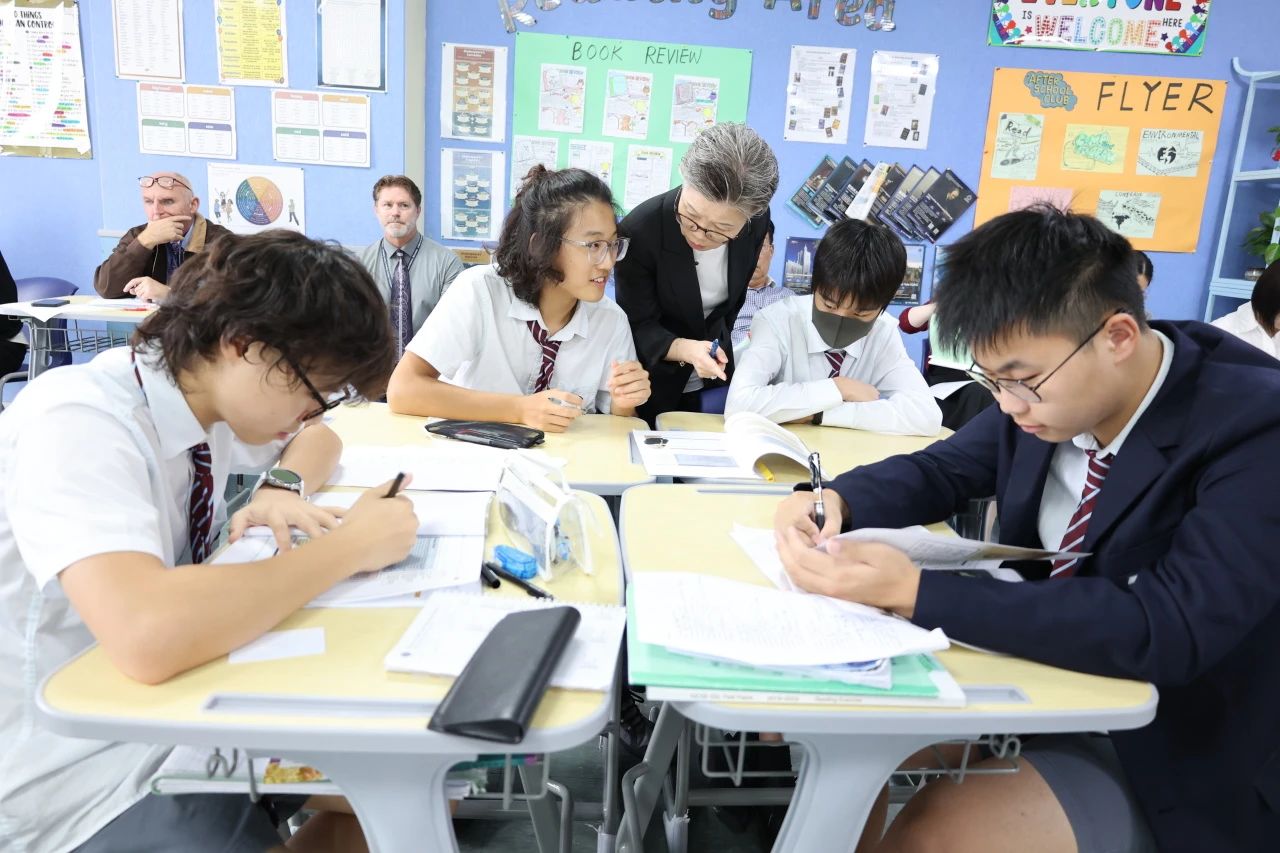 Ms. Candy Hu’s Business Studies Lesson explored cash flow and forecasting, Grade 10 students engaged in inquiry-based learning by working through real-world scenarios. They developed essential business skills through active practice, summarizing concepts to reinforce their understanding.

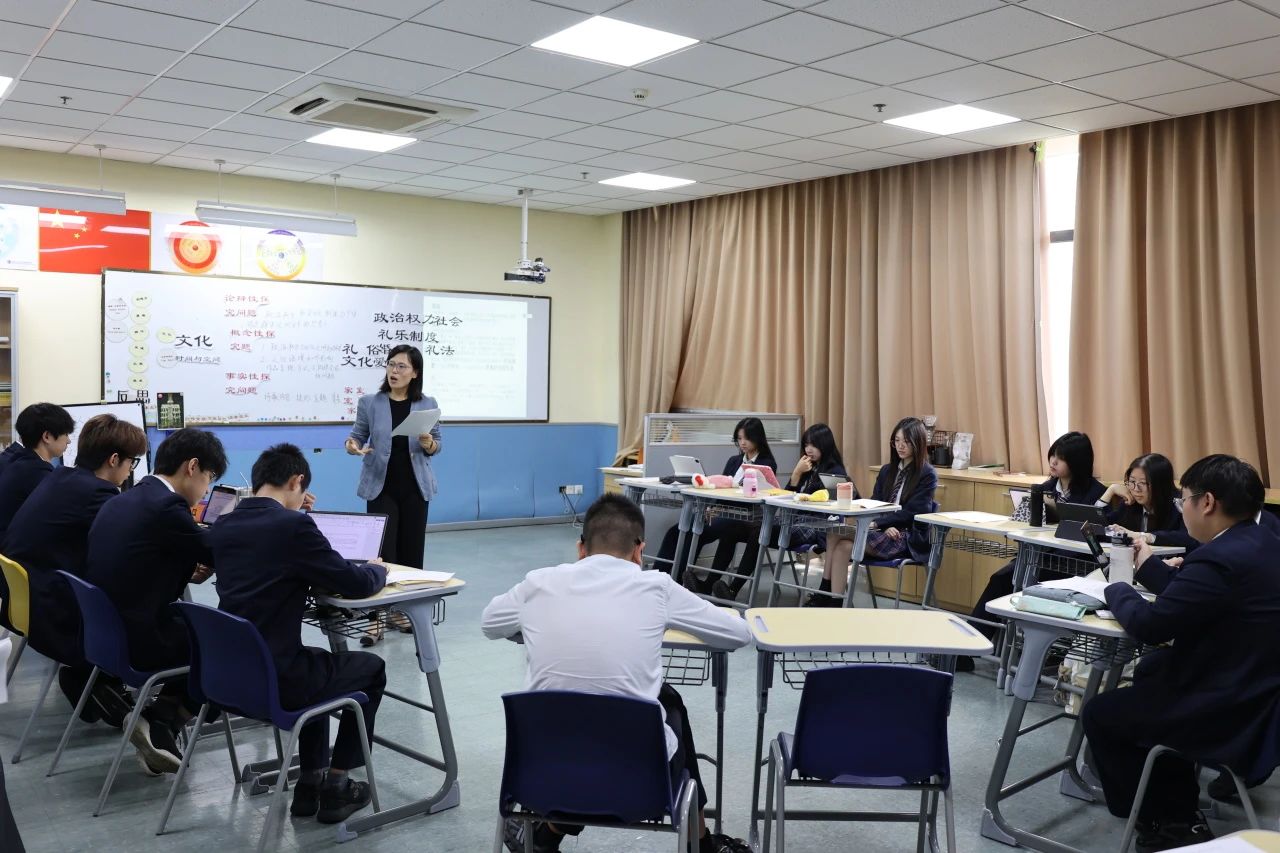
 In the Chinese class, Ms. Nancy Jiang built inquiry questions based on the core concept of “culture” and the content of marriage-themed poems in the “Book of Songs,” completing a concept-driven inquiry-based teaching approach. Under the guidance of the teacher, Grade 11 students explored conceptual questions: How do political and cultural contexts influence the content and presentation of literature?
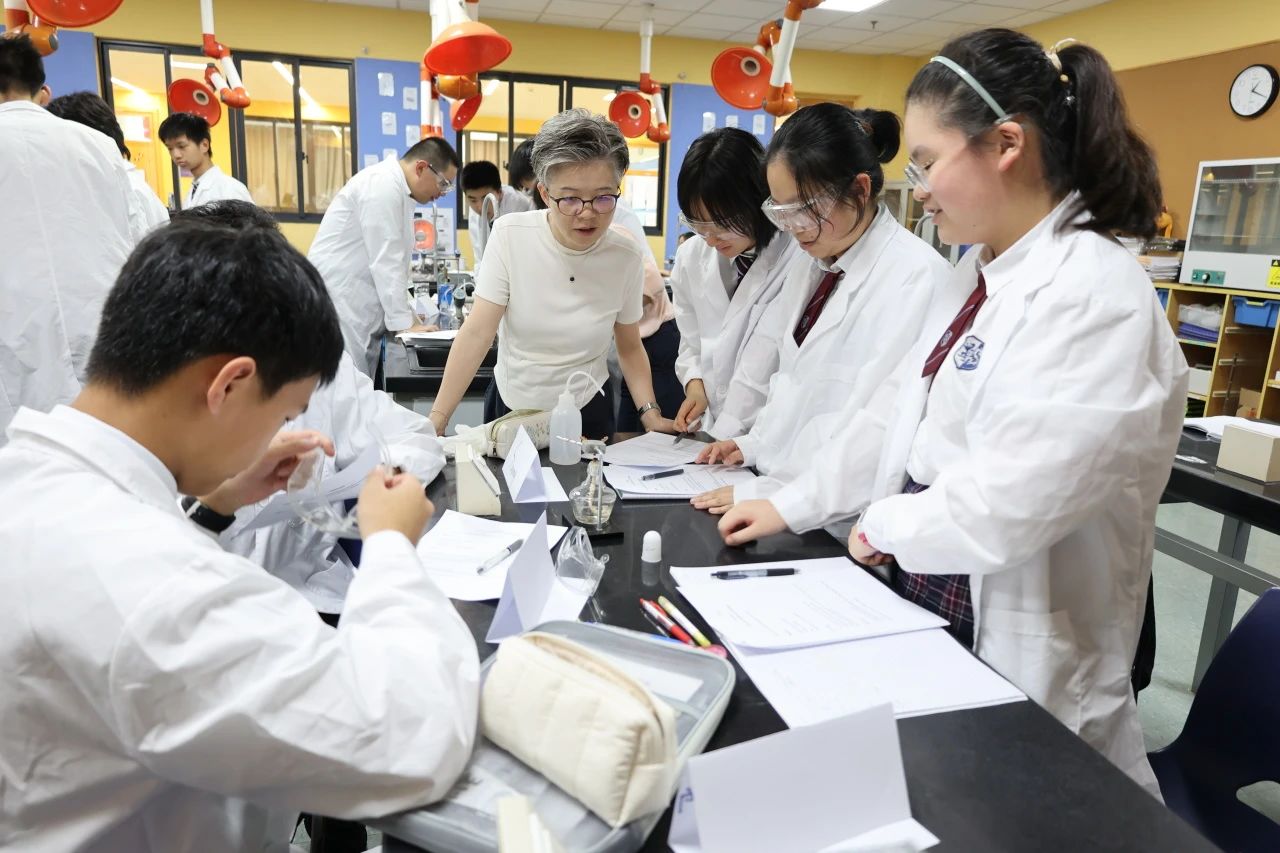
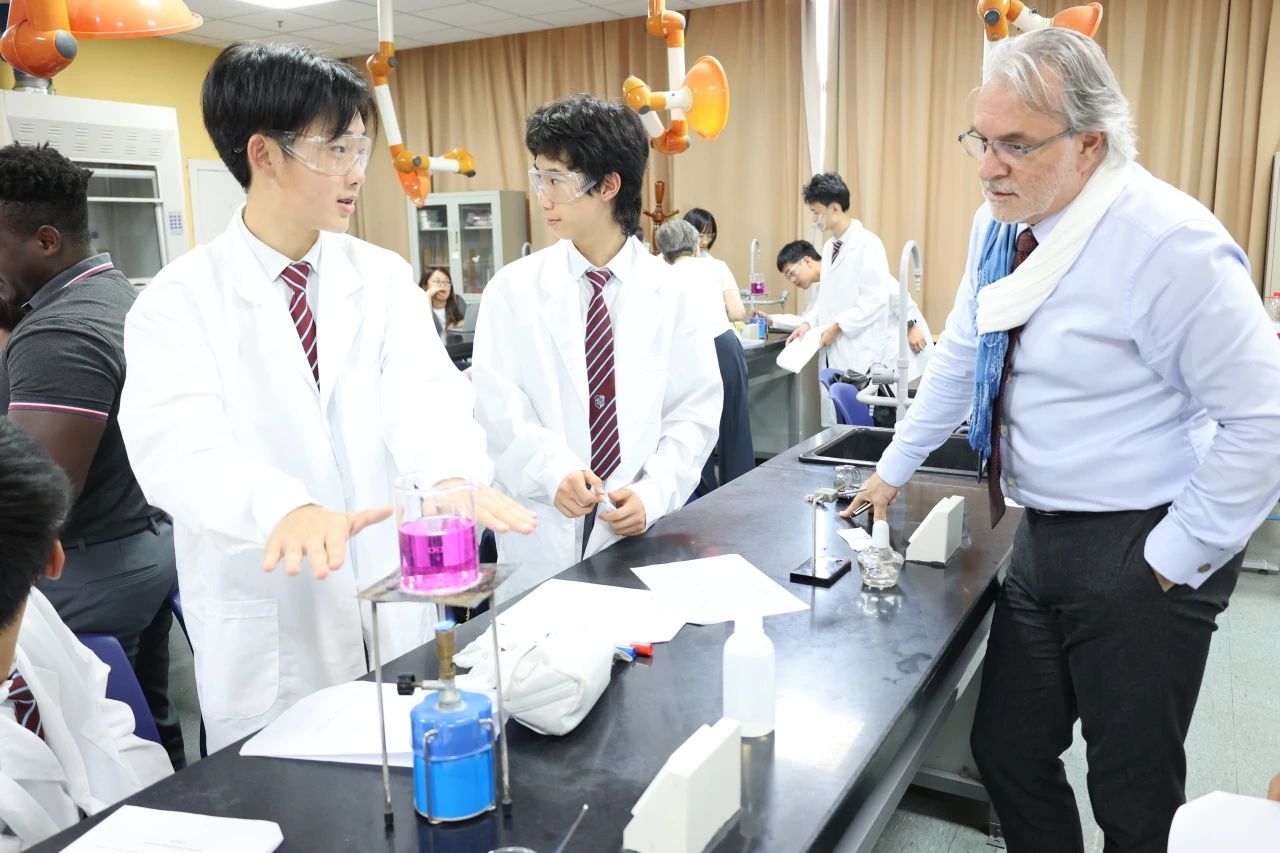
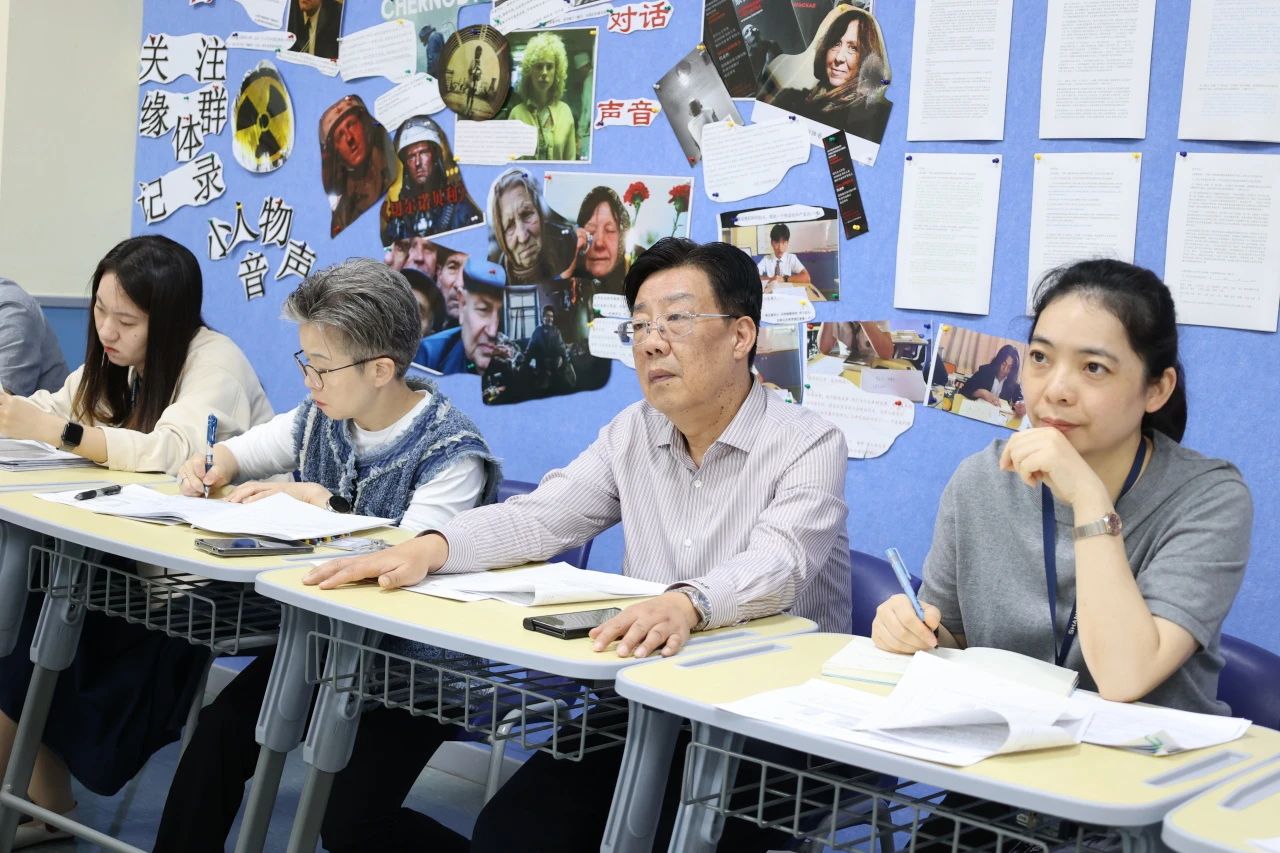 Mr. Dinesh Kurup used an inquiry-based approach to explore heat transfer, Grade 9 students conducted hands-on experiments to observe conduction, convection, and radiation in real time. This immersive experience made abstract concepts tangible and engaging.

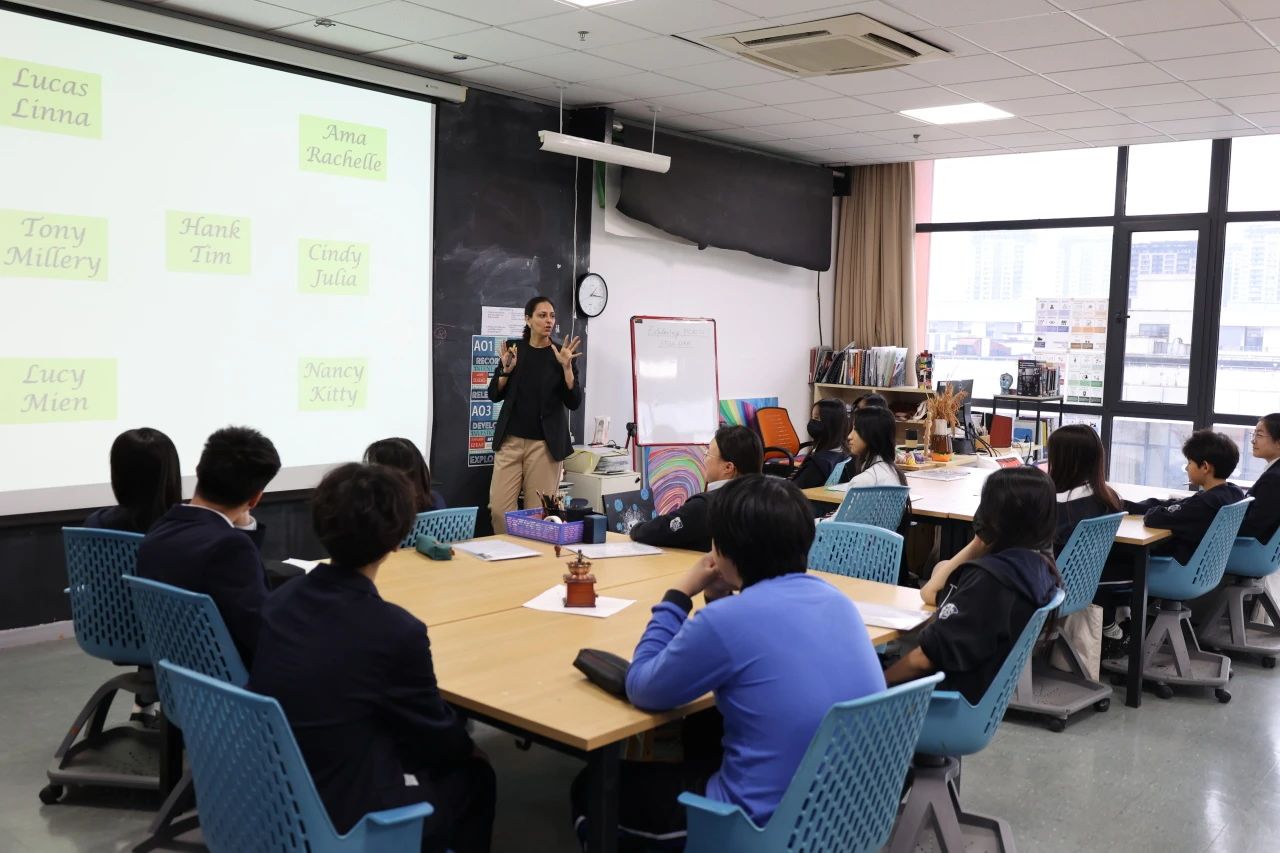
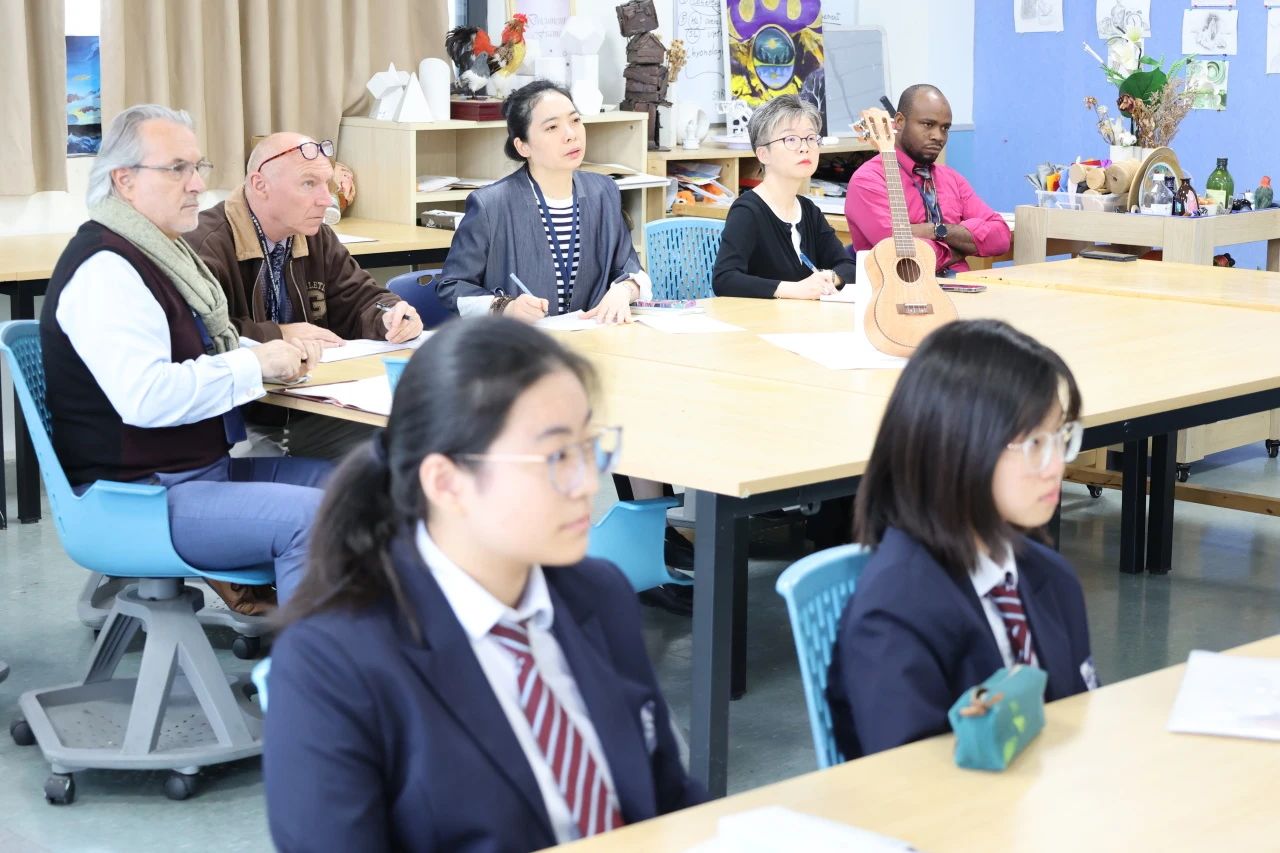
 With Ms. Ketaki Yadiv, Head of the Arts, Grade 9 students analyzed Picasso’s works through the See, Think, Wonder method. The lesson encouraged inquiry and creativity, allowing students to translate Cubist techniques into their own art. Bilingual support and peer learning fostered an inclusive environment for all students.
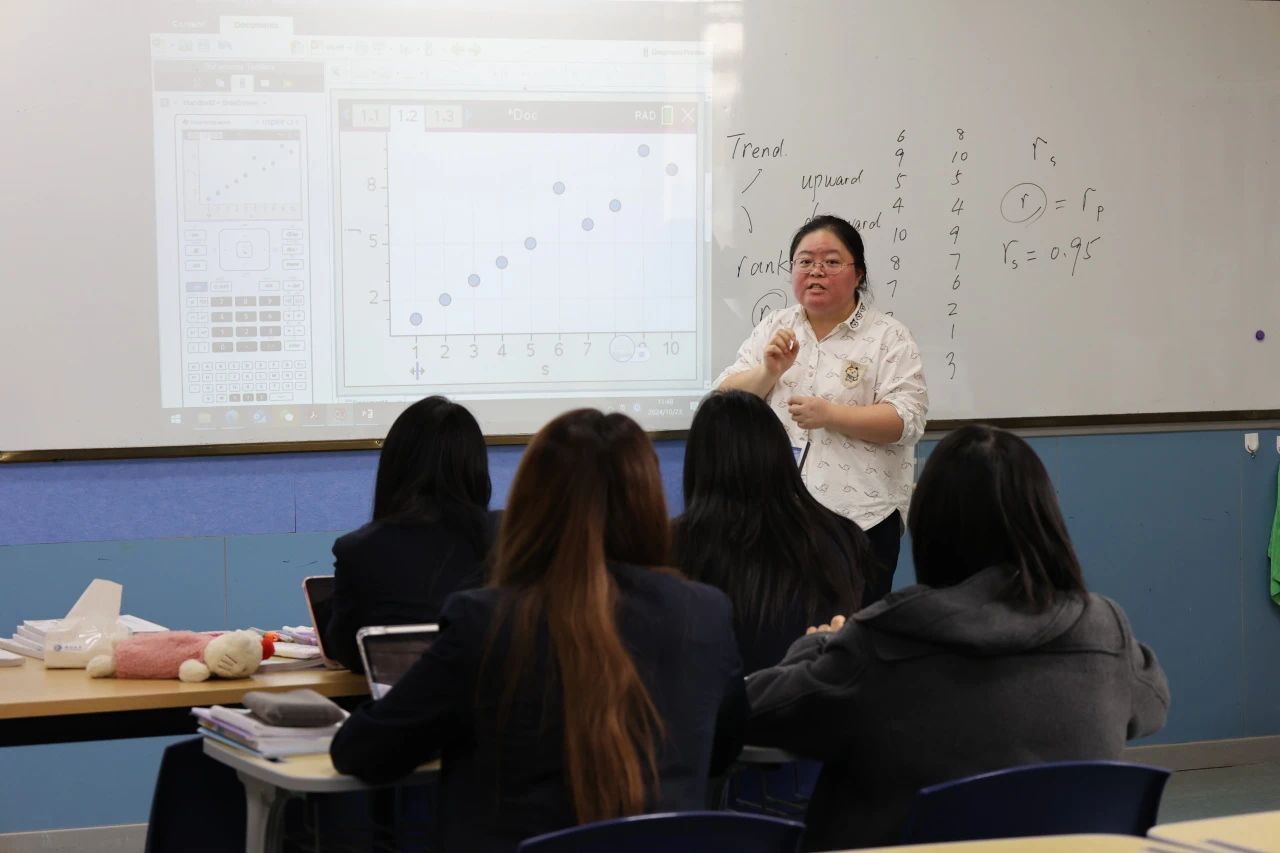
 In Ms. Isa Wei’s Mathematics Class, her Grade 11 Students learned to analyze correlations between nonlinear variables, simplifying complex calculations using graphical calculators. They explored Spearman’s rank and Pearson’s correlation, reinforcing mathematical inquiry and real-world application skills.
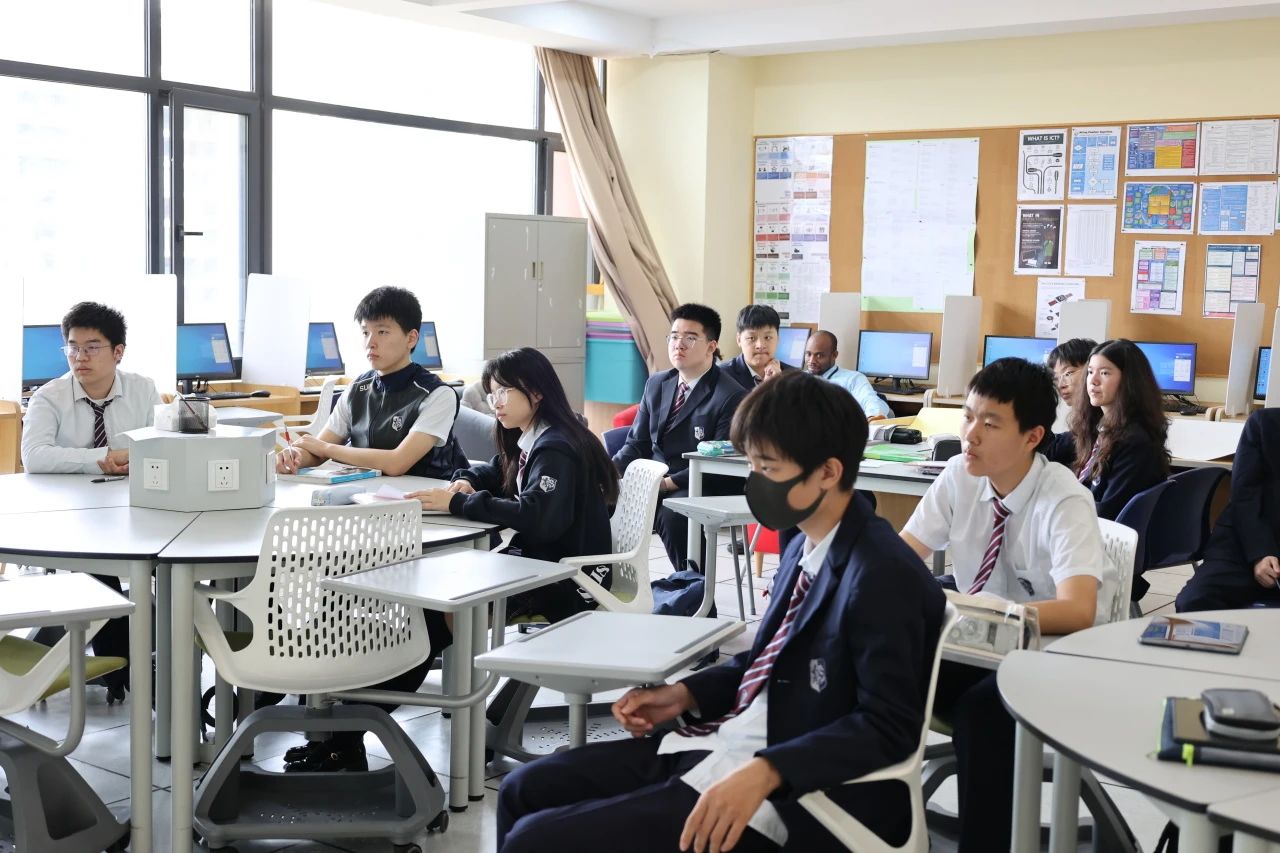
 Ms. Kruthika’s Data Transmission lesson led her Grade 9 Students to tackle the question of how data transfers between devices in collaborative groups, with each member contributing through designated roles. Following group presentations, a differentiated formative assessment allowed students to deepen their understanding at their own pace.

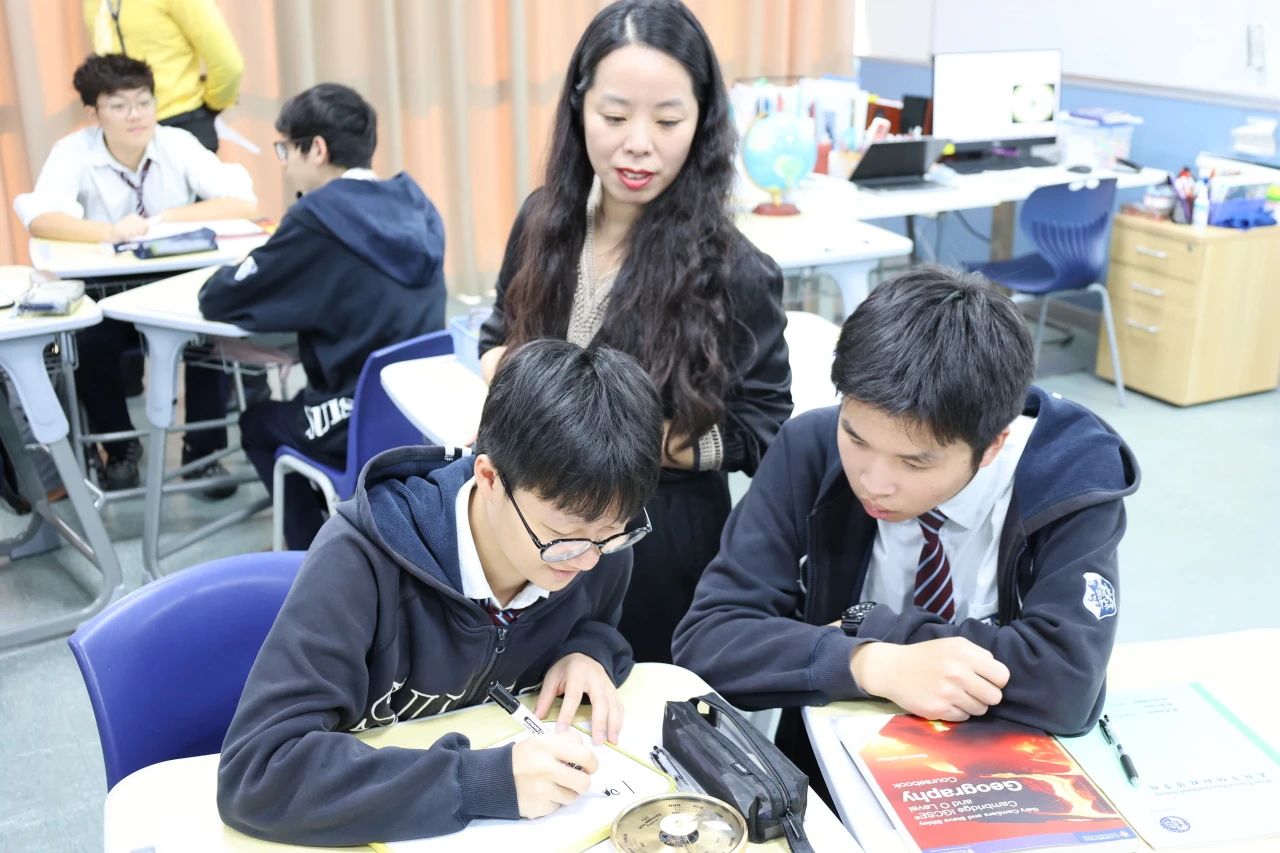
 At Ms. Sue Pan’s IGCSE Geography lesson, Grade 10 students delved into the key concepts of Air Pressure, exploring its mechanisms and how it influenced weather patterns. Students learned to define air pressure, understood its measurement using barometers through Hands-on activity with barometers. The lesson differentiated between high and low pressure weather systems, examining the contrasting conditions they created.
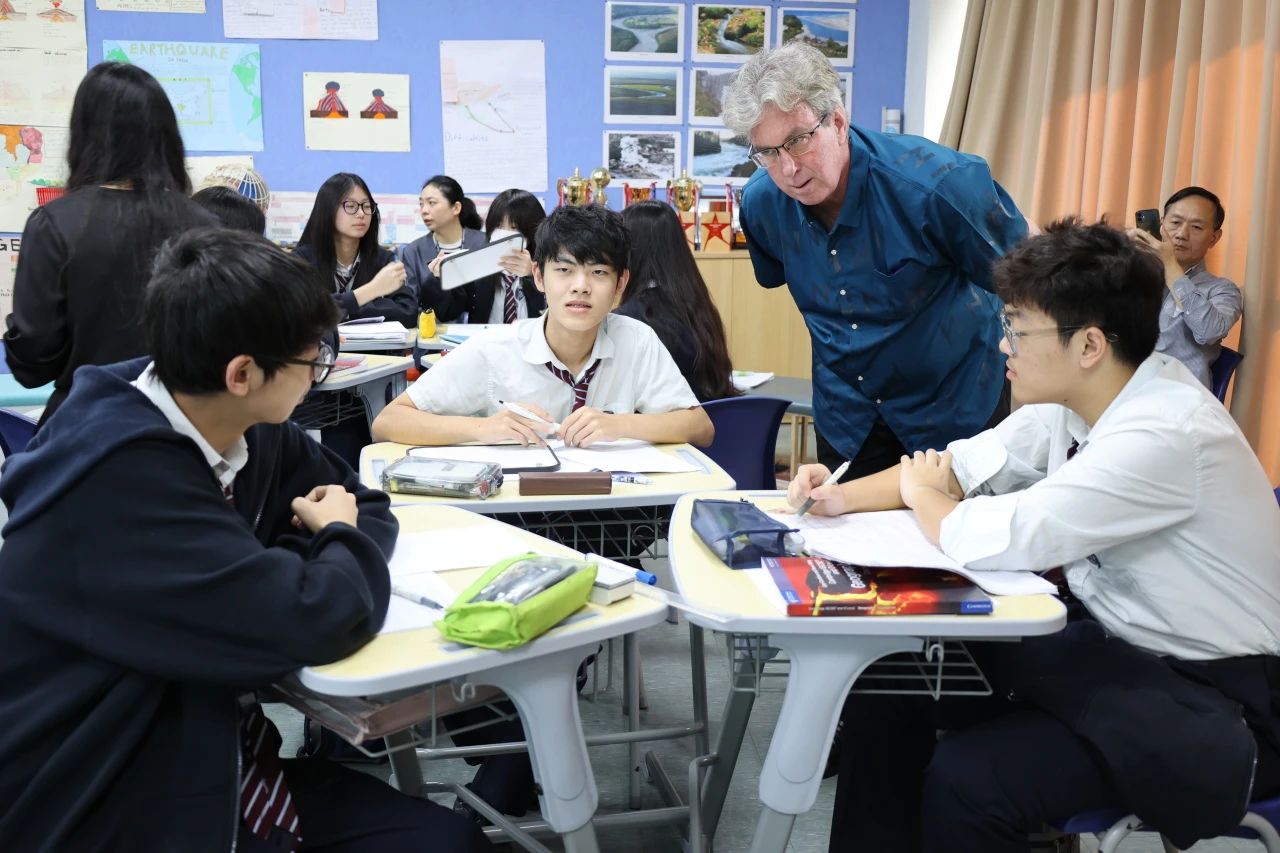 Our teaching strategies go beyond textbook knowledge, focusing more on cultivating students’ critical thinking and problem-solving abilities. Teachers inspire students’ creativity and spirit of exploration through diverse teaching methods such as group discussions, role-playing, and project presentations.During the lessons, WUIS teachers skillfully combined theoretical learning with practical operations, allowing students to understand abstract concepts through hands-on activities. Through a variety of teaching activities such as group discussions, experimental demonstrations, and role-playing, students not only acquired knowledge but also honed their teamwork and critical thinking skills. Outside the classrooms, WUIS teachers also paid special attention to the presentation of learning outcomes, allowing every student to see their progress and growth through immediate feedback and showcases.
Every class is a process of enlightening the mind; let’s look forward to the exciting lessons in November!