

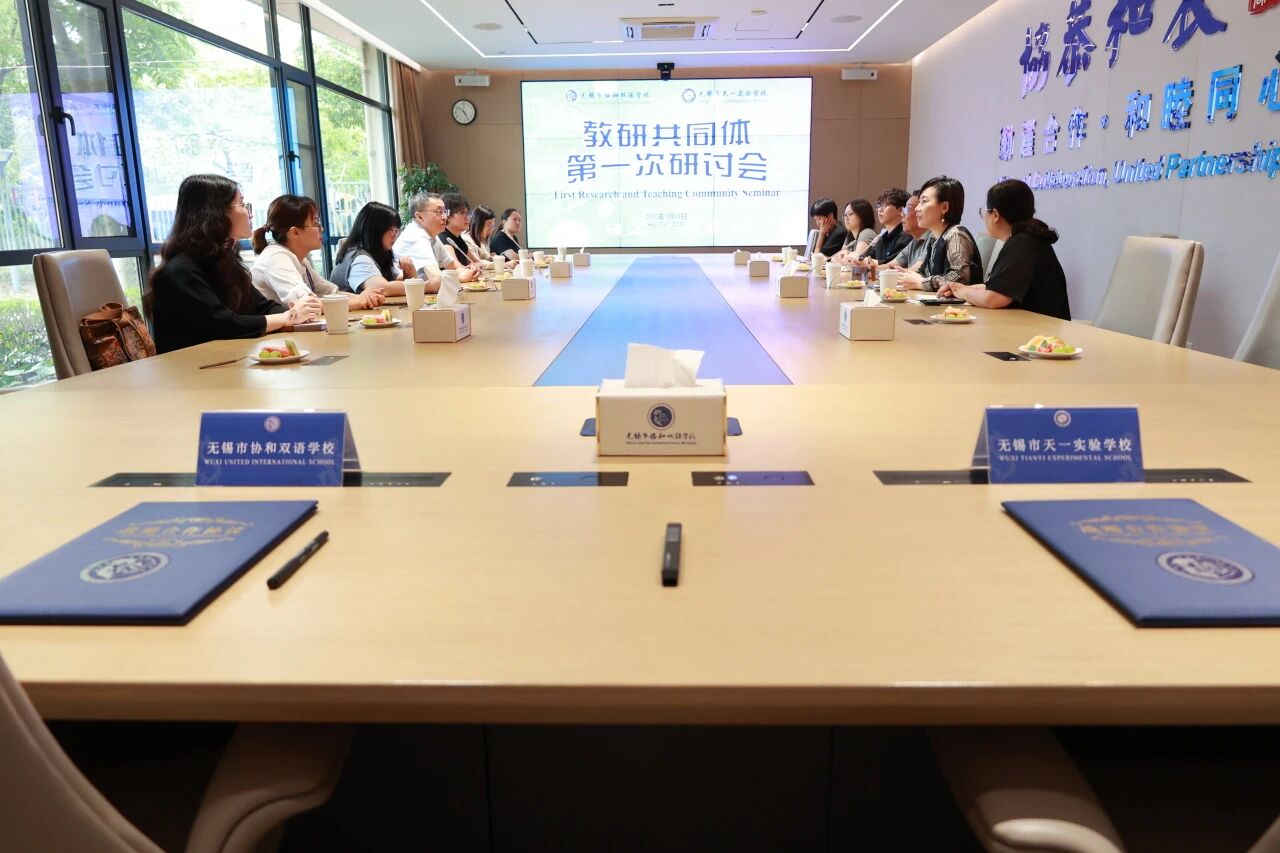
During the visit, the two schools officially launched their Teaching and Research Community and held their first joint professional learning session. A Memorandum of Understanding on Teaching and Research Collaboration was also signed, marking the beginning of a new chapter in inter-school cooperation.
 01 Moving Forward Together
Going forward, the two schools will uphold the principles of mutual trust, complementary strengths, resource sharing and collaborative development. With classroom teaching at the core and teachers’ professional growth as a key foundation, they will work to establish a regular, sustainable model of inter-school teaching and research collaboration.
“Rooted in the classroom, centred on teachers, connected through research, and guided by student development.”
This is the shared commitment of both schools and the central purpose of the Teaching and Research Community.
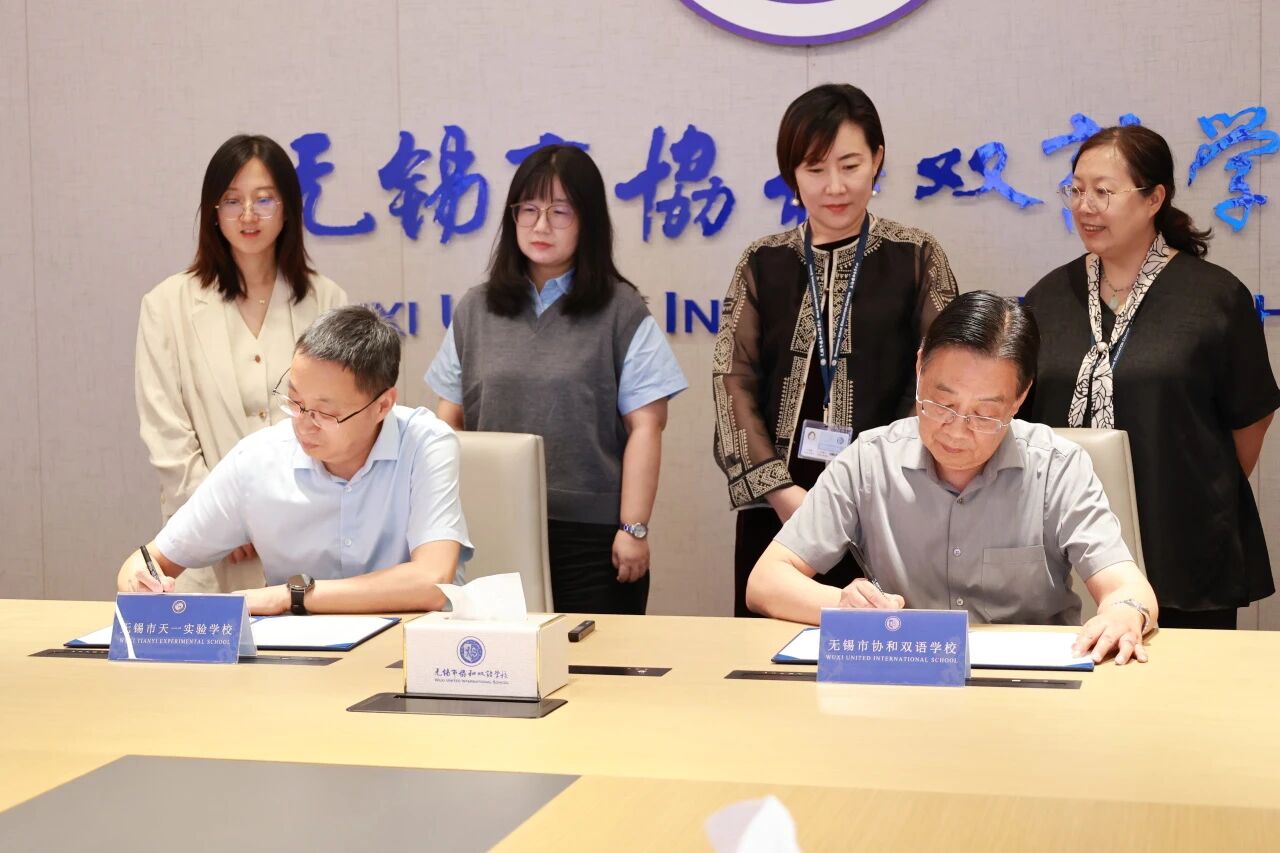
Representatives from both schools then signed the Memorandum of Understanding on Teaching and Research Collaboration, officially marking the establishment of the Teaching and Research Community.
 02 Learning from Classrooms, Sharing Professional Wisdom
Focusing on curriculum standards, textbook study, unit planning, homework design and assessment, the two schools will carry out joint professional learning through thematic seminars, collaborative lesson planning and other forms of shared inquiry. Activities such as parallel lesson studies, open classes, classroom observations and peer feedback will also bring professional dialogue directly into everyday teaching practice.
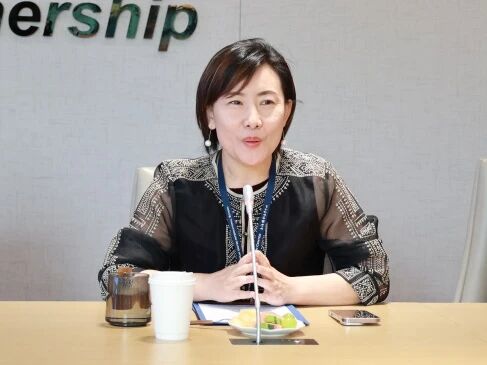
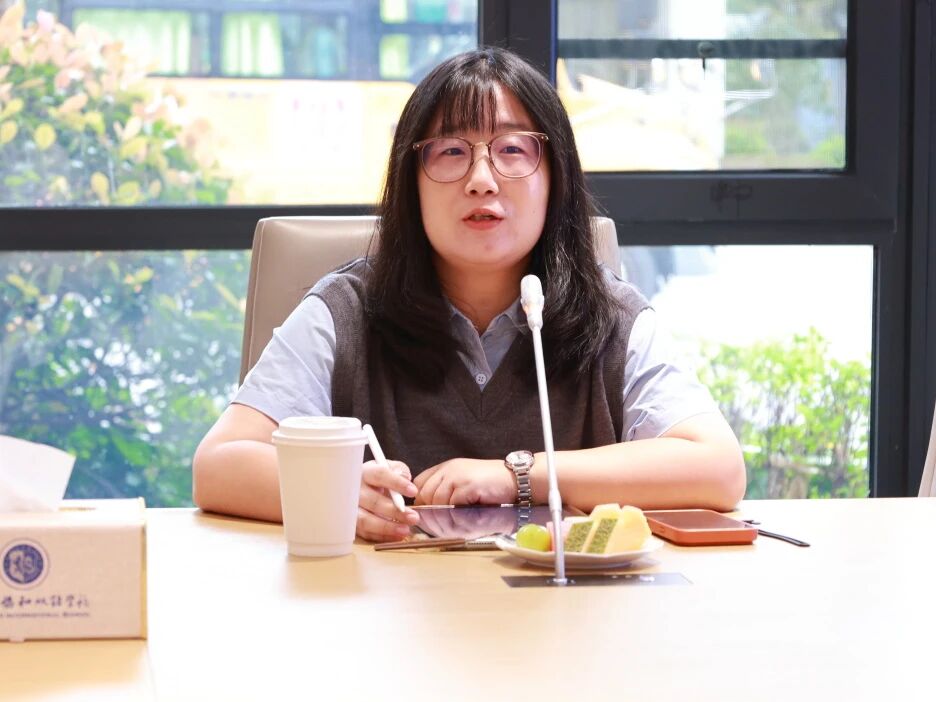
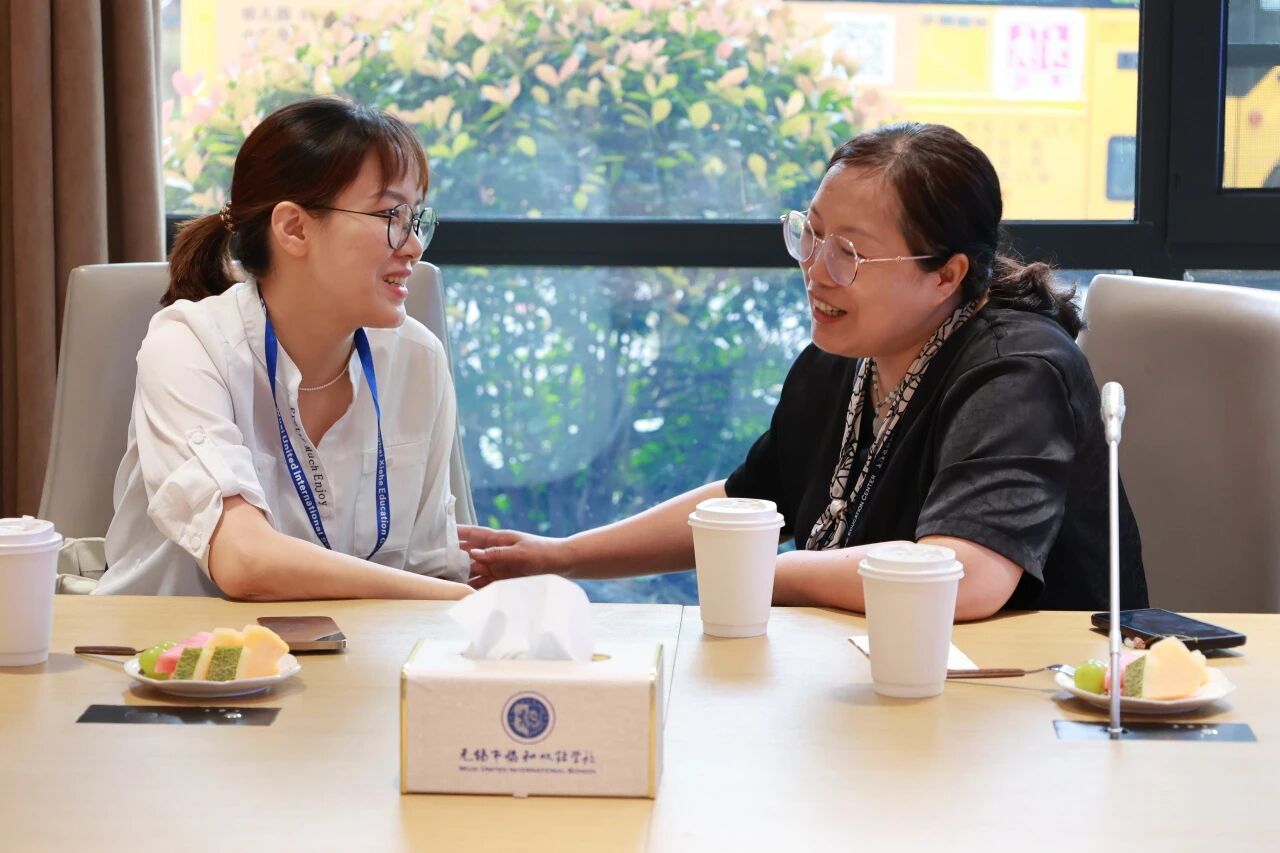
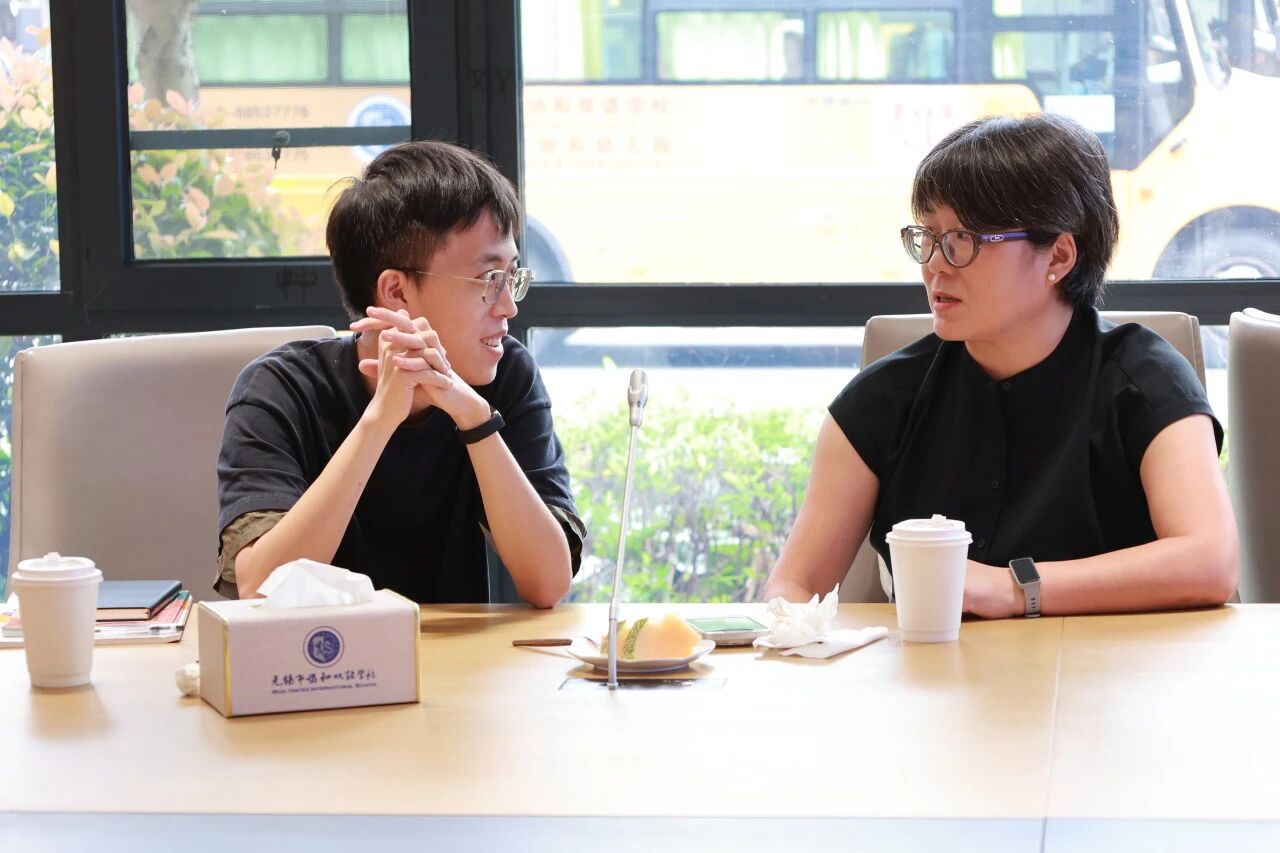
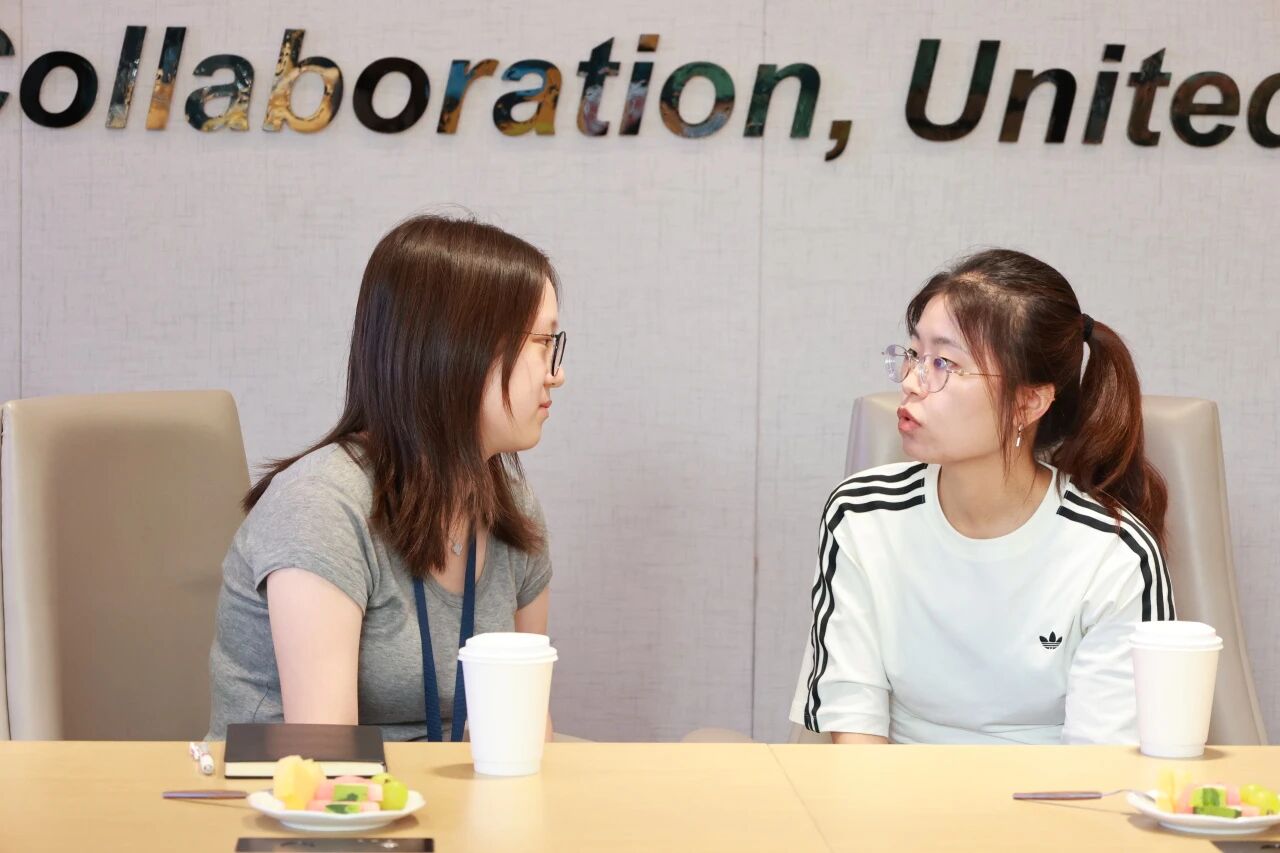
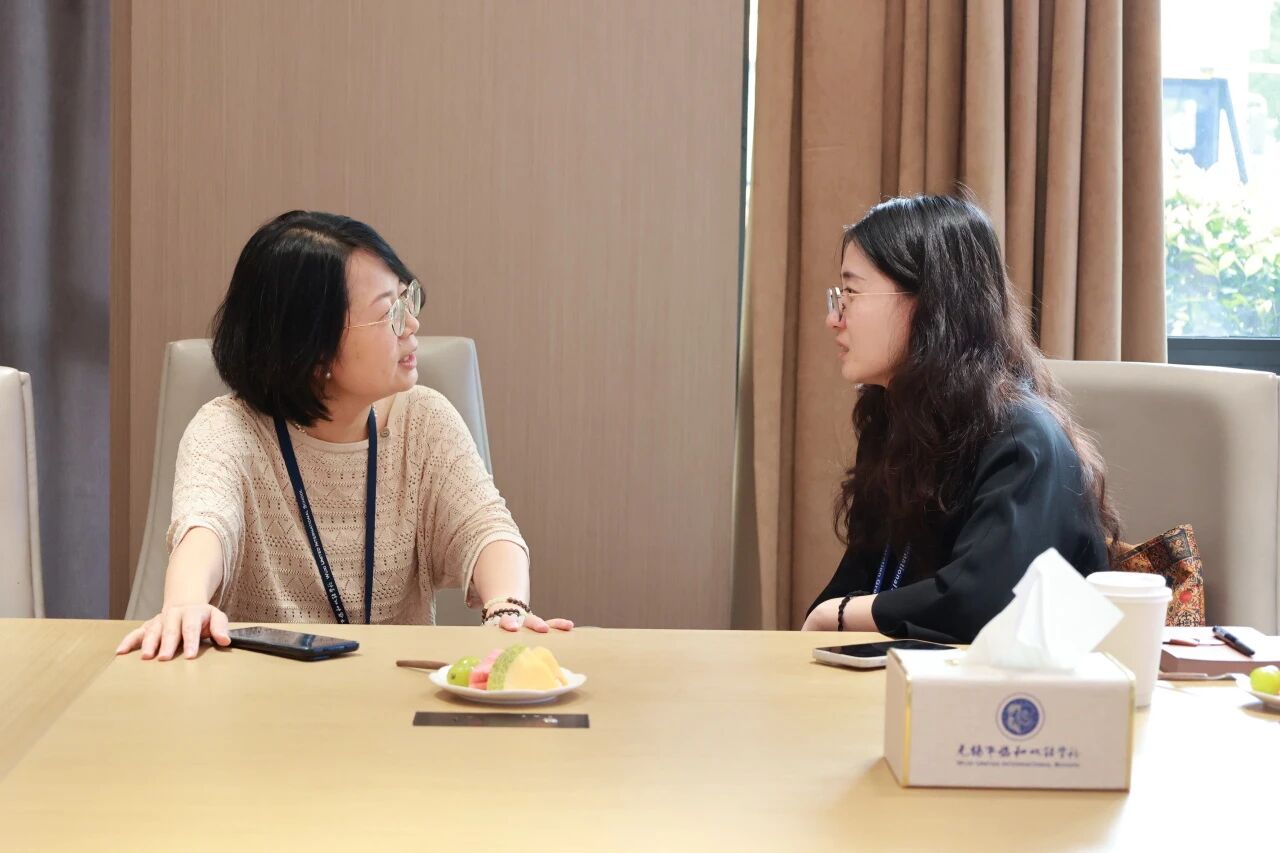
During the meeting, subject leaders from both schools also exchanged views on the realities of teaching within their respective disciplines. Their discussions covered areas including teaching progress, classroom implementation, examination preparation and teacher development, laying the groundwork for closer and more regular subject-level collaboration in the future.
For subjects such as Geography, History, and Morality and Law, the two schools will further strengthen the role of experienced teachers in mentoring younger colleagues. They will explore approaches such as teacher partnerships, collaborative lesson planning and school-based observation to help early-career teachers build stronger experience in both classroom teaching and examination preparation.
The partnership will also extend to areas including the school-based implementation of the national curriculum, Zhongkao reform and curriculum development. WUIS will, in turn, share its experience in English language education, international-mindedness, project-based learning and interdisciplinary learning, allowing the different strengths and practices of both schools to become valuable resources for mutual learning.
 03 Shared Vision, Shared Commitment
He noted that, as schools respond to new curriculum standards and new textbooks, teachers can learn from one another through practical areas such as curriculum interpretation, lesson planning, classroom teaching and homework design, drawing on each other’s strengths to improve the implementation of the new curriculum.
He also recognised WUIS’s experience in international programmes, diverse student pathways and East–West educational integration, which brings a valuable additional perspective to the partnership.
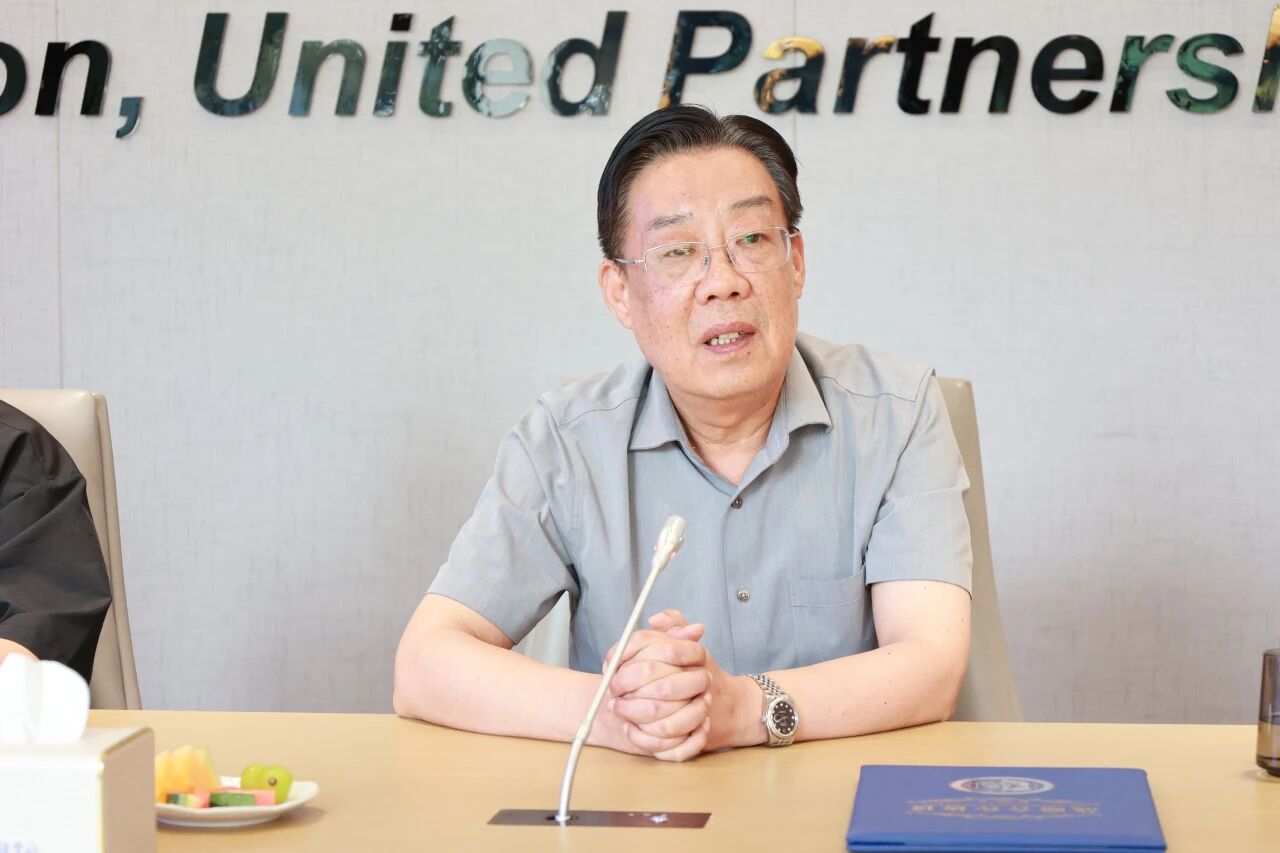
Quoting the saying, “If you want to go fast, go alone; if you want to go far, go together,” Principal Hu expressed his hope that sustained collaboration would support the continued development of teachers in both schools and help both communities move forward with greater confidence and strength.
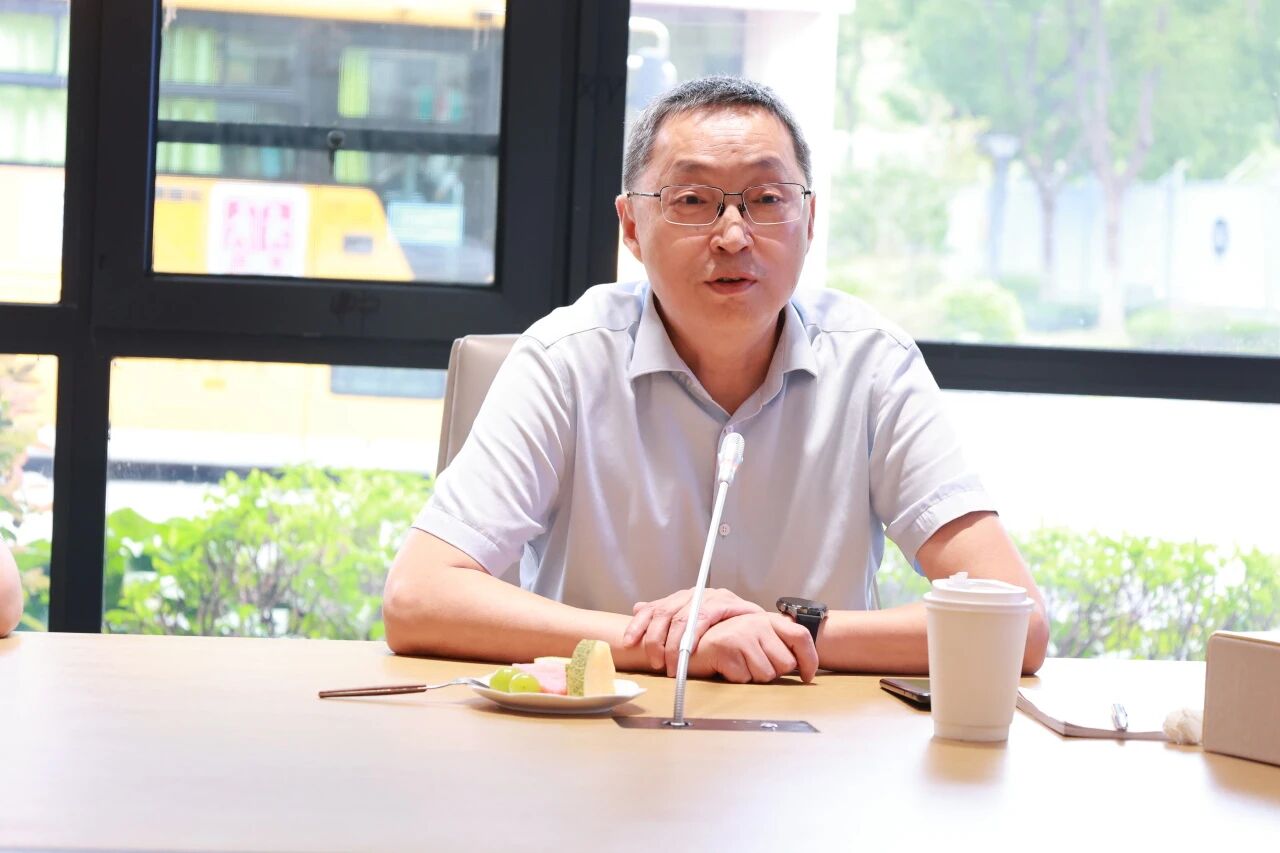 Co-Principal Meng Xiaodong summarised WUIS’s expectations for the partnership in three phrases: progress through shared inquiry, resources through difference, and long-term impact through continuity.
He explained that WUIS currently follows a dual-track curriculum model, providing different pathways in response to the diverse needs and aspirations of students and families. The differences between national and international education in curriculum structure, approaches to learning and assessment can themselves become valuable opportunities for mutual learning.
For the school’s Bilingual Middle School Programme, WUIS will continue to develop a distinctive pathway firmly aligned with the Chinese national curriculum and domestic progression routes, while retaining strengths in English, international-mindedness, project-based learning and interdisciplinary inquiry.
The goal is clear: to ensure that students build strong academic foundations while developing an international perspective, with both dimensions embedded in everyday classroom learning.
 After the meeting, the delegation from Tianyi Experimental Education Group toured the WUIS campus. With the two schools located not far from one another, this partnership opens up even more possibilities for educational exchange and collaboration.
One lesson, shared inquiry. One journey, shared growth.
From today’s handshake onward, we look forward to the two schools continuing to inspire and learn from one another through meaningful teaching and research, bringing more high-quality educational resources into the classroom and, ultimately, to every student.