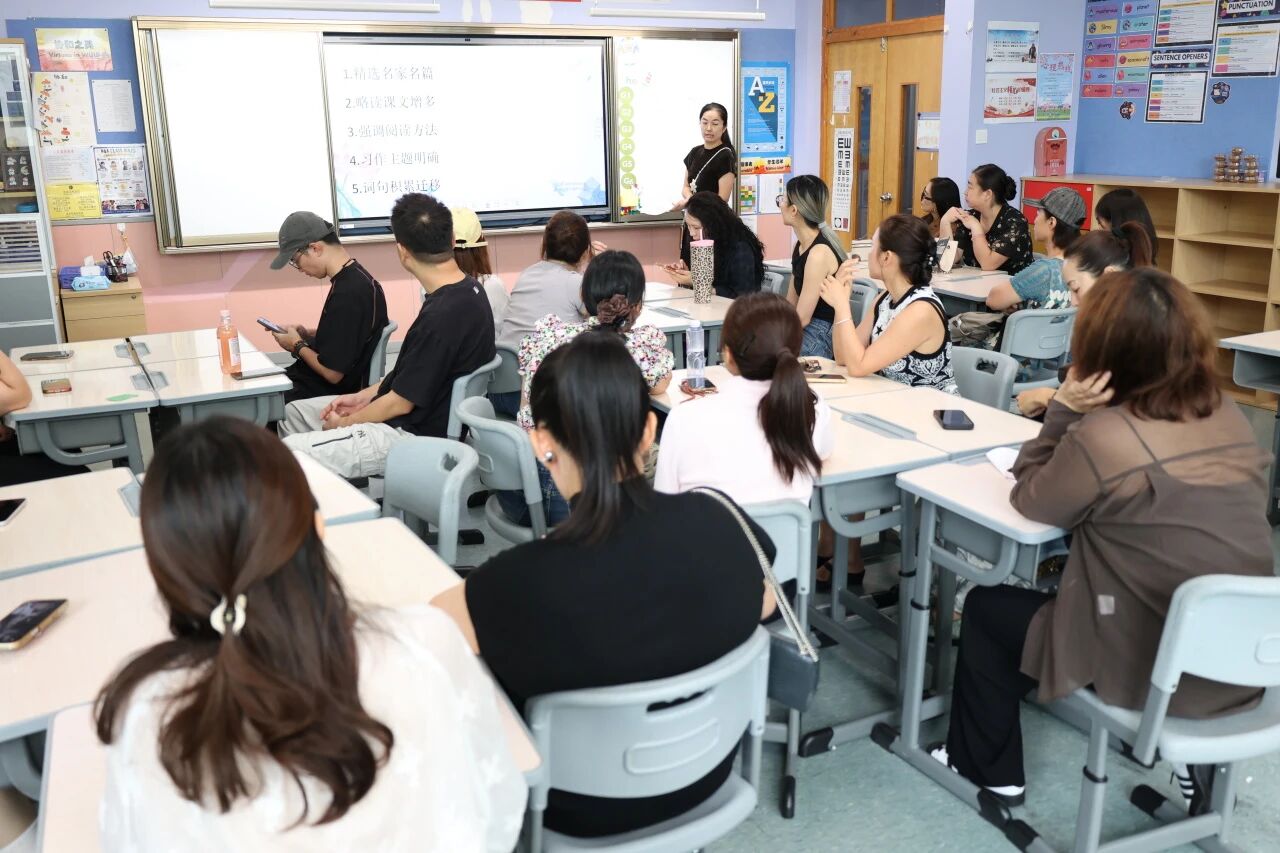
On September 11, parents and teachers gathered for the WUIS Primary School Parent Meeting. From the theatre to the classroom, the conversation returned to what matters most: the child.
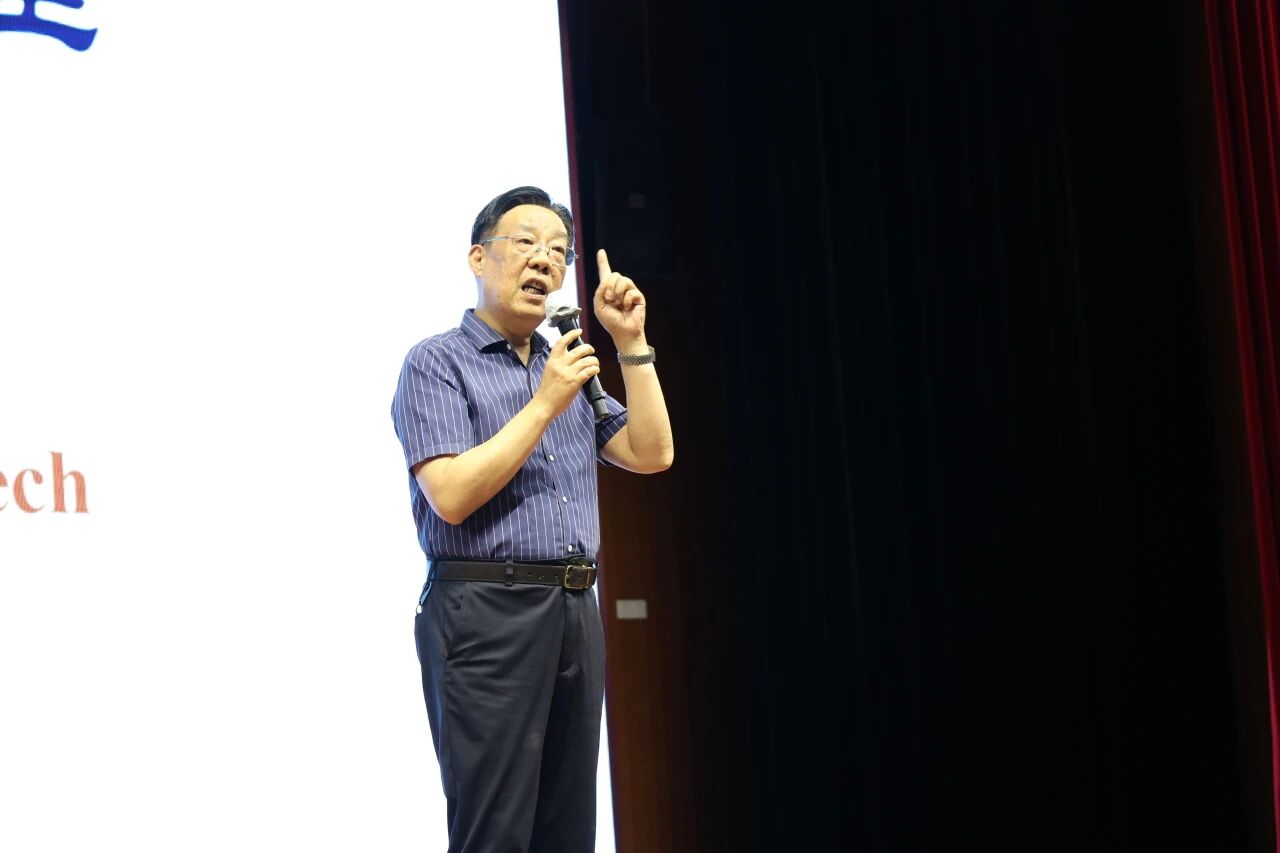
At the beginning of the parent-teacher conference, Principal Meng Xiaodong delivered the opening remarks.
From the newly renovated Whale Pool and Helo Square to the cherry blossoms and revamped dormitories on campus, the new academic year has quietly brought changes to the school. Principal Meng began with these visible transformations: while the school’s infrastructure continues to improve, more importantly, its curriculum and educational approaches are also advancing.
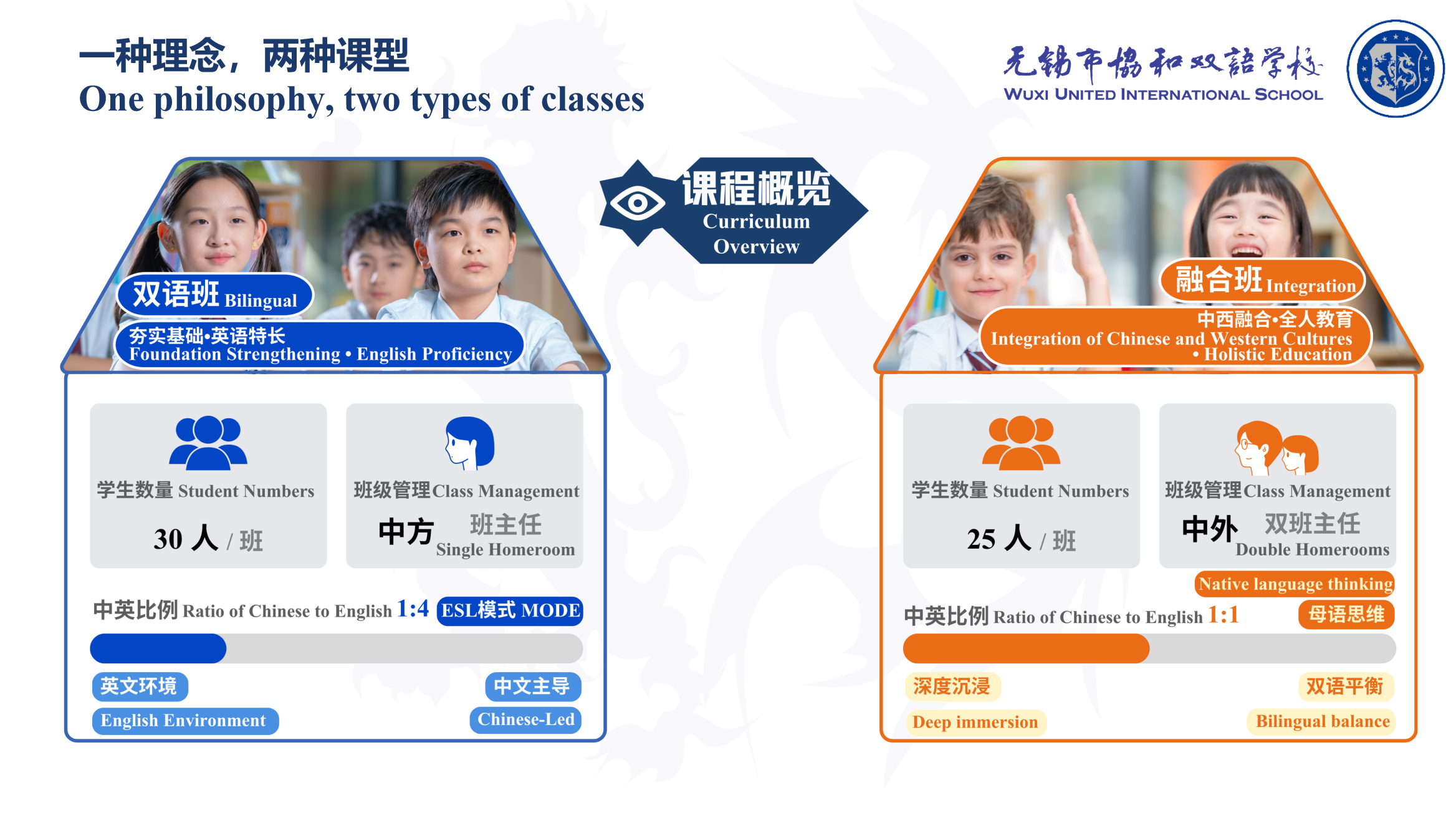
Faced with the contradiction between the infinite growth of knowledge and the limited time for learning, what kind of knowledge is most valuable, and what do children truly need to acquire? This has become an ongoing question for schools to ponder and explore. In the new academic year, the school has established bilingual and integrated departments at the primary and junior high levels, following different curricular paths under the same educational philosophy—”each beauty in its own way, all beauties together.” The “Star Program” and “Growth Program” will continue to provide additional support and possibilities for children with different characteristics and developmental paces.
From toddlers waddling in kindergarten to graceful and handsome adolescents graduating from high school, a 15-year continuous education institution has the unique opportunity to witness a child’s complete growth, thereby bearing a longer-term responsibility. Principal Meng stated that the most crucial stages of a child’s development are spent on campus, and the school will continue to explore more suitable education for them, allowing knowledge, abilities, and physical and mental well-being to nourish each other, accompanying them with roots and strength as they journey further.

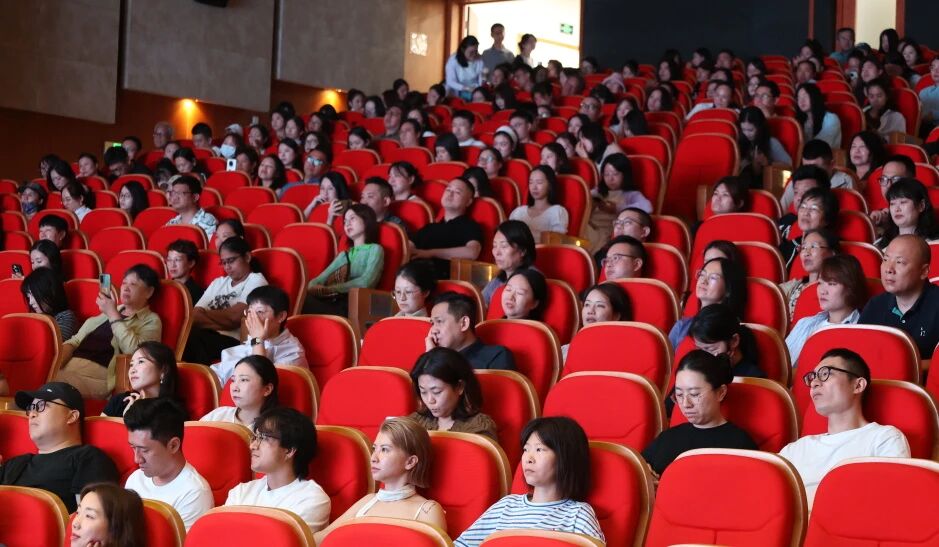
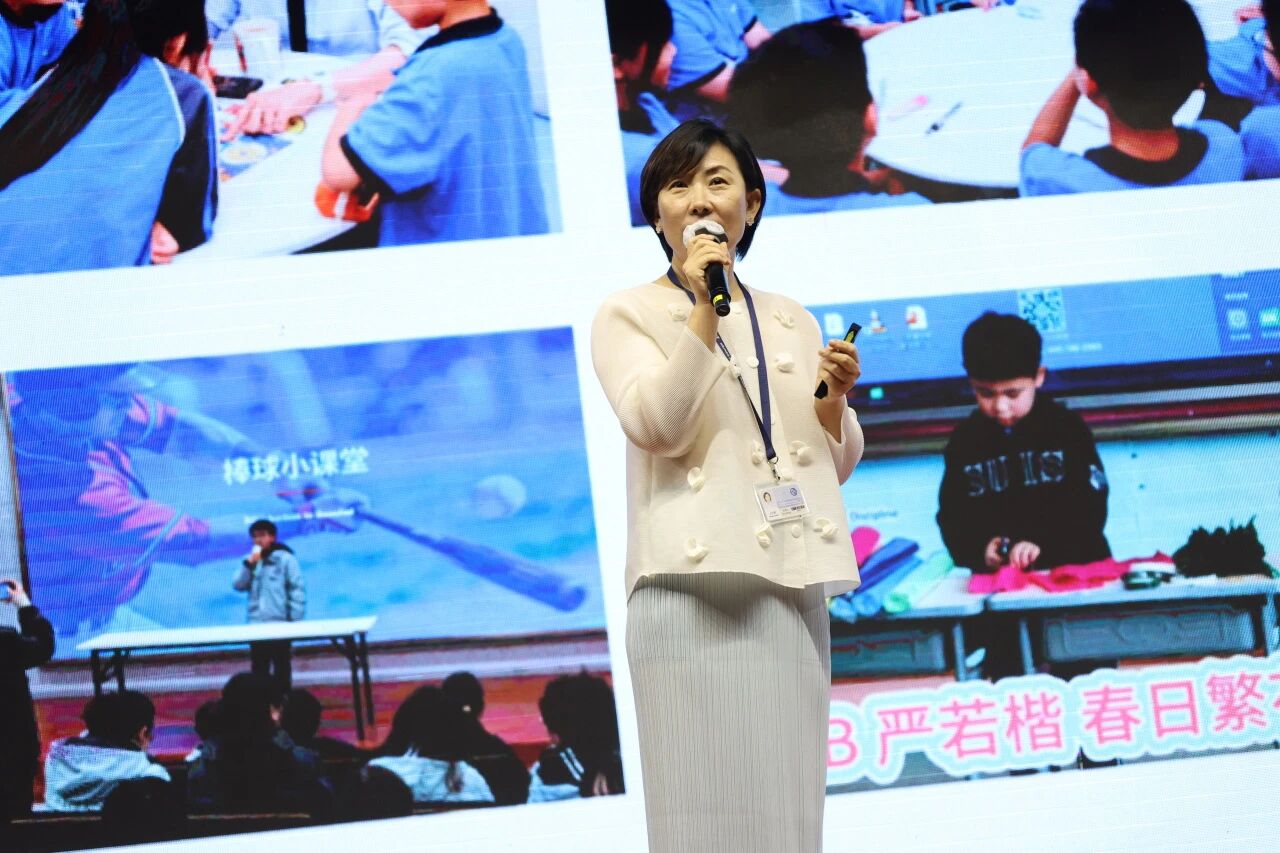
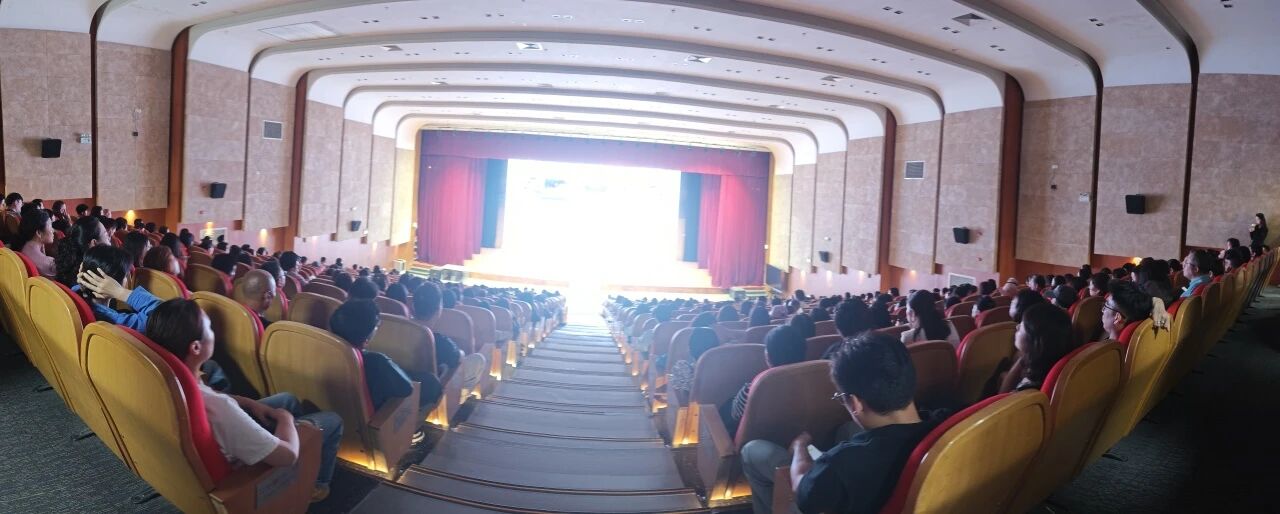 Vice Principal Ms. Ella Zhang then reflected on the past year and shared the Primary School’s priorities for the year ahead.
“Being seen” has become an important part of life at WUIS.
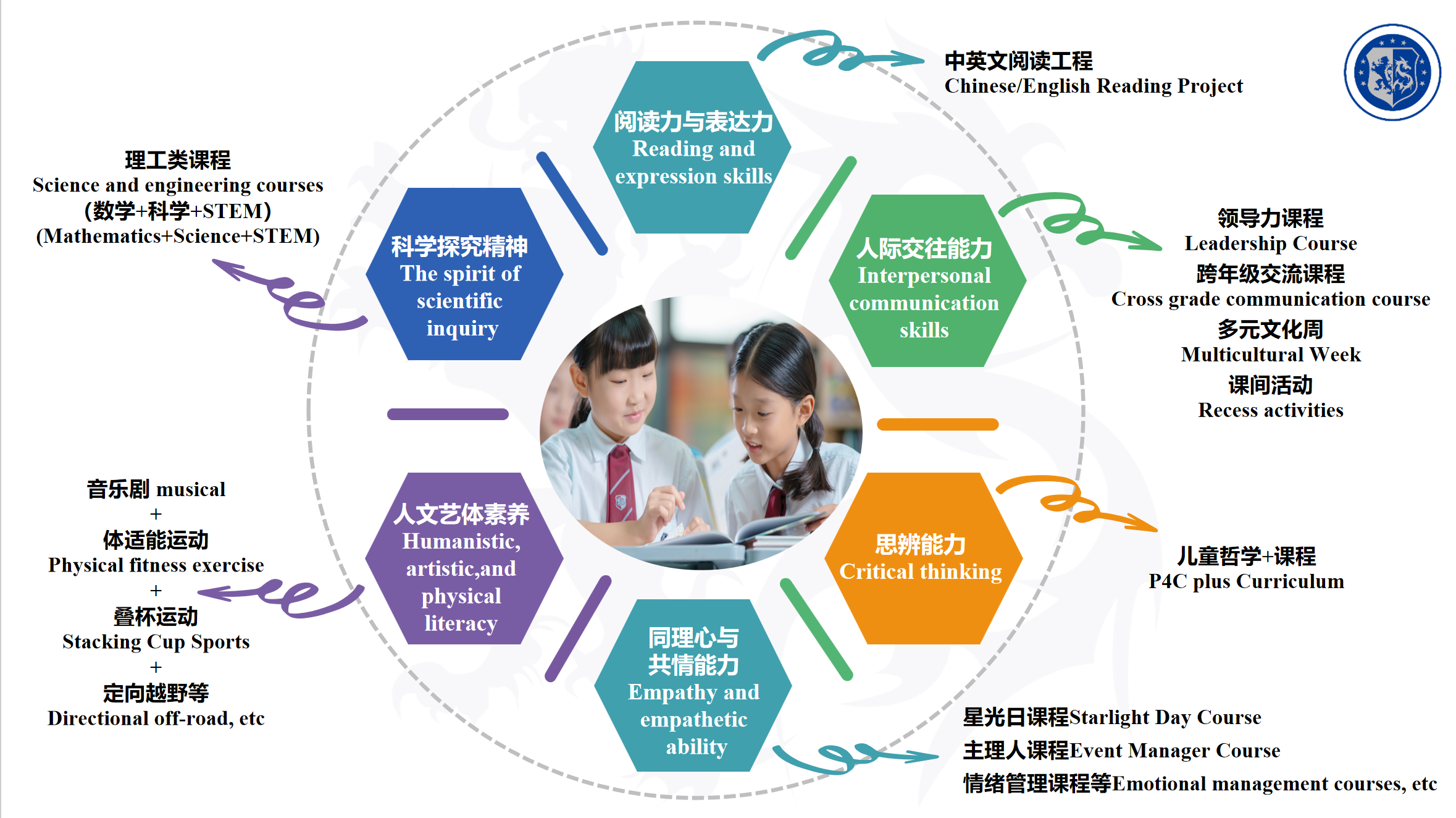
Through the whole-school mentorship programme, every child has a mentor. Through student-led initiatives, children are given more opportunities to take ownership, explore their interests, and develop responsibility.
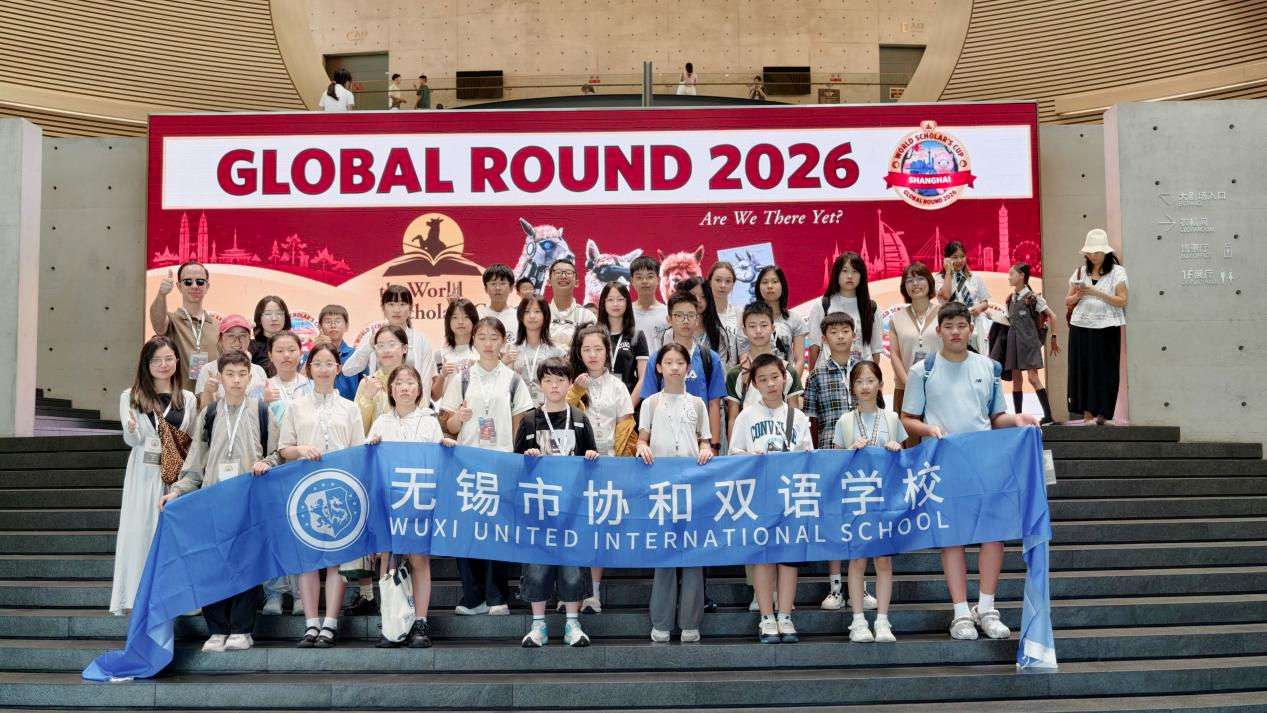
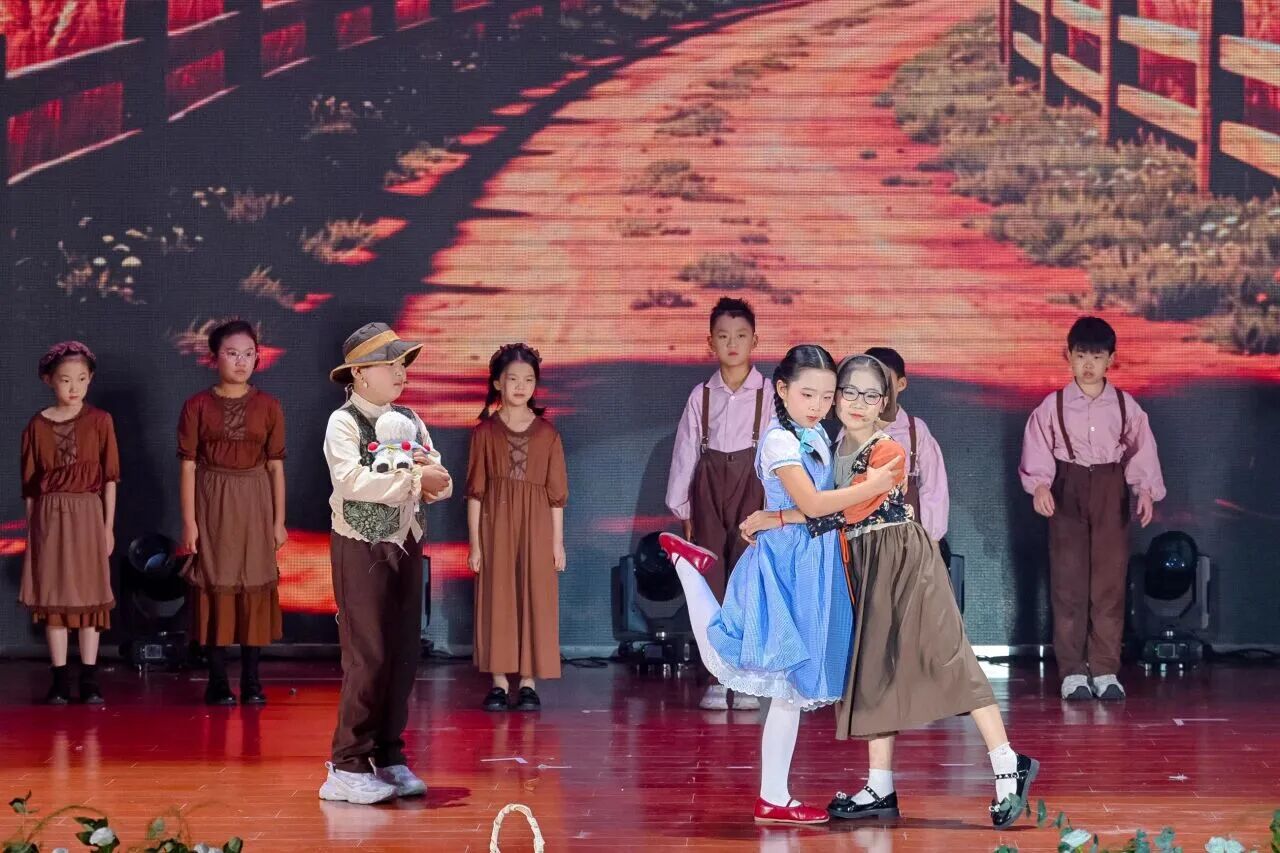
On stage, every student had a role in Grade 3’s The Wizard of Oz and Grade 5’s Charlie and the Chocolate Factory. Beyond campus, Grade 4 and 5 students travelled to Shenzhen and Hong Kong for real-world learning. Across the World Scholar’s Cup and competitions in Mathematics, English, Chinese, Art, Music, and Sports, Primary students received more than 350 awards over the past year.
Behind every number is a child trying, growing, and finding their own way to shine.
Growth also begins in the classroom. From whole-book reading and Mathematics lesson studies to interdisciplinary P4C and English teaching research, our teachers continue to learn, reflect, and refine their practice.

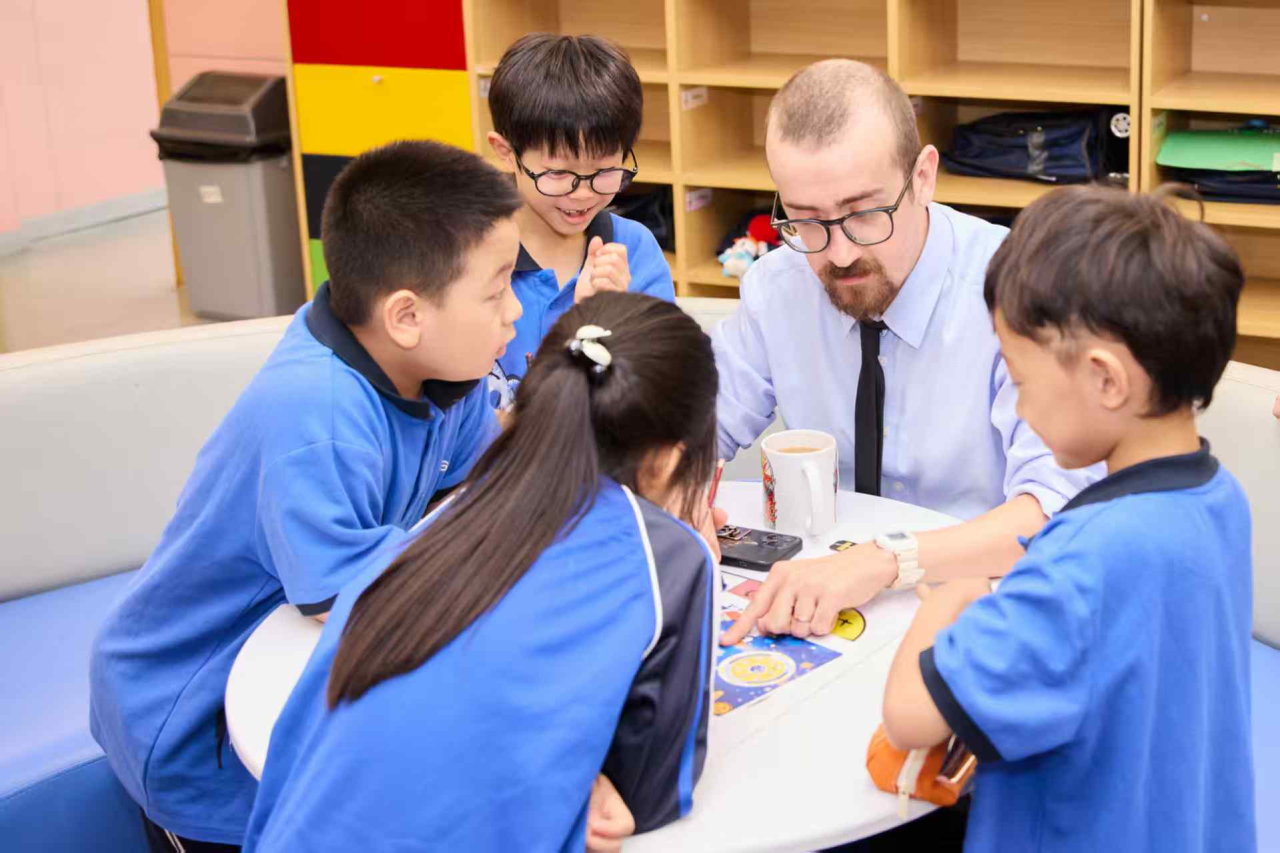
Learning is also becoming more connected to the real world.
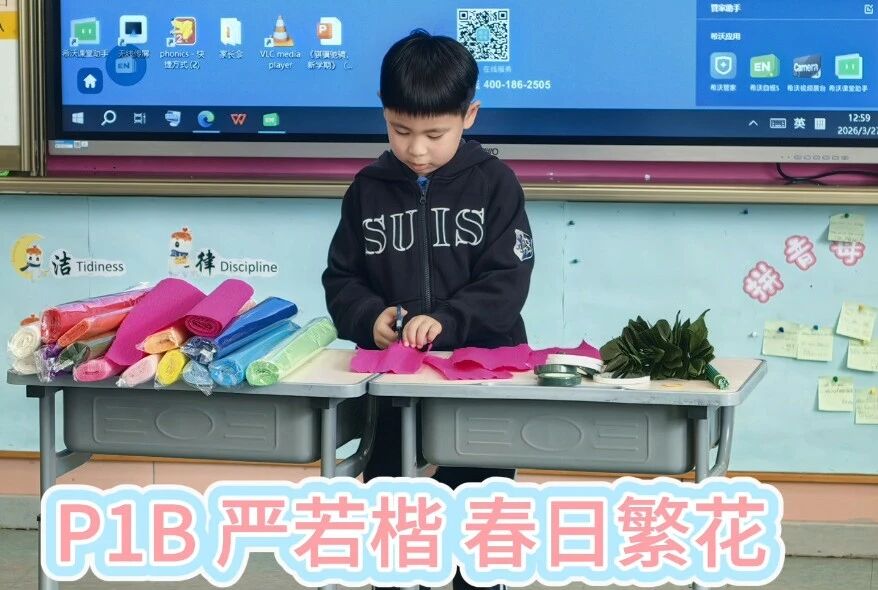
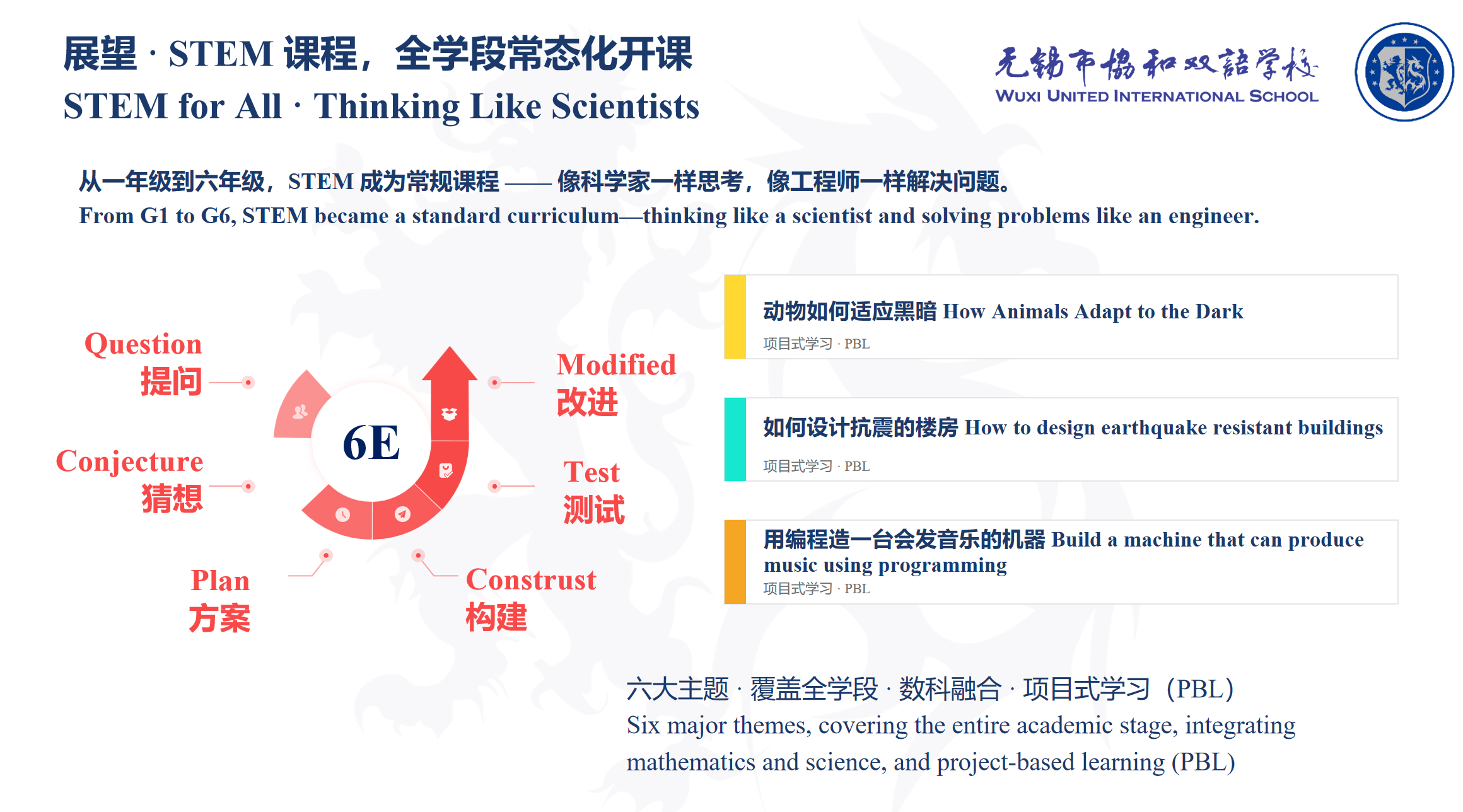
STEM is now part of the regular curriculum from Grade 1 to Grade 6, encouraging students to think like scientists and solve problems like engineers.
The English curriculum is also evolving, with new materials in Grade 1, more interdisciplinary and project-based learning, flexible grouping for Engilsh learning in Grades 5 and 6, and greater collaboration across English courses.
 Today’s children are growing up in a world very different from the one we knew.
They are learning to navigate the virtual and real worlds, balance human connection with human-machine interaction, and keep asking meaningful questions in an age when answers are always within reach.
Ms. Zhang brought these challenges back to one starting point: understand the child first.
That means helping children build healthy boundaries, find joy in sport, music, reading, and real conversation, and learn healthy ways to express their emotions.
It also means helping them distinguish between facts and opinions, and understand that other people’s judgments do not define who they are.
Emotional regulation is not about avoiding difficult feelings. It is about learning to recognise them, live with them, and gradually build inner strength.
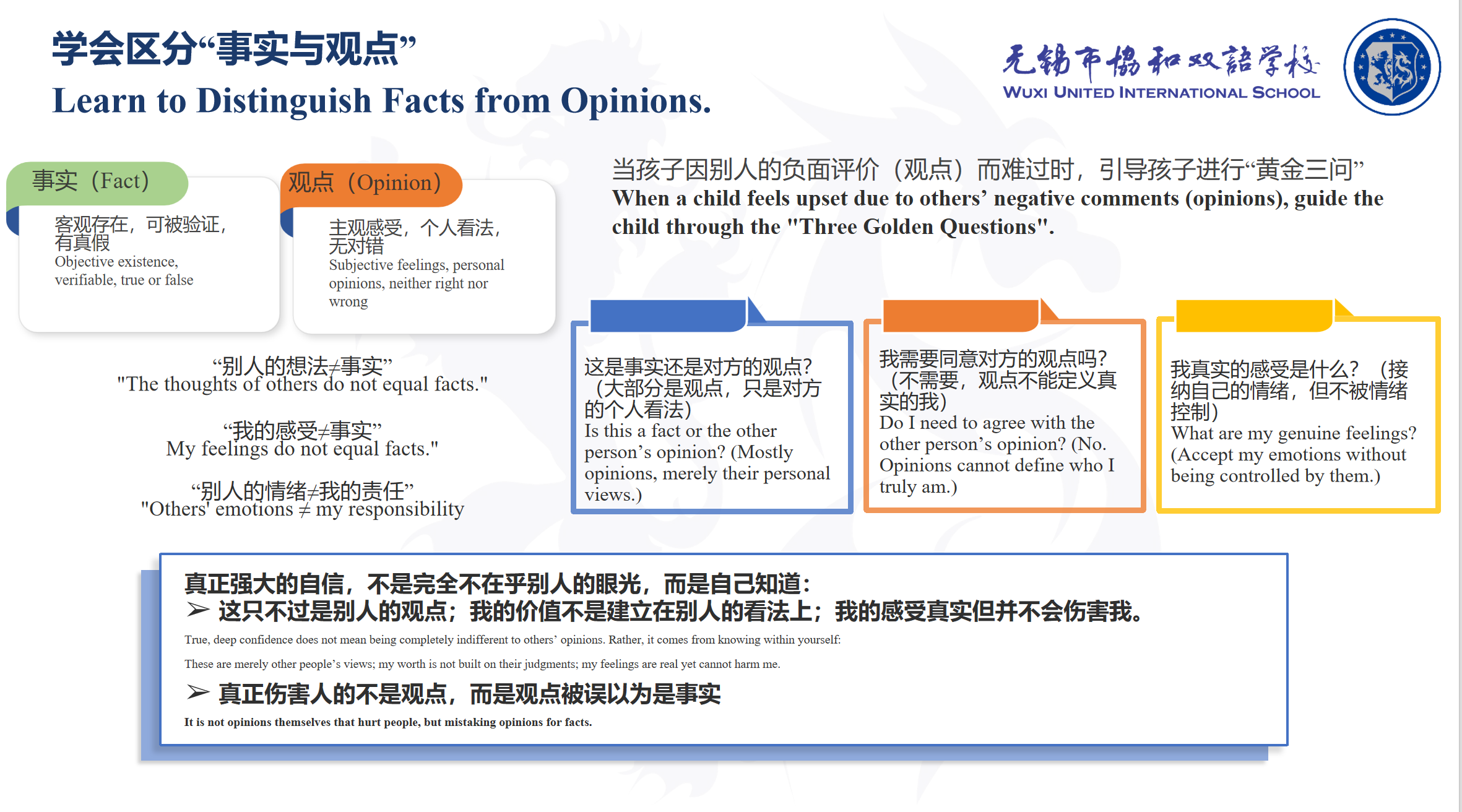 Facing the growth of children, Zhang School also shared three keywords with parents: please accompany, please trust, and please wait.
Accompanying children also allows for real time to be spent with each other. Even for twenty minutes every day, put down your phone and listen carefully to what happened to your child today.
Trust the teacher and trust the child. When encountering problems, communicate and understand more.
I am also willing to wait a little longer. Every child has their own rhythm. Some changes can be seen quickly, while some growth takes longer. Less horizontal comparison, more understanding, let the star that belongs to the child slowly light up on its own orbit.
Subsequently, the sharing of parent representatives brought another perspective from the family to the scene
Many times, parents are used to choosing and solving problems for their children, and the experience of the child actively applying for the “Star Master” shows her that when the school sets up a good stage and there are fewer substitutes from parents, the child will grow courage, initiative, and confidence through experimentation.
At Concord, children have many such opportunities. The school is willing to give space to students, assign real tasks to them, and patiently wait for them to find their own rhythm through repeated attempts. This kind of education allows growth to occur not only in the classroom, but also in every choice, every commitment, and every process of ‘doing it yourself’.
Compared to blindly chasing after grades, the “hardcore strength” of children for the future lies in their ability to think and act boldly, their resilience in the face of setbacks, their confidence in having a bright future, and their good habits and character. Growth has its own pace, schools dare to let go, parents dare to believe, and the rest is left to children and time.
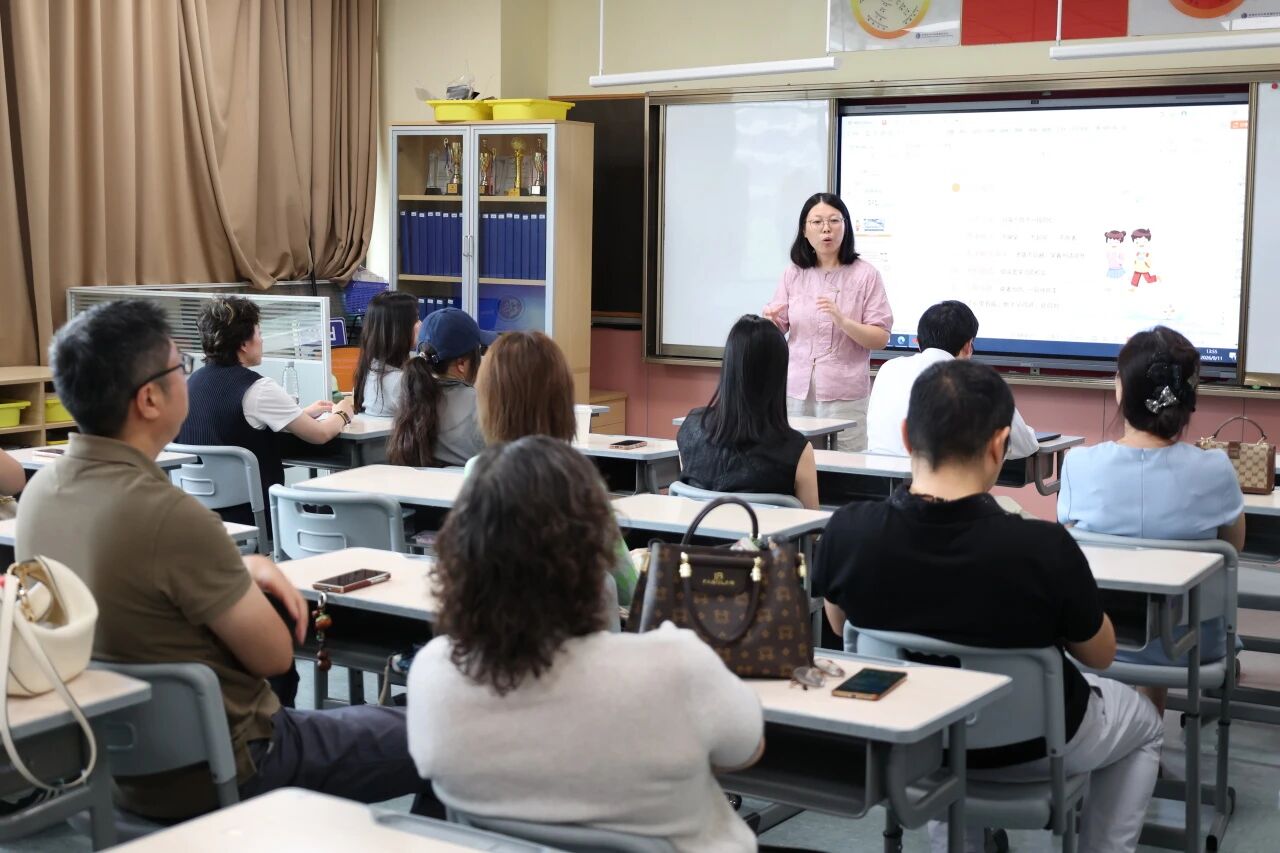
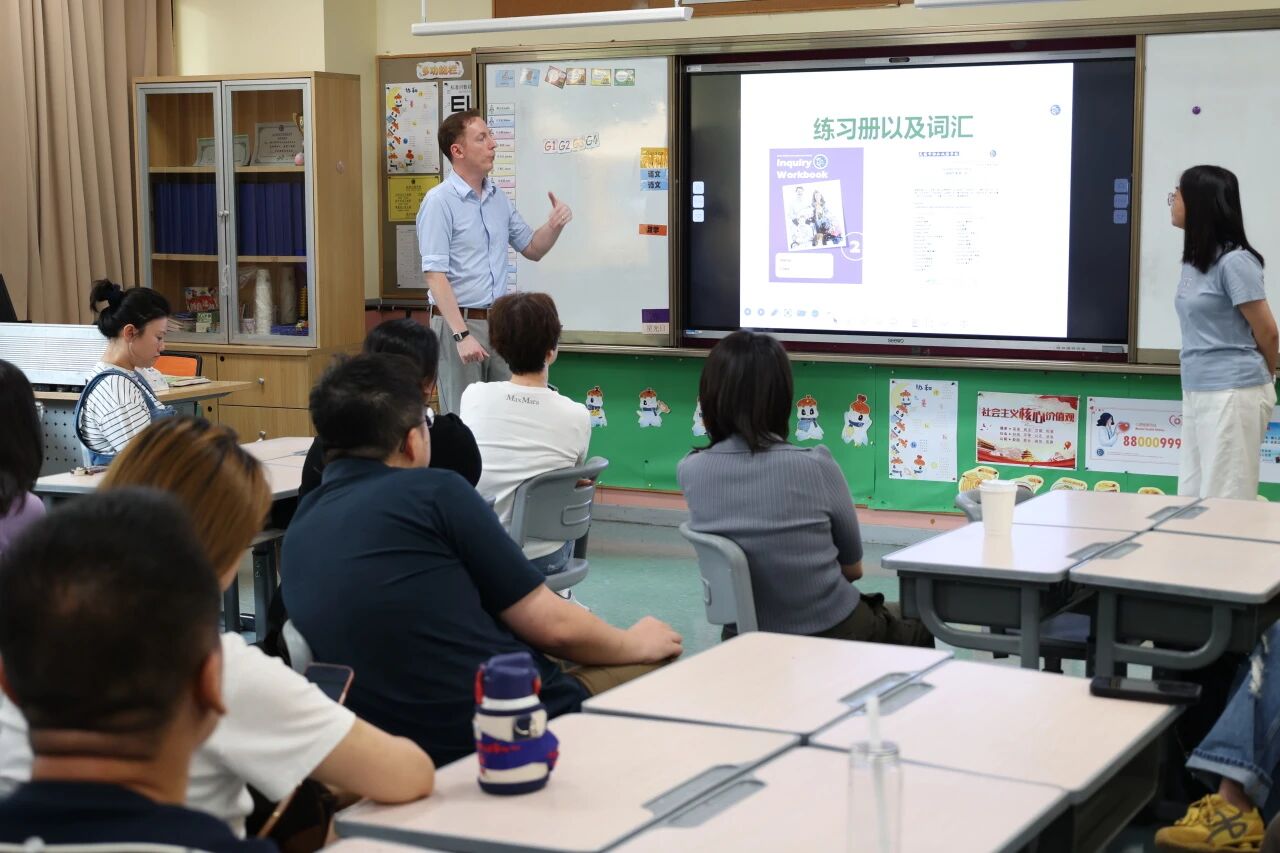
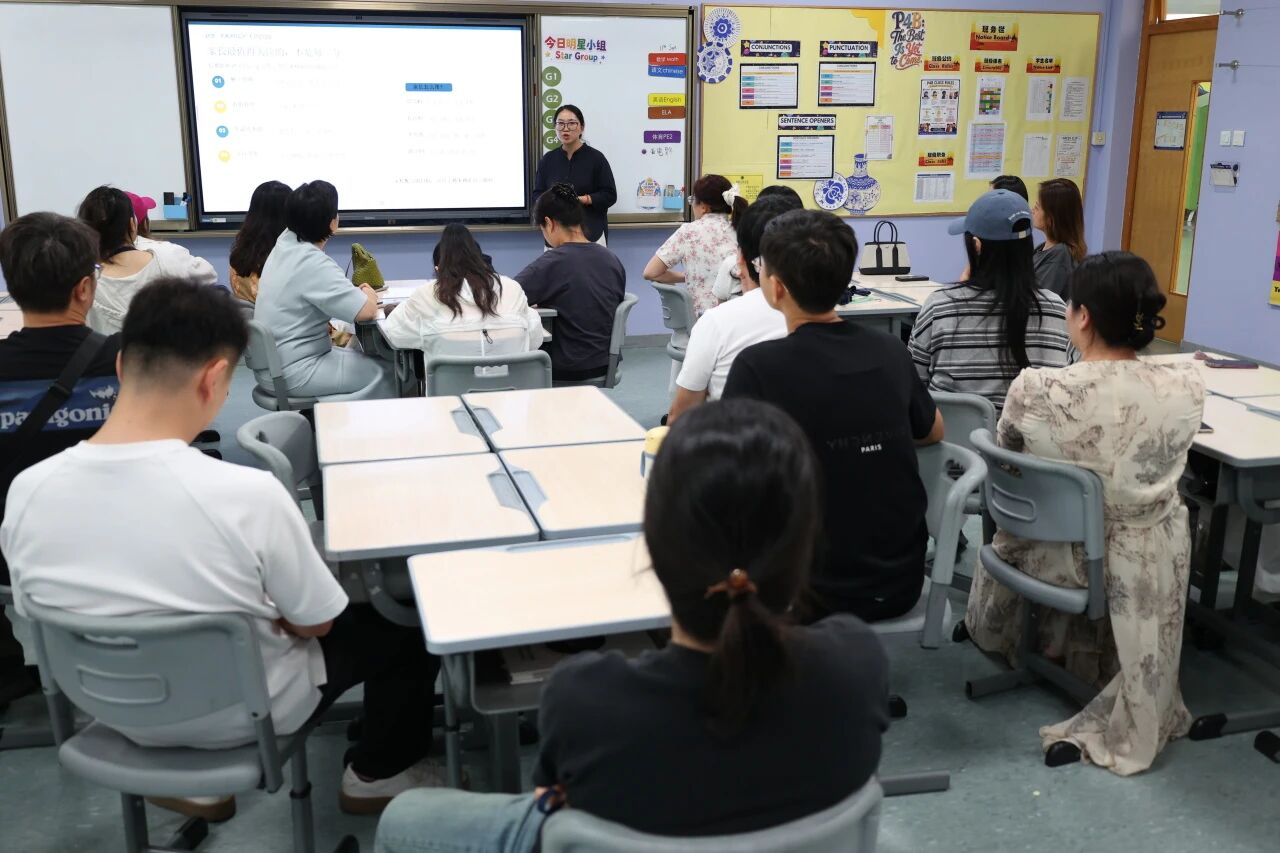
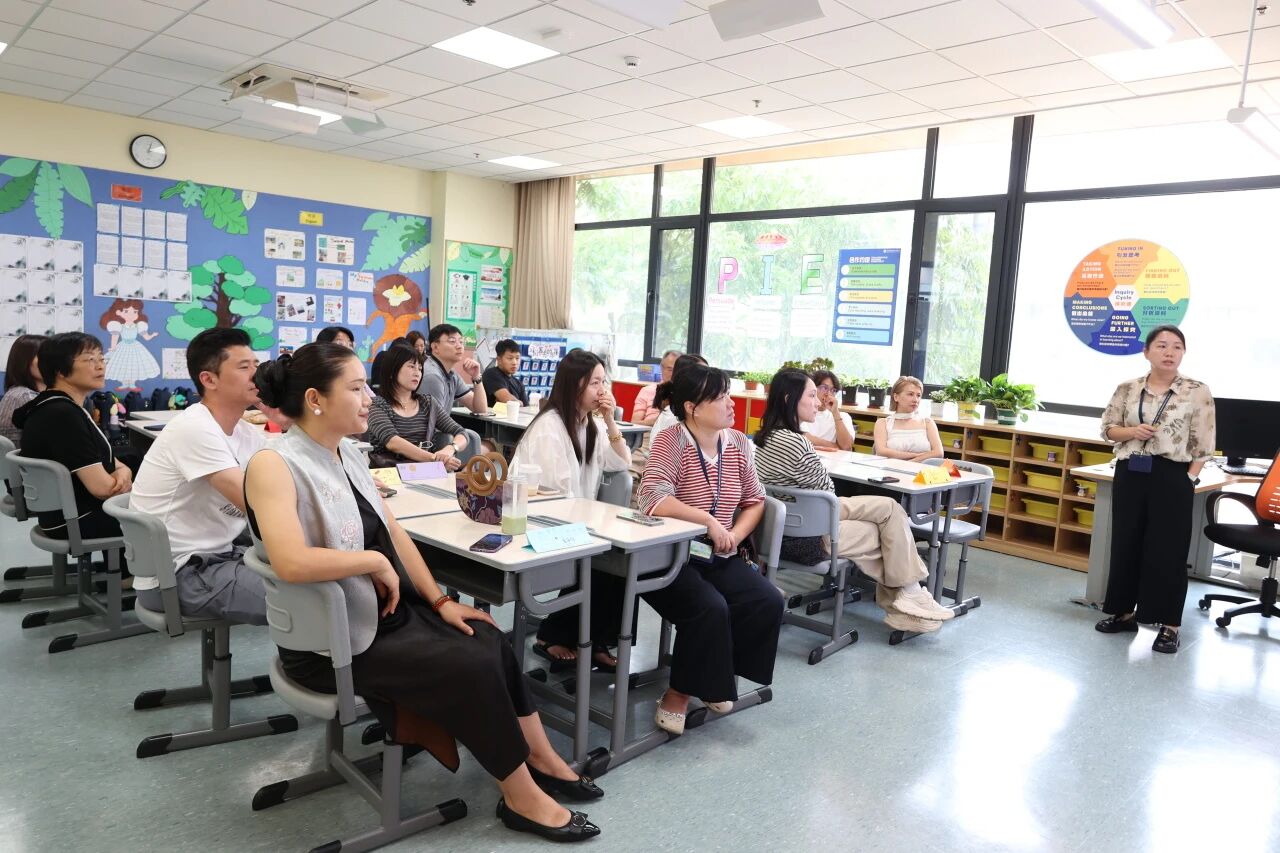
 After the main session, parents moved to individual classrooms, where homeroom and subject teachers shared updates on class life, learning, and the priorities for the semester ahead.
In the theatre, we talked about our shared direction.
In the classroom, we talked about each individual child.
A parent meeting may not answer every question in one afternoon. But it reminds us of something important:
on every child’s journey, school and family are walking together.
May every child find their own path—and their own light.