

In May, the campus of WUIS School sees a vibrant surge of “new sprouts” breaking through the soil. Young teachers with less than three years of experience, fueled by their passion for education and youthful energy, have showcased their pedagogical prowess through a teaching competition. Their efforts have woven a dynamic tapestry of WUIS classrooms where “learning truly comes alive.
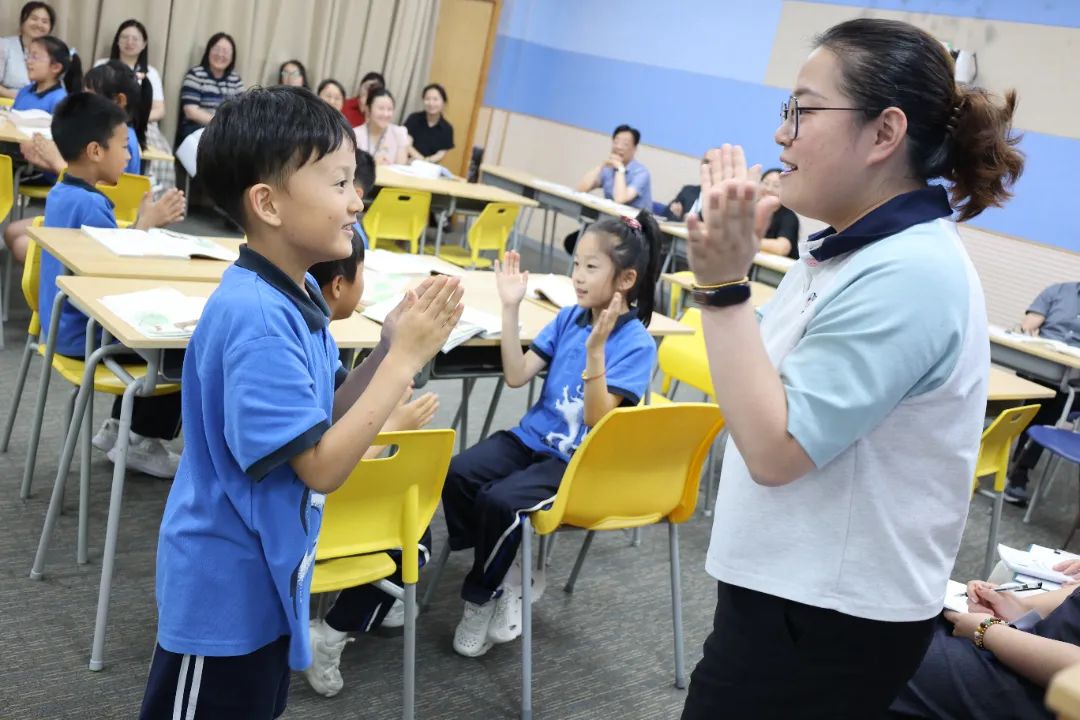
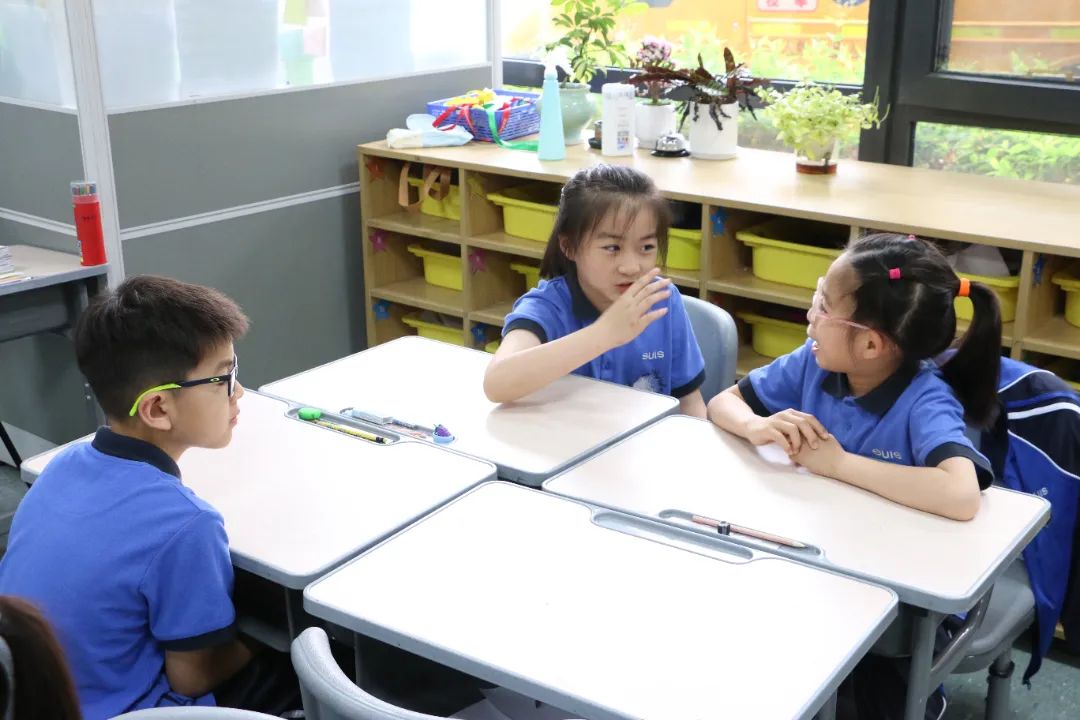
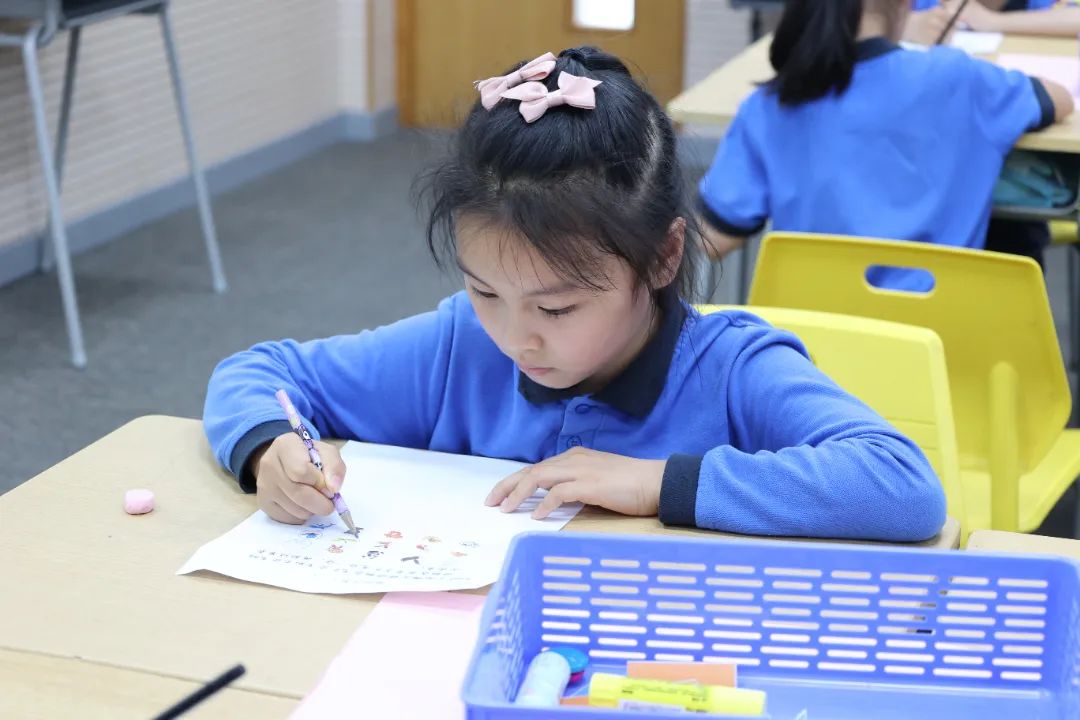
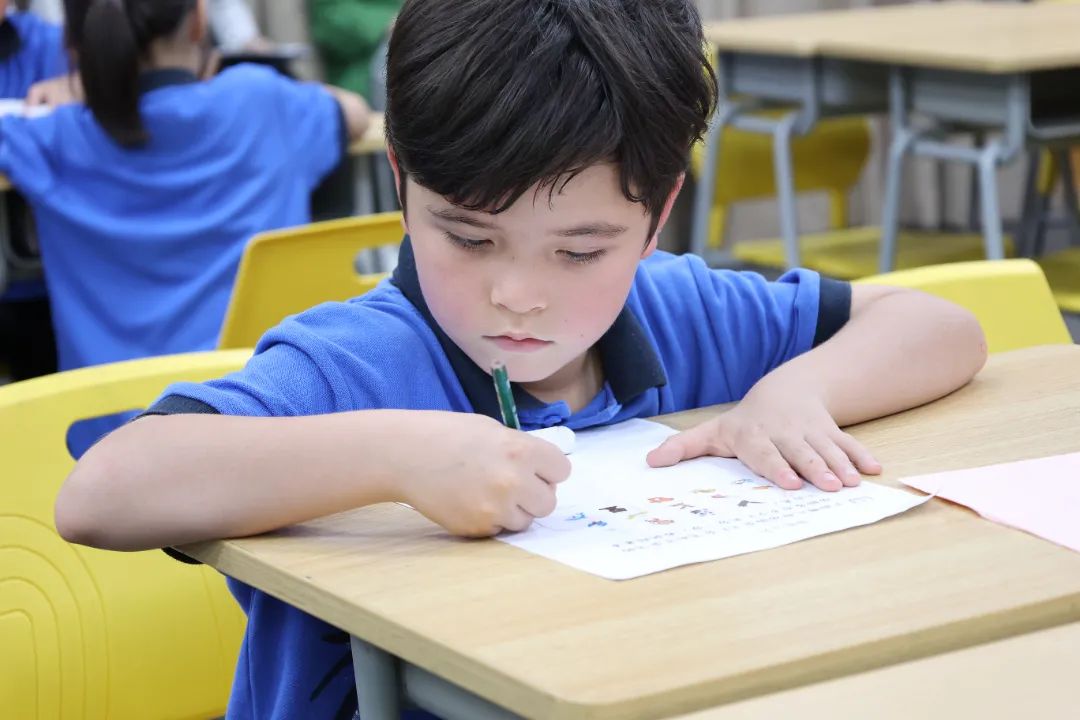

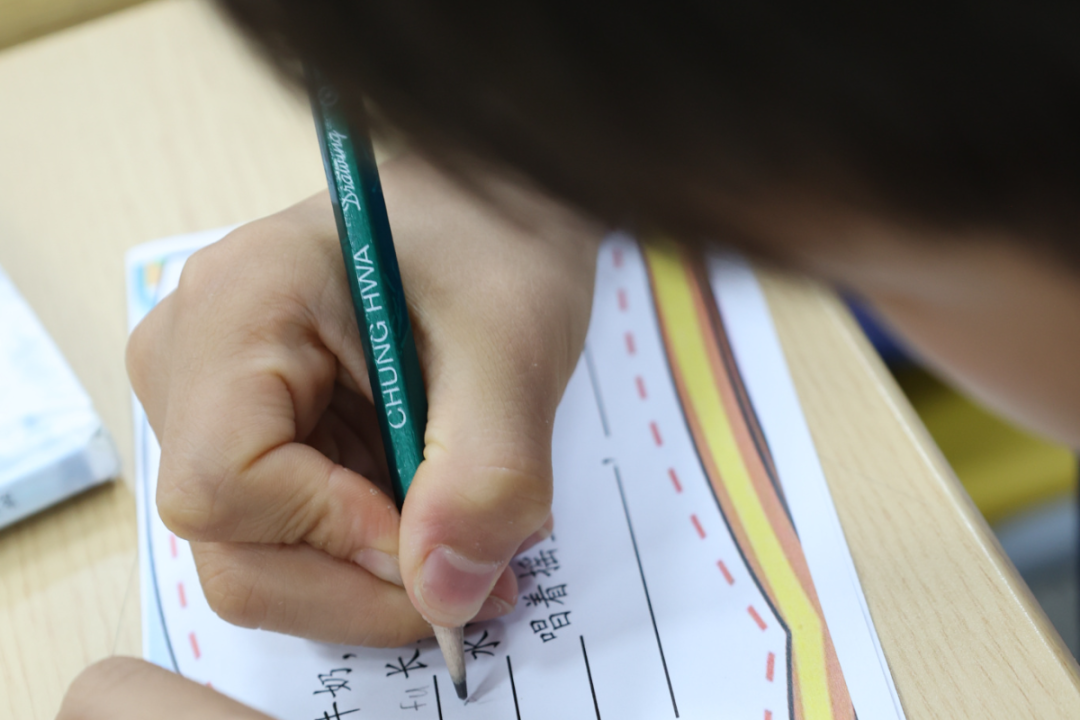

 As AI technology becomes deeply integrated into classroom settings, traditional teaching models and boundaries have been profoundly reshaped,breathing new vitality into education.
In English classes, teachers leverage AI to generate adaptive language scenarios. By immersing students as protagonists in contextual dialogues, these AI-enhanced methods spark sustained learning engagement while establishing tangible bridges between theoretical knowledge and practical application.
In Chinese language classrooms, educators leverage AI-generated photorealistic undersea simulations to deliver multidimensional sensory input. By creating immersive scenarios that align with textual narratives, these technologically enhanced pedagogies strengthen students’ embodied cognition of literary descriptions while stimulating sustained epistemic curiosity.
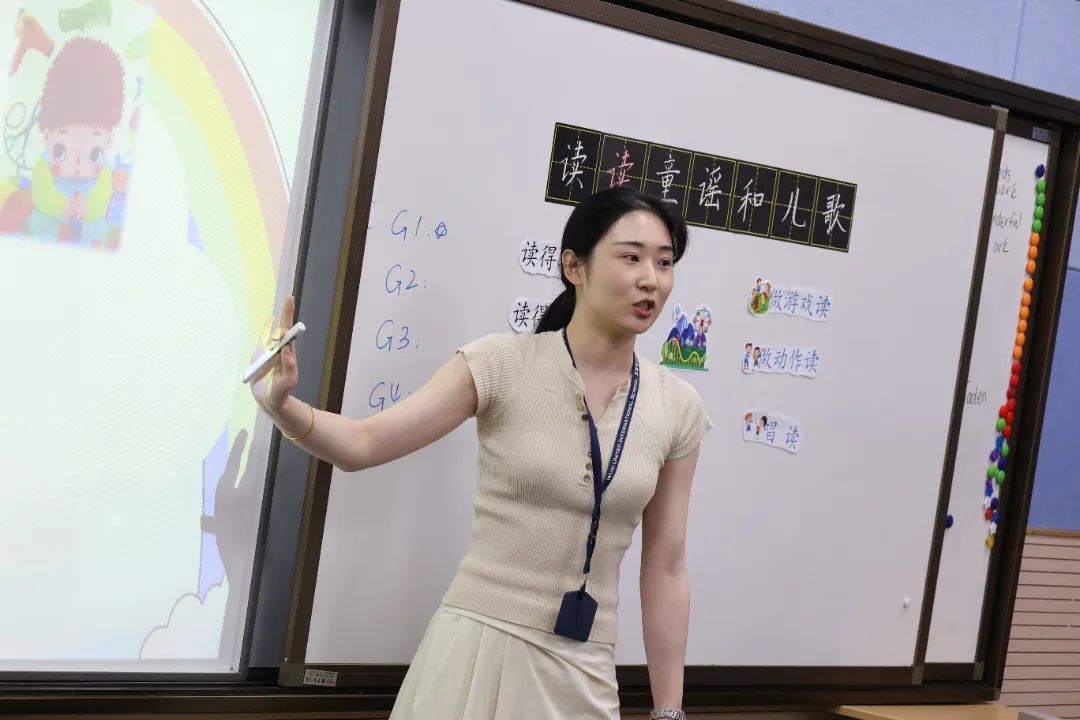


 Through their dynamic pedagogical practices, young educators of WUIS have redefined the axiom “restoring student agency in the classroom,” demonstrating how cognitive ownership flourishes when learning spaces are reimagined as discovery arenas.
Guided by student-centered pedagogical principles, educators orchestrate multifaceted learning modalities encompassing self-directed inquiry, tactile manipulation, and immersive scenario simulations. These consciously architected engagements catalyze profound cognitive immersion, allowing epistemic spontaneity to emerge organically through curiosity-driven exploration and autonomous knowledge construction.
This ‘step back’ by teachers propels students to take center stage. As learners assume epistemic autonomy, their cognitive architectures evolve akin to vernal saplings—each synaptic branching reaching skyward through self-regulated exploration, constructing neural canopies that extend toward ever-expanding intellectual frontiers.
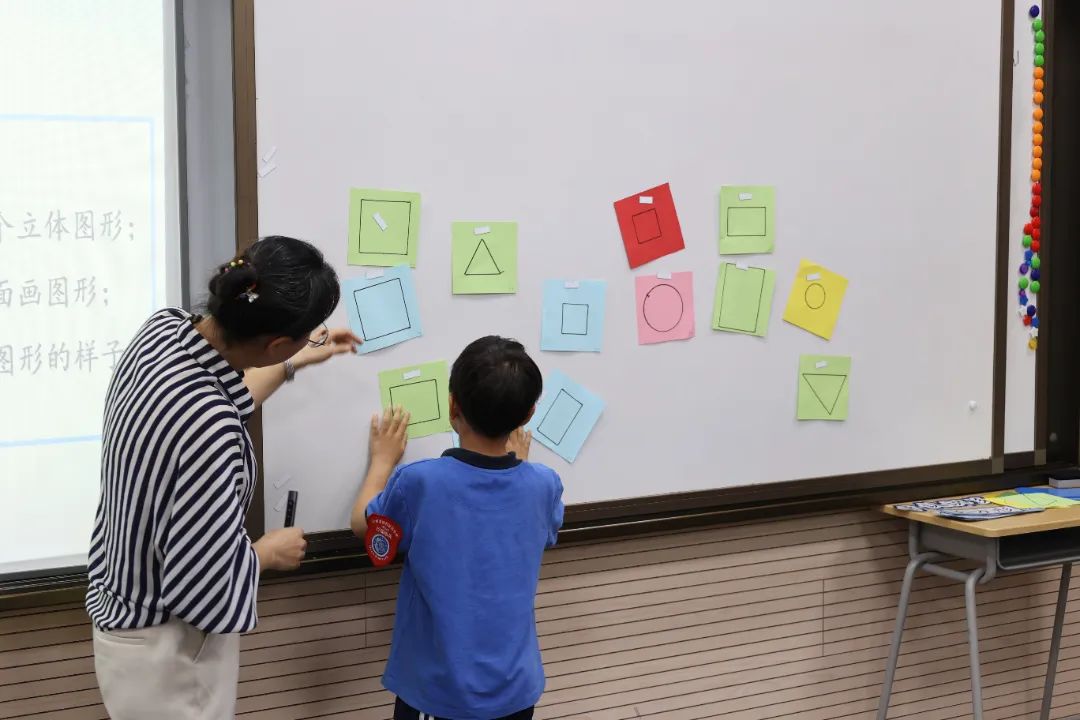


 WUIS classrooms transcend single-subject silos through innovative integration:
PE classes transform into interdisciplinary arenas where mathematical operations, English vocabulary, and Chinese poetry merge with athletic drills, creating dual challenges for body and mind.
“It’s not about patching together but true integration. This approach liberates knowledge from artificial boundaries, fostering creative thinking within expansive cognitive landscapes.


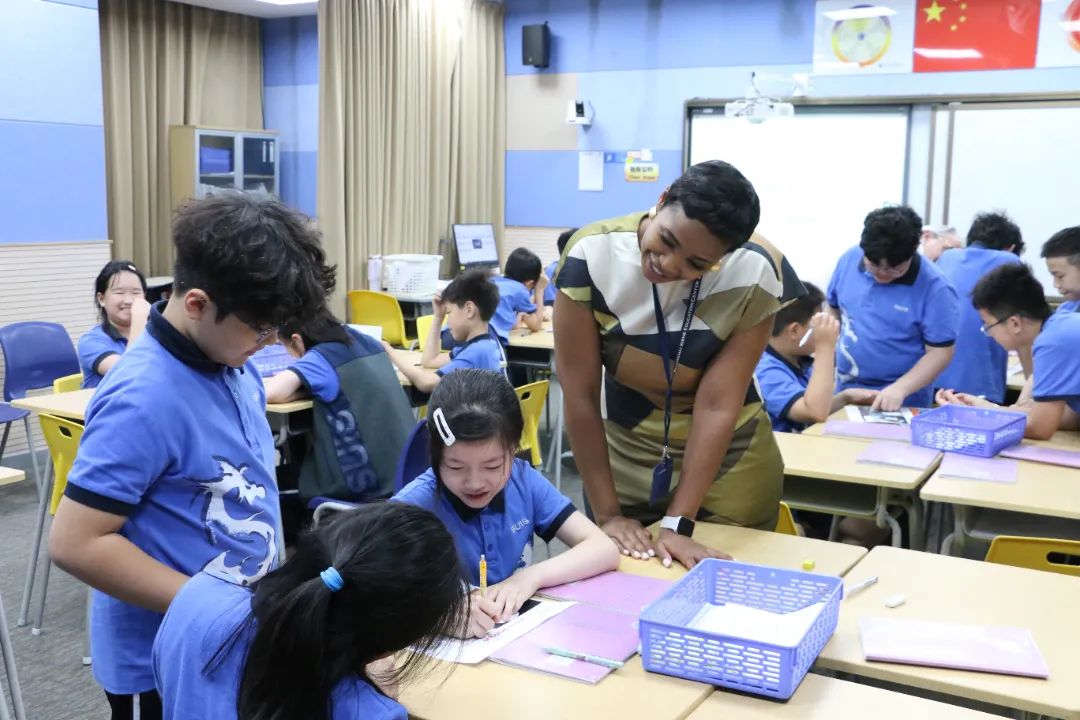


 Expert evaluators recognized distinctive strengths in young educators:
1. Professional mastery: Demonstrating composure and content expertise.
2. Inclusive pedagogy: Cultivating open learning ecosystems through egalitarian dialogue.
3.Metacognitive focus: Transitioning students from knowledge retention (“knowing”) to self-regulated learning (“mastering”).
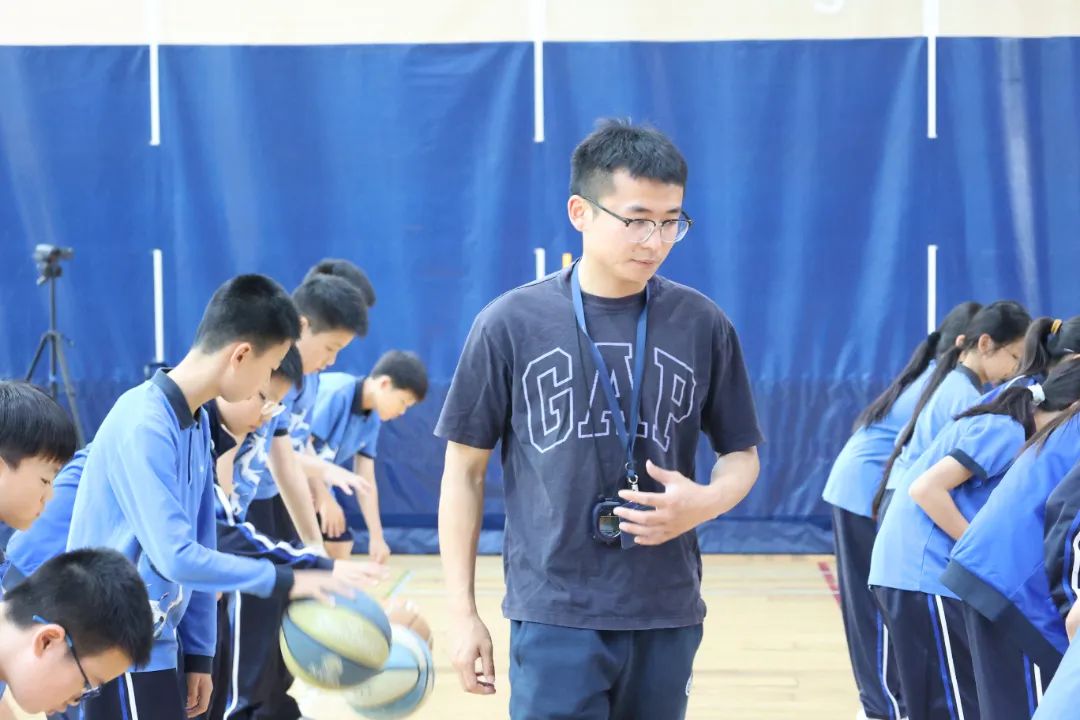
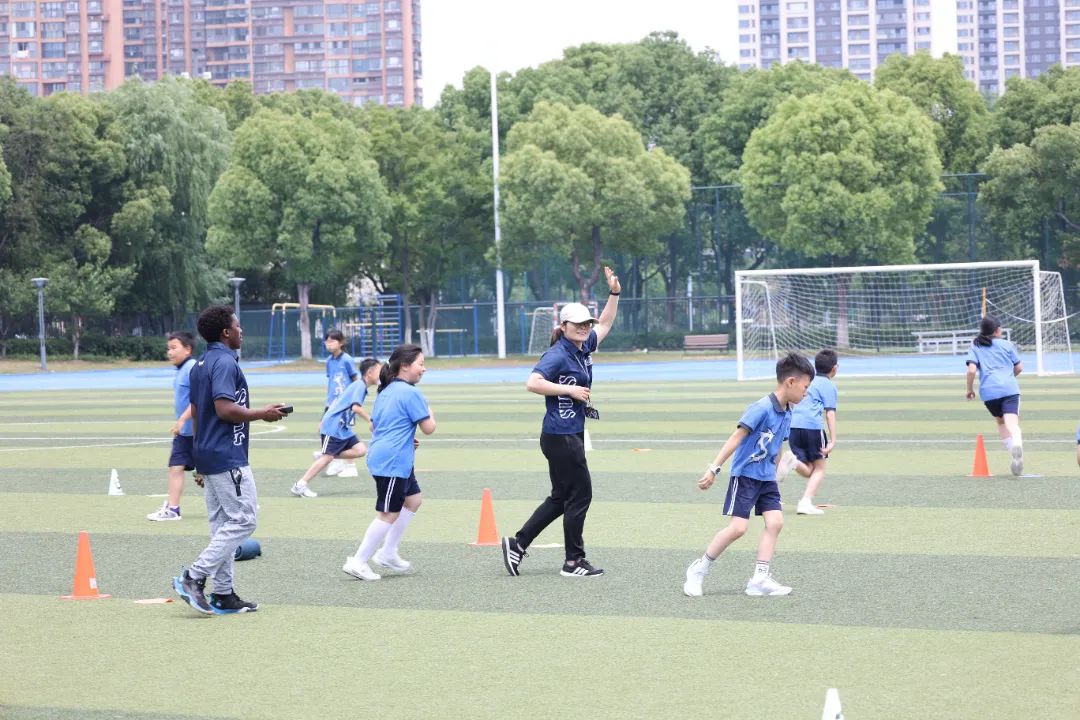
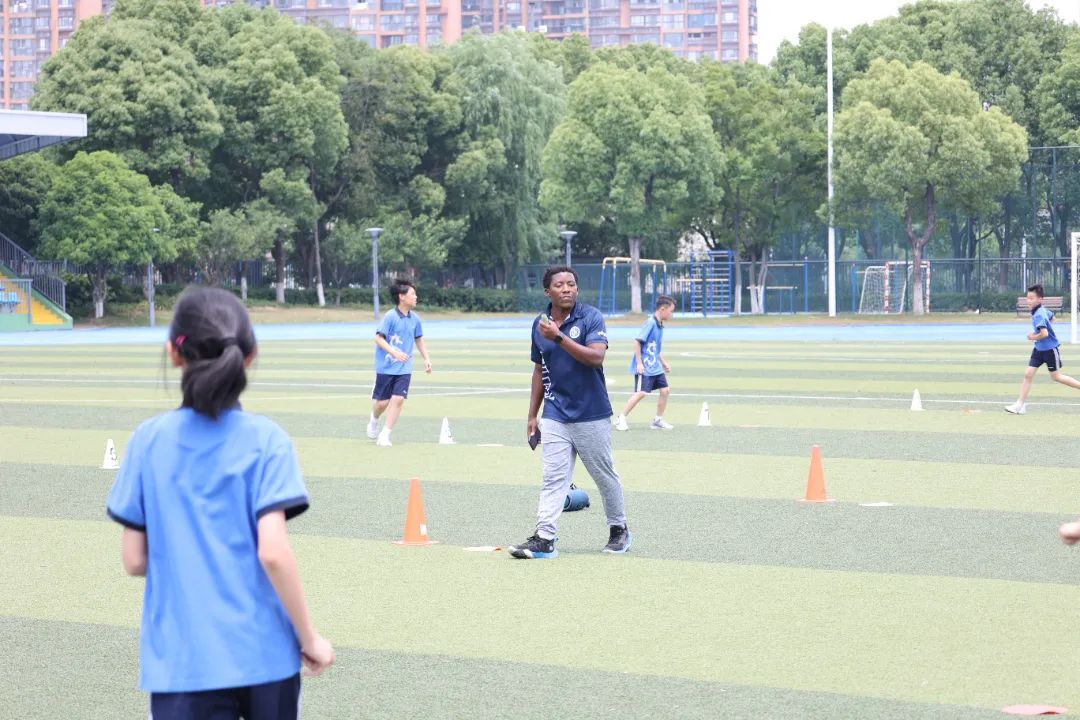
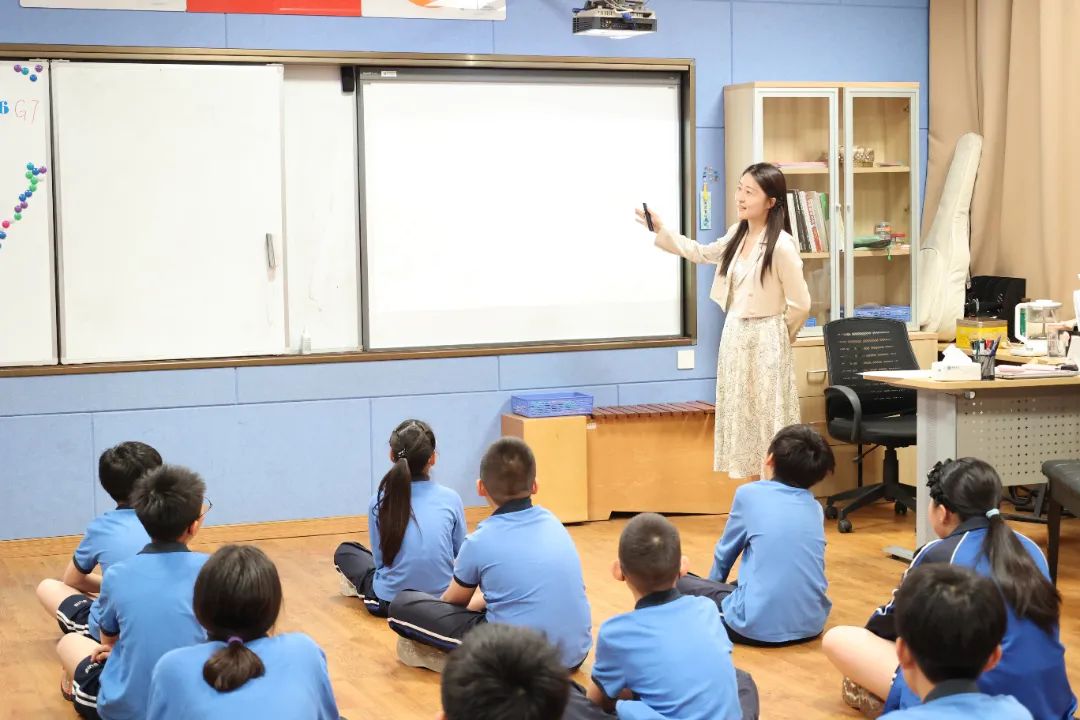


 This teaching competition not only showcased pedagogical excellence but also manifested the Qinglan Project’s transformative outcomes. May educators continue nurturing growth narratives in the fertile ground of holistic education.